The House of Mirth
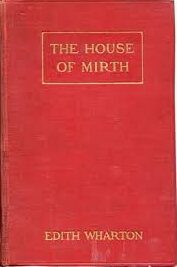
The House of Mirth is a novel by Edith Wharton. It came out in 1905. It won the 20th Century's Greatest Hits: 100 English-Language Books of Fiction.
- Published
- 1905 (1905)
- Written by
- Edith Wharton
- Genre
- comedy of manners
- Country of origin
- United States
All 8 facts, and where they come from
Facts
8 facts · 0 confirmed by two sources · 0 cited · 8 from one source
Where this comes from
Papalocal keeps its own record. It started from these sources; what each one said is kept here as it was copied, so a change on their side never changes this page by itself. Tap one to read its version.
What Wikidata says · copied November 16, 2026 · revision 2535279979
- Described as
- novel by Edith Wharton
- Other names
- House of Mirth
- What it is
- literary work; serialized fiction
- Written by
- Edith Wharton
- Genre
- comedy of manners
- Published
- 1905 (1905)
- Language
- English
- Country of origin
- United States
- Awards
- 20th Century's Greatest Hits: 100 English-Language Books of Fiction · 1 reference
- Wikipedias with a page
- 12
Wikidata item Q6474536 (wikidata.org/wiki/Q6474536), public domain (CC0). Copied 2026-11-16.
What Wikipedia says · copied November 16, 2026 · revision 1385952510
The House of Mirth is a tragedy about Lily Bart, a well-born but penniless young woman belonging to New York City's high society of the 1890s. Written by American author Edith Wharton, it came out October 14, 1905. The House of Mirth traces Lily's slow two-year social descent from privilege to a lonely existence on the margins of society as she fails to marry a man of wealth and status to secure her a place in affluent society. Wharton uses Lily, in critic Shari Benstock's words, as an attack on "an irresponsible, grasping and morally corrupt upper class."
The House of Mirth was serialized in Scribner's Magazine beginning in January 1905 which created great interest in the story. In November 1905, Charles Scribner wrote to Wharton that the novel was showing "the most rapid sale of any book ever published by Scribner." By the end of December, sales had reached 140,000 copies. Wharton's royalties were valued at more than half a million dollars in today's currency. The commercial and critical success of The House of Mirth solidified Wharton's reputation as a major novelist.
Literary reviewers and critics at the time categorized the novel as both a social satire and a novel of manners. Its commercial success allowed critics to classify it as a genre novel. In 2003, Carol Singley describes it as "a unique blend of romance, realism, and naturalism, [thus transcending] the narrow classification of a novel of manners." The House of Mirth continues to attract readers over a century after its first publication because Lily Bart's life and death matters as the existential struggle between "who we are and what society tells us we should be."
The House of Mirth was Wharton's second published novel, preceded by two novellas, The Touchstone (1900) and Sanctuary (1903), and a novel, The Valley of Decision (1902).
From the Wikipedia article “The House of Mirth” (en.wikipedia.org/wiki/The_House_of_Mirth), by its contributors, under CC BY-SA 4.0 (creativecommons.org/licenses/by-sa/4.0/). Copied 2026-11-16; not changed.
Confirmed Two sources agree. Cited One source, and it names where it got it. One source One source, without a reference of its own. Sources disagree The sources disagree. We show the best-supported value and keep theirs below.
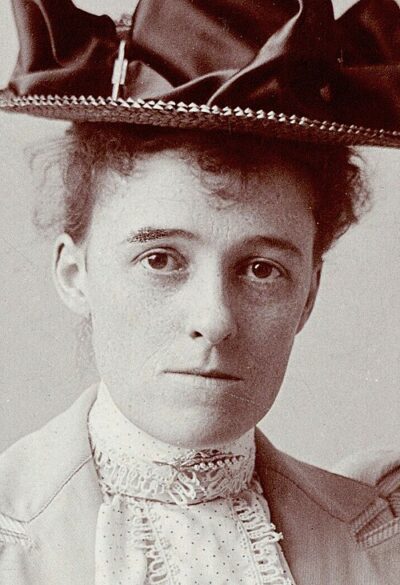
Picture: Edith Wharton, via Wikimedia Commons · Public domain