The Icebergs
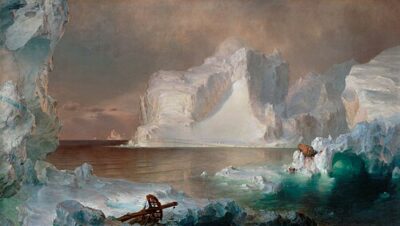
The Icebergs is a painting by Frederic Edwin Church. It came out in 1861.
- Came out
- 1861
- Created by
- Frederic Edwin Church
- Genre
- landscape painting
- Country of origin
- United States
All 10 facts, and where they come from
Facts
10 facts · 0 confirmed by two sources · 5 cited · 5 from one source
Where this comes from
Papalocal keeps its own record. It started from these sources; what each one said is kept here as it was copied, so a change on their side never changes this page by itself. Tap one to read its version.
What Wikidata says · copied November 17, 2026 · revision 2550007748
- Described as
- painting by Frederic Edwin Church
- What it is
- painting · 1 reference
- Created by
- Frederic Edwin Church · 1 reference
- Genre
- landscape painting; marine art
- Country of origin
- United States
- Came out
- 1861 · 1 reference
- Located in
- Texas
- Country
- United States
- Owned by
- Dallas Museum of Art (1979–) · 1 reference; Lamar Hunt (–1979) · 1 reference
- Wikipedias with a page
- 10
Wikidata item Q575573 (wikidata.org/wiki/Q575573), public domain (CC0). Copied 2026-11-17.
What Wikipedia says · copied November 17, 2026 · revision 1371144936
The Icebergs is an 1861 oil painting by the American landscape artist Frederic Edwin Church. It was inspired by his 1859 voyage to the North Atlantic around Newfoundland and Labrador. Considered one of Church's "Great Pictures"—measuring 1.64 by 2.85 metres (5.4 by 9.4 feet)—the painting depicts one or more icebergs in the afternoon light of the Arctic. It was first displayed in New York City in 1861, where visitors paid 25 cents' admittance to the one-painting show. Similar exhibitions in Boston and London followed. The unconventional landscape of ice, water, and sky generally drew praise, but the American Civil War, which began the same year, lessened critical and popular interest in New York City's cultural events.
The painting became popular within Church's oeuvre and inspired other landscape artists' interest in the Arctic, but its apparent lack of narrative or allegory perplexed some viewers. Between exhibitions in the US and England, Church added the ship mast to the painting, and retitled the work from its original The North. He eventually sold the painting in England, where it disappeared from the art-world's awareness after the buyer's death in 1901. In 1979, the painting, which a number of New York City galleries were now hunting, was rediscovered in a home in Manchester, England, where it had remained for most of the intervening 78 years. It was soon put to auction in New York City, drawing significant interest as its sale coincided with renewed critical interest in Church, who had been largely forgotten in the 20th century. The Icebergs was auctioned for US$2.5 million, the most of any American painting to that point. The buyers, later identified as businessman Lamar Hunt and his wife Norma, donated the canvas to the Dallas Museum of Art, where it remains today.
From the Wikipedia article “The Icebergs” (en.wikipedia.org/wiki/The_Icebergs), by its contributors, under CC BY-SA 4.0 (creativecommons.org/licenses/by-sa/4.0/). Copied 2026-11-17; not changed.
Confirmed Two sources agree. Cited One source, and it names where it got it. One source One source, without a reference of its own. Sources disagree The sources disagree. We show the best-supported value and keep theirs below.
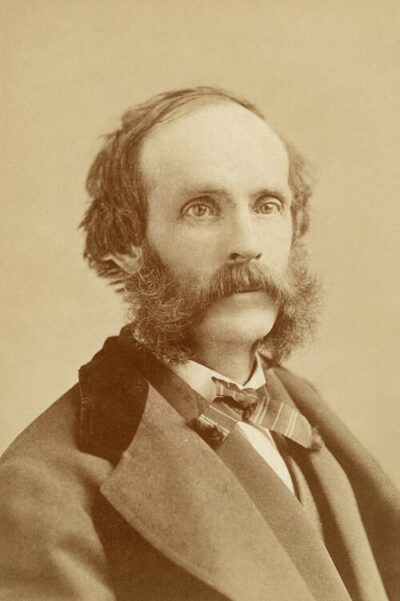
Picture: Frederic Edwin Church, via Wikimedia Commons · Public domain