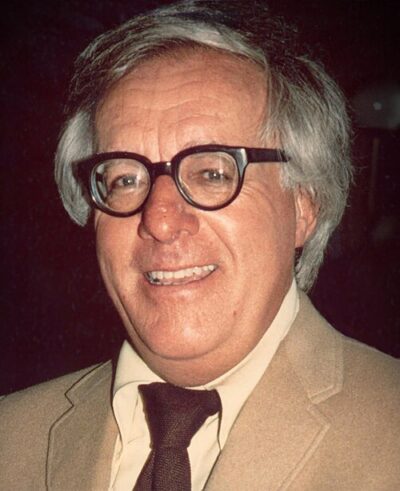
The Illustrated Man
The Illustrated Man is a 1951 short story collection by Ray Bradbury. It won the NPR Top 100 Science Fiction and Fantasy Books.
- Published
- 1951
- Came out
- 1946
- Written by
- Ray Bradbury
- Genre
- science fiction
- Country of origin
- United States
All 9 facts, and where they come from
Facts
9 facts · 0 confirmed by two sources · 0 cited · 9 from one source
Where this comes from
Papalocal keeps its own record. It started from these sources; what each one said is kept here as it was copied, so a change on their side never changes this page by itself. Tap one to read its version.
What Wikidata says · copied November 16, 2026 · revision 2568620268
- Described as
- 1951 short story collection by Ray Bradbury
- What it is
- literary work
- Written by
- Ray Bradbury
- Publisher
- Doubleday
- Genre
- science fiction
- Published
- 1951
- Language
- English
- Country of origin
- United States
- Came out
- 1946
- Awards
- NPR Top 100 Science Fiction and Fantasy Books
- Wikipedias with a page
- 16
Wikidata item Q1756055 (wikidata.org/wiki/Q1756055), public domain (CC0). Copied 2026-11-16.
What Wikipedia says · copied November 16, 2026 · revision 1384221198
The Illustrated Man is a 1951 collection of 18 science fiction short stories by American writer Ray Bradbury. A recurring theme throughout the stories is the conflict of the cold mechanics of technology and the psychology of people. It was nominated for the International Fantasy Award in 1952.
The unrelated stories are tied together by the frame story of "The Illustrated Man", a vagrant former member of a carnival freak show with an extensively tattooed body whom the unnamed narrator meets. The man's tattoos, allegedly created by a time-traveling woman, are individually animated, and each tells a different tale.
The novel is a fix-up: all but one of the stories had been published previously elsewhere, although Bradbury revised some of the texts for the book's publication.
The book was made into the 1969 film, The Illustrated Man, starring Rod Steiger and Claire Bloom. It presents adaptations of the stories "The Veldt", "The Long Rain" and "The Last Night of the World".
Some of the stories, including "The Veldt", "The Fox and the Forest" (as "To the Future"), "Marionettes, Inc.", and "Zero Hour" were also dramatized for the 1955–1957 radio series X Minus One. "The Veldt", "The Concrete Mixer", "The Long Rain", "Zero Hour", and "Marionettes Inc." were adapted for The Ray Bradbury Theater television series. "The Fox and the Forest" was adapted by Terry Nation for the 1965 BBC television series Out of the Unknown.
From the Wikipedia article “The Illustrated Man” (en.wikipedia.org/wiki/The_Illustrated_Man), by its contributors, under CC BY-SA 4.0 (creativecommons.org/licenses/by-sa/4.0/). Copied 2026-11-16; not changed.
Confirmed Two sources agree. Cited One source, and it names where it got it. One source One source, without a reference of its own. Sources disagree The sources disagree. We show the best-supported value and keep theirs below.
Picture: Wikimedia Commons: The Illustrated Man (1951) 1st edition front cover.jpg · See Commons file page