The Jazztet
The Jazztet is an American musical group. It was founded in 1959.
- Founded
- 1959
- Genre
- jazz
- Country of origin
- United States
All 4 facts, and where they come from
Facts
4 facts · 0 confirmed by two sources · 0 cited · 4 from one source
Where this comes from
Papalocal keeps its own record. It started from these sources; what each one said is kept here as it was copied, so a change on their side never changes this page by itself. Tap one to read its version.
What Wikidata says · copied November 17, 2026 · revision 2563867880
- Described as
- American musical group
- What it is
- musical group
- Genre
- jazz
- Country of origin
- United States
- Founded
- 1959
- Wikipedias with a page
- 2
Wikidata item Q16849865 (wikidata.org/wiki/Q16849865), public domain (CC0). Copied 2026-11-17.
What Wikipedia says · copied November 17, 2026 · revision 1353344303
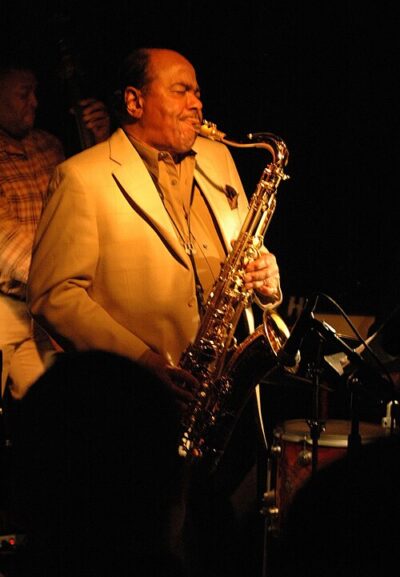
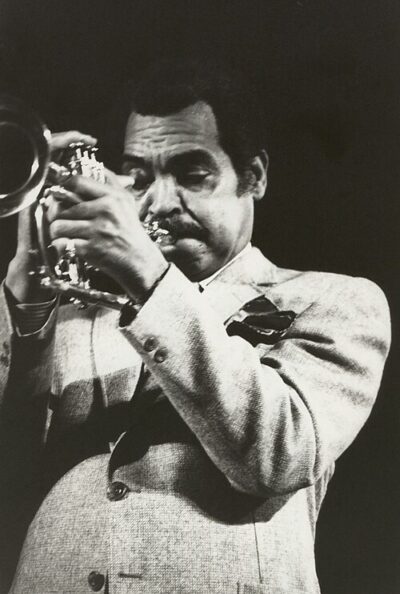
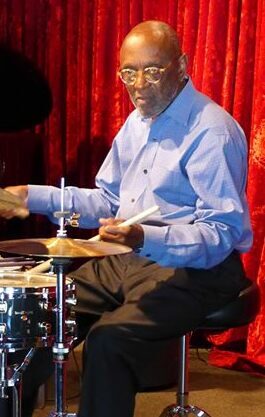
The Jazztet was a jazz sextet, co-founded in 1959 by trumpeter Art Farmer and tenor saxophonist Benny Golson, always featuring the founders along with a trombonist and a piano-bass-drums rhythm section. In its first phase, the Jazztet lasted until 1962, and helped to launch the careers of pianist McCoy Tyner and trombonist Grachan Moncur III. Farmer and Golson revived the group in 1982 and it again toured extensively. Each generation of the group recorded six albums, which were released on a variety of labels.
The Jazztet was "famous for nicely structured, precise yet soulful pieces and a swinging style". It benefitted from having a set of strong compositions by Golson, including "I Remember Clifford", "Whisper Not", "Blues March", "Killer Joe" and "Five Spot After Dark". While Golson also provided many of the arrangements, Farmer took the largest share of the soloing responsibilities.
From the Wikipedia article “The Jazztet” (en.wikipedia.org/wiki/The_Jazztet), by its contributors, under CC BY-SA 4.0 (creativecommons.org/licenses/by-sa/4.0/). Copied 2026-11-17; not changed.
Confirmed Two sources agree. Cited One source, and it names where it got it. One source One source, without a reference of its own. Sources disagree The sources disagree. We show the best-supported value and keep theirs below.