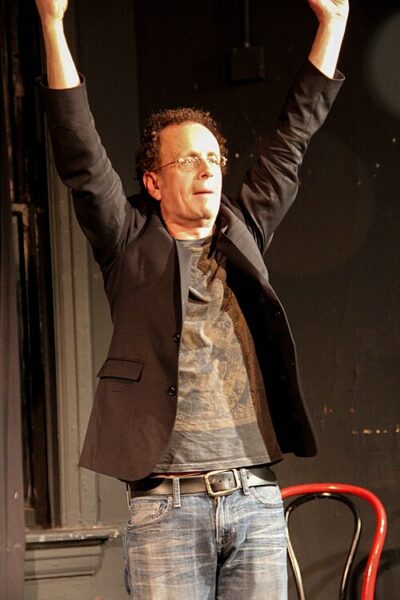
The Kids in the Hall
The Kids in the Hall is a Canadian sketch comedy troupe. It was founded in 1984.
- Founded
- 1984
- Country
- Canada
All 6 facts, and where they come from
Facts
6 facts · 0 confirmed by two sources · 0 cited · 6 from one source
Where this comes from
Papalocal keeps its own record. It started from these sources; what each one said is kept here as it was copied, so a change on their side never changes this page by itself. Tap one to read its version.
What Wikidata says · copied November 16, 2026 · revision 2451636148
- Described as
- Canadian sketch comedy troupe
- Other names
- Kids in the Hall
- What it is
- comedy troupe; theatre troupe
- Genre
- sketch comedy
- Founded
- 1984
- Country
- Canada
- Official website
- http://www.kidsinthehall.ca · 1 reference
- Wikipedias with a page
- 3
Wikidata item Q64995229 (wikidata.org/wiki/Q64995229), public domain (CC0). Copied 2026-11-16.
What Wikipedia says · copied November 16, 2026 · revision 1378557506
The Kids in the Hall is a Canadian sketch comedy troupe formed in 1984 in Calgary and Toronto, consisting of comedians Dave Foley, Bruce McCulloch, Kevin McDonald, Mark McKinney, and Scott Thompson. Their eponymous television show ran from 1988 to 1995, on CBC, in Canada. It also appeared on CBS, HBO, and Comedy Central in the United States.
The Kids made one film, Brain Candy, which was released in 1996. They reformed for various tours and comedy festivals in 2000. They later reunited for an eight-part miniseries, Death Comes to Town, in January 2010. An eight-episode revival season was released on May 13, 2022, on Amazon Prime Video. Their name came from 1950s TV comedian Sid Caesar, who would attribute a joke that did not go over well (or played worse than expected) to "the kids in the hall", referring to a group of young writers hanging around the studio.
From the Wikipedia article “The Kids in the Hall” (en.wikipedia.org/wiki/The_Kids_in_the_Hall), by its contributors, under CC BY-SA 4.0 (creativecommons.org/licenses/by-sa/4.0/). Copied 2026-11-16; not changed.
Confirmed Two sources agree. Cited One source, and it names where it got it. One source One source, without a reference of its own. Sources disagree The sources disagree. We show the best-supported value and keep theirs below.