The King of Elfland's Daughter
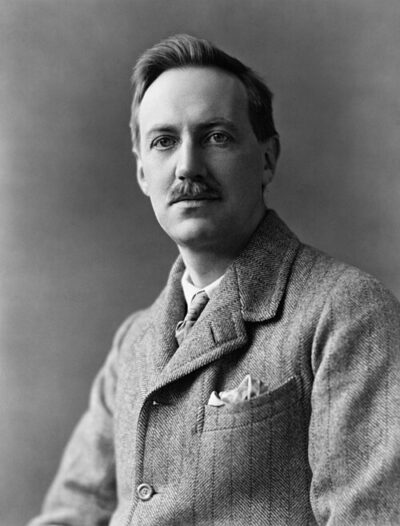
The King of Elfland's Daughter is a novel by Lord Dunsany. It came out in 1924. It was written by Edward Plunkett, 18th Baron of Dunsany.
- Published
- 1924
- Written by
- Edward Plunkett, 18th Baron of Dunsany
- Genre
- fantasy
- Country of origin
- United States
All 7 facts, and where they come from
Facts
7 facts · 0 confirmed by two sources · 1 cited · 6 from one source
Where this comes from
Papalocal keeps its own record. It started from these sources; what each one said is kept here as it was copied, so a change on their side never changes this page by itself. Tap one to read its version.
What Wikidata says · copied November 17, 2026 · revision 2487880571
- Described as
- novel by Lord Dunsany
- What it is
- literary work
- Written by
- Edward Plunkett, 18th Baron of Dunsany · 1 reference
- Publisher
- G. P. Putnam's Sons
- Genre
- fantasy
- Published
- 1924
- Language
- Hiberno-English
- Country of origin
- United States
- Wikipedias with a page
- 10
Wikidata item Q2470392 (wikidata.org/wiki/Q2470392), public domain (CC0). Copied 2026-11-17.
What Wikipedia says · copied November 17, 2026 · revision 1384277950
The King of Elfland's Daughter is a 1924 fantasy novel by Anglo-Irish writer Lord Dunsany. It is widely recognized as one of the most influential and acclaimed works in all of fantasy literature. Although the novel faded into relative obscurity following its initial release, it found new longevity and wider critical acclaim when a paperback edition was released in 1969 as the second volume of the Ballantine Adult Fantasy series.
It has also been included in the more recent Fantasy Masterworks series. While seen as highly influential upon the genre as a whole, the novel was particularly formative in the (later-named) subgenres of fairytale fantasy and high fantasy.
From the Wikipedia article “The King of Elfland's Daughter” (en.wikipedia.org/wiki/The_King_of_Elfland's_Daughter), by its contributors, under CC BY-SA 4.0 (creativecommons.org/licenses/by-sa/4.0/). Copied 2026-11-17; not changed.
Confirmed Two sources agree. Cited One source, and it names where it got it. One source One source, without a reference of its own. Sources disagree The sources disagree. We show the best-supported value and keep theirs below.