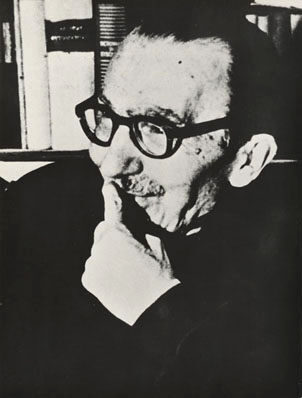
The Last Temptation of Christ
The Last Temptation of Christ is a 1955 historical novel by Nikos Kazantzakis. It came out in 1954.
- Published
- 1954
- Written by
- Nikos Kazantzakis
- Genre
- historical fiction
- Country of origin
- Greece
All 9 facts, and where they come from
Facts
9 facts · 0 confirmed by two sources · 0 cited · 9 from one source
Where this comes from
Papalocal keeps its own record. It started from these sources; what each one said is kept here as it was copied, so a change on their side never changes this page by itself. Tap one to read its version.
What Wikidata says · copied November 17, 2026 · revision 2563552559
- Described as
- 1955 historical novel by Nikos Kazantzakis
- What it is
- literary work
- Written by
- Nikos Kazantzakis
- Publisher
- Simon & Schuster; Bruno Cassirer
- Genre
- historical fiction; religious literature
- Published
- 1954; 1955
- Language
- Greek
- Country of origin
- Greece
- Wikipedias with a page
- 19
Wikidata item Q1323860 (wikidata.org/wiki/Q1323860), public domain (CC0). Copied 2026-11-17.
What Wikipedia says · copied November 17, 2026 · revision 1384222311
The Last Temptation of Christ or The Last Temptation (Greek: Ο Τελευταίος Πειρασμός, O Teleftéos Pirasmós) is a historical novel written by Nikos Kazantzakis, first published in its original Greek in 1955 before being translated into English in 1960. The novel depicts the life of Jesus and his struggles with various forms of temptation, including fear, doubt, depression, reluctance, pride, and lust.
Upon its publication, the book was condemned by the Catholic Church and the Greek Orthodox Church; it has since been challenged by numerous Christian groups and conservative organizations. The 1988 film adaptation directed by Martin Scorsese was similarly controversial.
From the Wikipedia article “The Last Temptation of Christ (novel)” (en.wikipedia.org/wiki/The_Last_Temptation_of_Christ_(novel)), by its contributors, under CC BY-SA 4.0 (creativecommons.org/licenses/by-sa/4.0/). Copied 2026-11-17; not changed.
Confirmed Two sources agree. Cited One source, and it names where it got it. One source One source, without a reference of its own. Sources disagree The sources disagree. We show the best-supported value and keep theirs below.