The Life Scientific
The Life Scientific is a BBC Radio 4 science biography programme.
- Genre
- popular science podcast
- Country of origin
- United Kingdom
All 8 facts, and where they come from
Facts
8 facts · 0 confirmed by two sources · 4 cited · 4 from one source
Where this comes from
Papalocal keeps its own record. It started from these sources; what each one said is kept here as it was copied, so a change on their side never changes this page by itself. Tap one to read its version.
What Wikidata says · copied November 18, 2026 · revision 2551067482
- Described as
- BBC Radio 4 science biography programme
- What it is
- radio series; podcast show
- Genre
- popular science podcast; society and culture podcast · 1 reference; science podcast · 1 reference
- Language
- English · 1 reference
- Country of origin
- United Kingdom
- Official website
- http://www.bbc.co.uk/programmes/b015sqc7 · 1 reference
- Wikipedias with a page
- 3
Wikidata item Q15642834 (wikidata.org/wiki/Q15642834), public domain (CC0). Copied 2026-11-18.
What Wikipedia says · copied November 18, 2026 · revision 1382214133
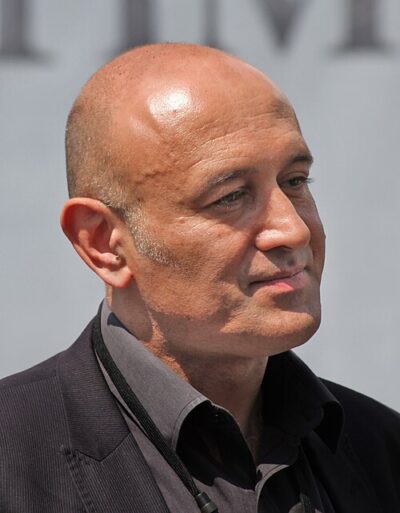
The Life Scientific is a BBC Radio 4 science programme, presented by Jim Al-Khalili, in which each episode is dedicated to the biography and work of a living scientist.
The programme consists of an interview between Al-Khalili and the featured scientist, with others contributing anecdotes.
It is broadcast on Tuesday mornings in the UK, and is available online and via BBC Sounds, as is an archive of past episodes. In October 2021 the programme reached its 10-year anniversary with discussion between Ottoline Leyser, Paul Nurse, Christopher Jackson and Sue Black on the topic of 'What makes a scientist?'.
From the Wikipedia article “The Life Scientific” (en.wikipedia.org/wiki/The_Life_Scientific), by its contributors, under CC BY-SA 4.0 (creativecommons.org/licenses/by-sa/4.0/). Copied 2026-11-18; not changed.
Confirmed Two sources agree. Cited One source, and it names where it got it. One source One source, without a reference of its own. Sources disagree The sources disagree. We show the best-supported value and keep theirs below.