The Lily
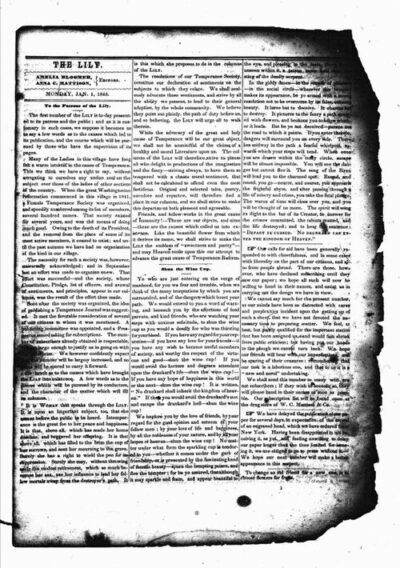
The Lily is an American newspaper. It came out in 1848. Its headquarters are in New York City.
- Came out
- 1848
- Country of origin
- United States
All 8 facts, and where they come from
Facts
8 facts · 0 confirmed by two sources · 0 cited · 8 from one source
Where this comes from
Papalocal keeps its own record. It started from these sources; what each one said is kept here as it was copied, so a change on their side never changes this page by itself. Tap one to read its version.
What Wikidata says · copied November 17, 2026 · revision 2517351884
- Described as
- American newspaper
- Other names
- The Lily: A Ladies Journal Devoted to Temperance and Literature
- What it is
- newspaper
- Language
- English
- Country of origin
- United States
- Came out
- 1848
- Ended
- 1856
- Headquarters
- New York City · 1 reference
- Country
- United States
- Owned by
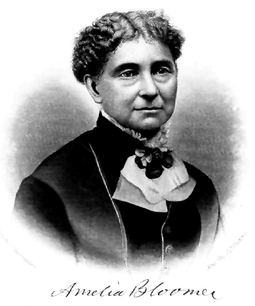
- Amelia Bloomer
- Wikipedias with a page
- 6
Wikidata item Q16934388 (wikidata.org/wiki/Q16934388), public domain (CC0). Copied 2026-11-17.
What Wikipedia says · copied November 17, 2026 · revision 1360146235
The Lily was the first U.S. newspaper edited by and for women. It was published from 1849 to 1853 by Amelia Jenks Bloomer (1818–1894) before she sold the newspaper to Mary Birdsall in 1854. While the newspaper initially focused on temperance, it soon broadened its focus to include the many issues of women's rights activists in the 1850s. It grew in its distribution as a result of its discussion of bloomers, a comfortable fashion popularized by Bloomer in the paper.
From the Wikipedia article “The Lily (newspaper)” (en.wikipedia.org/wiki/The_Lily_(newspaper)), by its contributors, under CC BY-SA 4.0 (creativecommons.org/licenses/by-sa/4.0/). Copied 2026-11-17; not changed.
Confirmed Two sources agree. Cited One source, and it names where it got it. One source One source, without a reference of its own. Sources disagree The sources disagree. We show the best-supported value and keep theirs below.
Picture: unknown - paper owned by Amelia Bloomer, via Wikimedia Commons · Public domain