The Little Drummer Girl
The Little Drummer Girl is a 1983 novel by John le Carré.
- Published
- 1983
- Came out
- 1983
- Written by
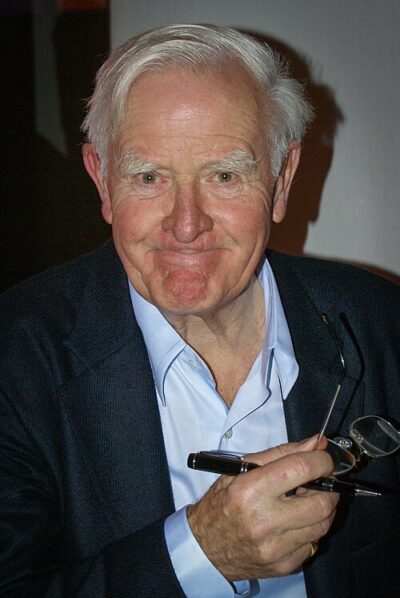
- John le Carré
- Genre
- spy fiction
- Country of origin
- United States
All 13 facts, and where they come from
Facts
13 facts · 0 confirmed by two sources · 0 cited · 13 from one source
Where this comes from
Papalocal keeps its own record. It started from these sources; what each one said is kept here as it was copied, so a change on their side never changes this page by itself. Tap one to read its version.
What Wikidata says · copied November 17, 2026 · revision 2561454977
- Described as
- 1983 novel by John le Carré
- What it is
- literary work
- Written by
- John le Carré
- Publisher
- Hodder & Stoughton Limited; Alfred A. Knopf
- Genre
- spy fiction; crime fiction
- Published
- 1983
- Language
- English
- Country of origin
- United States
- Comes after
- Smiley's People
- Followed by
- A Perfect Spy · 1 reference
- Came out
- 1983
- Named after
- The Little Drummer Boy
- Wikipedias with a page
- 14
Wikidata item Q1214462 (wikidata.org/wiki/Q1214462), public domain (CC0). Copied 2026-11-17.
What Wikipedia says · copied November 17, 2026 · revision 1385508552
The Little Drummer Girl is a spy novel by British writer John le Carré, published in 1983. The story follows Charlie, an English actress and double agent working on behalf of the Israeli intelligence agency, and the manipulations of Martin Kurtz, an Israeli spymaster who intends to kill Khalil, a Palestinian terrorist who masterminds bombings on Jewish-related targets in Europe.
The novel has been adapted into a 1984 film starring Diane Keaton, and a 2018 television series directed by Park Chan-wook and starring Florence Pugh.
From the Wikipedia article “The Little Drummer Girl (novel)” (en.wikipedia.org/wiki/The_Little_Drummer_Girl_(novel)), by its contributors, under CC BY-SA 4.0 (creativecommons.org/licenses/by-sa/4.0/). Copied 2026-11-17; not changed.
Confirmed Two sources agree. Cited One source, and it names where it got it. One source One source, without a reference of its own. Sources disagree The sources disagree. We show the best-supported value and keep theirs below.