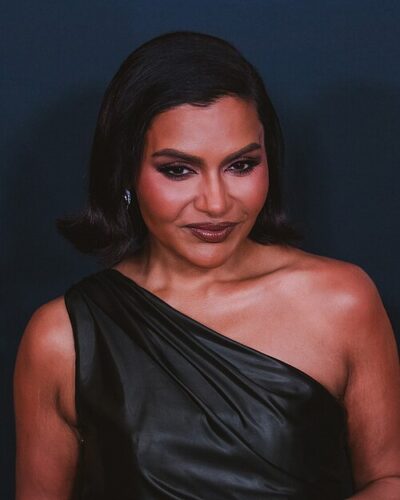
The Mindy Project
The Mindy Project is an American romantic comedy television series. It was created by Mindy Kaling. It stars Mindy Kaling, Chris Messina and Anna Camp.
- Created by
- Mindy Kaling
- Genre
- LGBT-related television series
- Country of origin
- United States
All 18 facts, and where they come from
Facts
18 facts · 0 confirmed by two sources · 2 cited · 16 from one source
Where this comes from
Papalocal keeps its own record. It started from these sources; what each one said is kept here as it was copied, so a change on their side never changes this page by itself. Tap one to read its version.
What Wikidata says · copied November 16, 2026 · revision 2569042352
- Described as
- American romantic comedy television series
- What it is
- television series
- Created by
- Mindy Kaling
- Produced by
- David Stassen; Jeremy Bronson
- Starring
- Mindy Kaling · 1 reference; Chris Messina · 1 reference; Anna Camp · 1 reference; Amanda Setton · 1 reference; Stephen Tobolowsky · 1 reference; Ike Barinholtz · 1 reference; Beth Grant · 1 reference; Xosha Roquemore · 1 reference; Adam Pally · 1 reference
- Genre
- LGBT-related television series; sitcom
- Original language
- English · 1 reference
- Country of origin
- United States · 1 reference
- Official website
- http://www.fox.com/the-mindy-project/
- Wikipedias with a page
- 20
Wikidata item Q62564 (wikidata.org/wiki/Q62564), public domain (CC0). Copied 2026-11-16.
What Wikipedia says · copied November 16, 2026 · revision 1380447713
The Mindy Project is an American romantic comedy television series created by and starring Mindy Kaling that began airing on Fox in September 2012 and finished its six-season run on Hulu in November 2017. The series was co-produced by Universal Television and 3 Arts Entertainment.
From the Wikipedia article “The Mindy Project” (en.wikipedia.org/wiki/The_Mindy_Project), by its contributors, under CC BY-SA 4.0 (creativecommons.org/licenses/by-sa/4.0/). Copied 2026-11-16; not changed.
Confirmed Two sources agree. Cited One source, and it names where it got it. One source One source, without a reference of its own. Sources disagree The sources disagree. We show the best-supported value and keep theirs below.