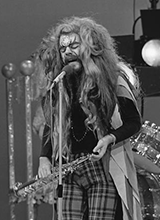
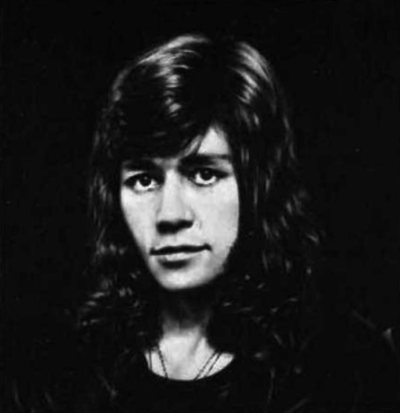
The Move
The Move is a British rock band. It was founded in 1965.
- Founded
- 1965
- Genre
- psychedelic rock
- Record label
- Deram
- Country of origin
- United Kingdom
All 6 facts, and where they come from
Facts
6 facts · 0 confirmed by two sources · 0 cited · 6 from one source
Where this comes from
Papalocal keeps its own record. It started from these sources; what each one said is kept here as it was copied, so a change on their side never changes this page by itself. Tap one to read its version.
What Wikidata says · copied November 18, 2026 · revision 2563754796
- Described as
- British rock band
- Other names
- Move
- What it is
- rock band
- Genre
- psychedelic rock
- Country of origin
- United Kingdom
- Record label
- Deram; Fly Records
- Founded
- 1965
- Wikipedias with a page
- 23
Wikidata item Q1133828 (wikidata.org/wiki/Q1133828), public domain (CC0). Copied 2026-11-18.
What Wikipedia says · copied November 18, 2026 · revision 1384598414
The Move were an English rock band formed in Birmingham in 1965. Their original line-up comprised lead guitarist Roy Wood, singer Carl Wayne, rhythm guitarist Trevor Burton, bassist Chris "Ace" Kefford and drummer Bev Bevan. Wood was the band leader and main songwriter, with lead vocal duties falling to Wayne, while Wood, Burton and Kefford also contributed lead and backing vocals. By 1971, the band was reduced to a trio of Wood, Bevan and guitarist/singer/songwriter Jeff Lynne (formerly of the Idle Race), who joined in 1970. The Move scored nine top 20 UK singles in five years, but were among the most popular British bands of the 1960s and 1970s not to achieve major success in the United States.
The Move evolved from several mid-1960s Birmingham-based groups, including Carl Wayne & the Vikings, the Nightriders and the Mayfair Set. Their name referred to the move various members of these bands made to form the group. During their time together, the band released four studio albums, two compilation albums, one live extended play and 18 singles. After their first two singles, "Night of Fear" and "I Can Hear the Grass Grow" hit number 2 and number 5 on the UK singles chart, the band released their self-titled debut in 1968, which hit number 15 on the UK Official Albums Chart and garnered two more top 10 singles, "Flowers in the Rain" and "Fire Brigade". After 1968, the band would have three more singles in the top 10, including the number 1 hit "Blackberry Way". The band released three more studio albums – Shazam, Looking On and Message from the Country – before their breakup in 1972. The band's later years saw Wood, Lynne and Bevan develop a side project called Electric Light Orchestra, which would go on to achieve major international success after The Move disbanded. Wood would later leave that group and form Wizzard.
In 1981, the band briefly reunited for a one-off charity concert, consisting of Bevan, Wood and Kefford. Twenty-three years later, in 2004, Bevan would form the "Bev Bevan Band" with former ELO Part II bandmates Phil Bates and Neil Lockwood. Bevan later rebranded this group as "Bev Bevan's Move" and – beginning in 2006 – featured Trevor Burton as an occasional guest in shows, before he became a permanent member of the group. Between 2007 and 2014, Burton and Bevan, alongside Lockwood and new members Phil Tree, Gordon Healer, Tony Kelsey and Abby Brant, performed intermittently as "The Move featuring Bev Bevan and Trevor Burton". The band's most recent reunion would happen in 2016, as "Bev Bevan's Zing Band", with Bevan and latter-era members Tree, Brant and Kelsey, alongside new member Geoff Turton.
From the Wikipedia article “The Move” (en.wikipedia.org/wiki/The_Move), by its contributors, under CC BY-SA 4.0 (creativecommons.org/licenses/by-sa/4.0/). Copied 2026-11-18; not changed.
Confirmed Two sources agree. Cited One source, and it names where it got it. One source One source, without a reference of its own. Sources disagree The sources disagree. We show the best-supported value and keep theirs below.
Picture: Wikimedia Commons: The Move.png · See Commons file page