The Perks of Being a Wallflower
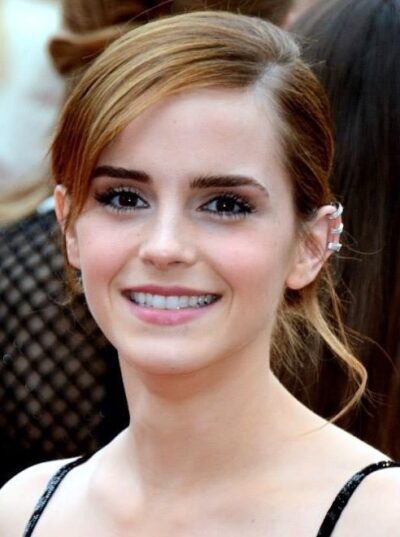
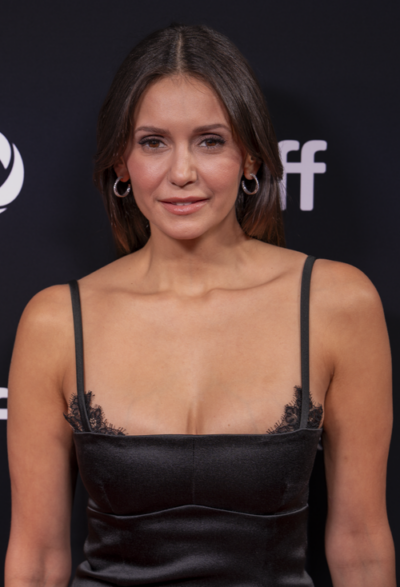
The Perks of Being a Wallflower is a 2012 film directed by Stephen Chbosky. It stars Logan Lerman, Emma Watson and Ezra Miller. It won the National Board of Review: Top Ten Films.
- Released
- September 8, 2012
- Directed by
- Stephen Chbosky
- Genre
- romance film
- Country of origin
- United States
All 27 facts, and where they come from
Facts
27 facts · 0 confirmed by two sources · 12 cited · 15 from one source
Where this comes from
Papalocal keeps its own record. It started from these sources; what each one said is kept here as it was copied, so a change on their side never changes this page by itself. Tap one to read its version.
What Wikidata says · copied November 16, 2026 · revision 2563006211
- Described as
- 2012 film directed by Stephen Chbosky
- Other names
- Perks of Being a Wallflower
- What it is
- film
- Directed by
- Stephen Chbosky
- Music by
- Michael Brook
- Screenplay by
- Stephen Chbosky
- Produced by
- John Malkovich; Russell Smith; Lianne Halfon
- Starring
- Logan Lerman · 1 reference; Emma Watson · 1 reference; Ezra Miller · 1 reference; Mae Whitman · 1 reference; Kate Walsh · 1 reference; Dylan McDermott · 1 reference; Melanie Lynskey · 1 reference; Nina Dobrev · 1 reference; Johnny Simmons · 1 reference; Paul Rudd · 1 reference
- Genre
- romance film; teen film; coming-of-age film; drama film
- Released
- September 8, 2012 · 2 references; November 1, 2012 · 1 reference; September 21, 2012 · 1 reference
- Original language
- English
- Country of origin
- United States · 1 reference
- Based on
- The Perks of Being a Wallflower
- Awards
- National Board of Review: Top Ten Films
- Official website
- http://www.perks-of-being-a-wallflower.com
- Wikipedias with a page
- 49
Wikidata item Q675468 (wikidata.org/wiki/Q675468), public domain (CC0). Copied 2026-11-16.
What Wikipedia says · copied November 16, 2026 · revision 1385692489
The Perks of Being a Wallflower is a 2012 American coming-of-age romantic drama film written and directed by Stephen Chbosky, and based on his 1999 novel. Logan Lerman stars as a teenager named Charlie who writes to an unnamed friend, and these epistles chronicle his trials, tribulations, and triumphs as he goes through his freshman year of high school. The film depicts his struggles with his, unbeknownst to him, post-traumatic stress disorder, as he goes through his journey in high school making new friends, portrayed by Emma Watson and Ezra Miller. The film's ensemble cast also includes Mae Whitman, Kate Walsh, Dylan McDermott, Joan Cusack, Nina Dobrev, and Paul Rudd in supporting roles.
Chbosky had always intended to adapt the novel to film, but did not rush to do so. He was hesitant to sell the rights to the film to anyone, but eventually sold them to Mr. Mudd Productions as long as they let him write and direct the film. Principal photography began in Pittsburgh, Pennsylvania, in May 2011 and lasted approximately fifty days.
The Perks of Being a Wallflower had its world premiere at the 2012 Toronto International Film Festival on September 8, 2012, to a standing ovation. It was released theatrically in the United States on September 21, 2012, by Summit Entertainment. The film was well received by critics, who praised Chbosky's screenplay and direction, the performances of Lerman, Watson and Miller, soundtrack, execution of its topics, and emotional weight. It was also a box office success, grossing $33.3 million on a budget of $13 million, and received several accolades, including the Independent Spirit Award for Best First Feature, two Critics' Choice Movie Awards nominations, and the GLAAD Media Award for Outstanding Film – Wide Release. The film has since become a cult classic, especially among Zillennials, and helped define the "Tumblr era" in the early 2010s.
From the Wikipedia article “The Perks of Being a Wallflower (film)” (en.wikipedia.org/wiki/The_Perks_of_Being_a_Wallflower_(film)), by its contributors, under CC BY-SA 4.0 (creativecommons.org/licenses/by-sa/4.0/). Copied 2026-11-16; not changed.
Confirmed Two sources agree. Cited One source, and it names where it got it. One source One source, without a reference of its own. Sources disagree The sources disagree. We show the best-supported value and keep theirs below.