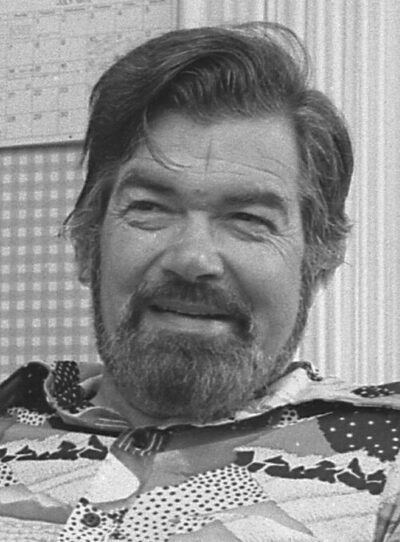
The Peter Principle
The Peter Principle is a book and concept by Laurence J. Peter that states that people in a hierarchy tend to rise to "a level of respective incompetence". It was written by Raymond Hull.
- Written by
- Laurence J. Peter
All 7 facts, and where they come from
Facts
7 facts · 0 confirmed by two sources · 0 cited · 7 from one source
Where this comes from
Papalocal keeps its own record. It started from these sources; what each one said is kept here as it was copied, so a change on their side never changes this page by itself. Tap one to read its version.
What Wikidata says · copied November 17, 2026 · revision 2559980732
- Described as
- book and concept by Laurence J. Peter that states that people in a hierarchy tend to rise to "a level of respective incompetence"
- Other names
- Peter Principle
- What it is
- written work; creative work; sociological theory
- Written by
- Laurence J. Peter; Raymond Hull
- Language
- English
- Named after
- Laurence J. Peter
- Wikipedias with a page
- 43
Wikidata item Q497359 (wikidata.org/wiki/Q497359), public domain (CC0). Copied 2026-11-17.
What Wikipedia says · copied November 17, 2026 · revision 1386121232
The Peter principle is a concept in management developed by Laurence J. Peter which observes that people in a hierarchy tend to rise to "a level of respective incompetence": employees are promoted based on their success in previous jobs until they reach a level at which they are no longer competent, as skills in one job do not necessarily translate to another.
The concept was explained in the 1969 book The Peter Principle (William Morrow and Company) by Laurence Peter and Raymond Hull. Hull wrote the text, which was based on Peter's research. Peter and Hull intended the book to be satire, but it became popular as it was seen to make a serious point about the shortcomings of how people are promoted within hierarchical organizations. The Peter principle has since been the subject of much commentary and research.
From the Wikipedia article “Peter principle” (en.wikipedia.org/wiki/Peter_principle), by its contributors, under CC BY-SA 4.0 (creativecommons.org/licenses/by-sa/4.0/). Copied 2026-11-17; not changed.
Confirmed Two sources agree. Cited One source, and it names where it got it. One source One source, without a reference of its own. Sources disagree The sources disagree. We show the best-supported value and keep theirs below.