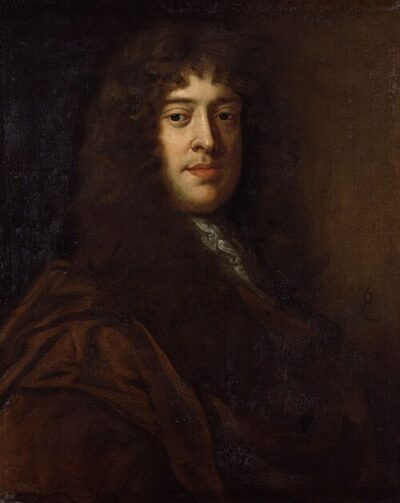
The Plain Dealer
The Plain Dealer is a 1677 play written by William Wycherley.
- Published
- 1677
- Written by
- William Wycherley
- Genre
- Restoration comedy
All 4 facts, and where they come from
Facts
4 facts · 0 confirmed by two sources · 0 cited · 4 from one source
Where this comes from
Papalocal keeps its own record. It started from these sources; what each one said is kept here as it was copied, so a change on their side never changes this page by itself. Tap one to read its version.
What Wikidata says · copied November 18, 2026 · revision 2394582858
- Described as
- 1677 play written by William Wycherley
- What it is
- literary work
- Written by
- William Wycherley
- Genre
- Restoration comedy
- Published
- 1677
- Wikipedias with a page
- 2
Wikidata item Q3203701 (wikidata.org/wiki/Q3203701), public domain (CC0). Copied 2026-11-18.
What Wikipedia says · copied November 18, 2026 · revision 1372798935
The Plain Dealer is a Restoration comedy by William Wycherley, first performed on 11 December 1676. The play is based on Molière's Le Misanthrope, and is generally considered Wycherley's finest work along with The Country Wife.
The play was highly praised by John Dryden and John Dennis, though it was equally condemned for its obscenity by many. Throughout the eighteenth century it was performed in a bowdlerised version by Isaac Bickerstaffe.
The title character is Captain Manly, a sailor who doubts the motives of everyone he meets except for his sweetheart, Olivia, and his friend, Vernish. When Olivia jilts him and marries Vernish, he attempts to gain revenge by sending a pageboy (who, unknown to him, is a girl named Fidelia in disguise and is in love with him) to seduce Olivia. When the truth of the page's identity is discovered, Manly marries her instead.
The French philosopher, historian, and dramatist Voltaire adapted The Plain Dealer to make his own play, titled La Prude (The Prude).
From the Wikipedia article “The Plain Dealer (play)” (en.wikipedia.org/wiki/The_Plain_Dealer_(play)), by its contributors, under CC BY-SA 4.0 (creativecommons.org/licenses/by-sa/4.0/). Copied 2026-11-18; not changed.
Confirmed Two sources agree. Cited One source, and it names where it got it. One source One source, without a reference of its own. Sources disagree The sources disagree. We show the best-supported value and keep theirs below.