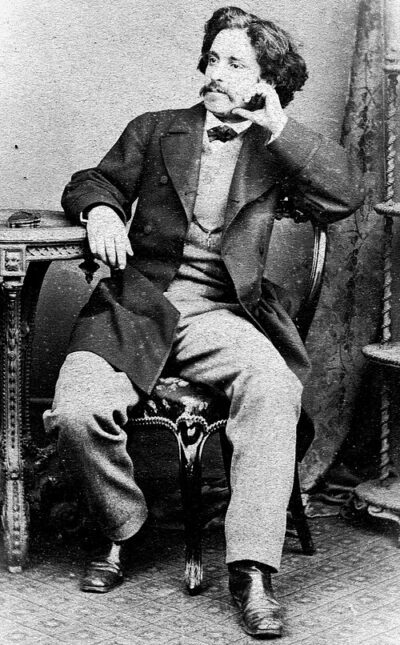
The Right to be Lazy
The Right to be Lazy is a work by Paul Lafargue. It came out in 1880.
- Published
- 1880
- Written by
- Paul Lafargue
- Genre
- polemical lampoon
All 8 facts, and where they come from
Facts
8 facts · 0 confirmed by two sources · 0 cited · 8 from one source
Where this comes from
Papalocal keeps its own record. It started from these sources; what each one said is kept here as it was copied, so a change on their side never changes this page by itself. Tap one to read its version.
What Wikidata says · copied November 17, 2026 · revision 2549131516
- Described as
- work by Paul Lafargue
- Other names
- Right to be Lazy, Le droit à la paresse, Droit à la paresse
- What it is
- literary work
- Written by
- Paul Lafargue
- Genre
- polemical lampoon; non-fiction literature; essay
- Published
- 1880
- Language
- French; German
- Wikipedias with a page
- 22
Wikidata item Q585100 (wikidata.org/wiki/Q585100), public domain (CC0). Copied 2026-11-17.
What Wikipedia says · copied November 17, 2026 · revision 1384225280
The Right to Be Lazy (French: Le Droit à la paresse) is a book by Paul Lafargue, published in 1883. In it, Lafargue, a French socialist, opposes the labour movement's fight to expand wage labour rather than abolish or at least limit it. According to Lafargue, wage labour is tantamount to slavery, and to fight as a labour movement for the extension of slavery is preposterous. In the book, Lafargue proposes the right to be lazy, in contrast to the right to work, which he deems bourgeois.
From the Wikipedia article “The Right to Be Lazy” (en.wikipedia.org/wiki/The_Right_to_Be_Lazy), by its contributors, under CC BY-SA 4.0 (creativecommons.org/licenses/by-sa/4.0/). Copied 2026-11-17; not changed.
Confirmed Two sources agree. Cited One source, and it names where it got it. One source One source, without a reference of its own. Sources disagree The sources disagree. We show the best-supported value and keep theirs below.
Picture: Wikimedia Commons: Paul Lafargue, Le Droit à la paresse (Maitrier).jpg · See Commons file page