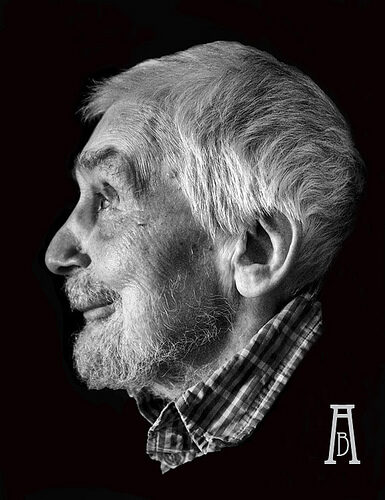
The Scots Makar
The Scots Makar is a national title awarded by the Scottish Parliament. It was created in 2004.
- Country
- United Kingdom
- Created
- 2004
All 3 facts, and where they come from
Facts
3 facts · 0 confirmed by two sources · 0 cited · 3 from one source
Where this comes from
Papalocal keeps its own record. It started from these sources; what each one said is kept here as it was copied, so a change on their side never changes this page by itself. Tap one to read its version.
What Wikidata says · copied November 18, 2026 · revision 2285452392
- Described as
- national title awarded by the Scottish Parliament
- Other names
- Scots Makar, National Poet of Scotland, Makar
- What it is
- position
- Created
- 2004
- Country
- United Kingdom
- Wikipedias with a page
- 1
Wikidata item Q67824596 (wikidata.org/wiki/Q67824596), public domain (CC0). Copied 2026-11-18.
What Wikipedia says · copied November 18, 2026 · revision 1373761981
The Makar is the national poet of Scotland, an office which was established in February 2004 by the Scottish Government and supported by Creative Scotland. The incumbent Makar serves a maximum term of three years which is non–renewable, and has overall responsibility for the promotion of literacy, poetry and writing across the country, as well as producing annual reports for both the Scottish Government and Scottish Parliament.
The current Makar is Pàdraig MacAoidh, who was appointed in December 2024 by first minister John Swinney. Holders of the post are appointed by the Scottish Government and supported by the Scottish Poetry Library, which celebrated its 40th anniversary in 2024.
From the Wikipedia article “Makar (National Poet for Scotland)” (en.wikipedia.org/wiki/Makar_(National_Poet_for_Scotland)), by its contributors, under CC BY-SA 4.0 (creativecommons.org/licenses/by-sa/4.0/). Copied 2026-11-18; not changed.
Confirmed Two sources agree. Cited One source, and it names where it got it. One source One source, without a reference of its own. Sources disagree The sources disagree. We show the best-supported value and keep theirs below.