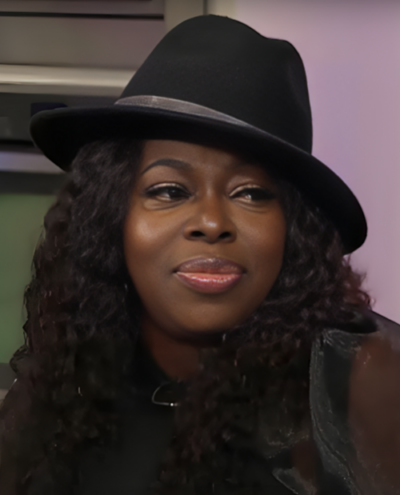
The Sequence
The Sequence is an U.S. hip hop vocal trio.
- Genre
- old-school hip-hop
- Record label
- Sugar Hill Records
- Country of origin
- United States
All 5 facts, and where they come from
Facts
5 facts · 0 confirmed by two sources · 0 cited · 5 from one source
Where this comes from
Papalocal keeps its own record. It started from these sources; what each one said is kept here as it was copied, so a change on their side never changes this page by itself. Tap one to read its version.
What Wikidata says · copied November 17, 2026 · revision 2555623797
- Described as
- U.S. hip hop vocal trio
- What it is
- musical group; vocal group
- Genre
- old-school hip-hop
- Country of origin
- United States
- Record label
- Sugar Hill Records
- Wikipedias with a page
- 4
Wikidata item Q7763337 (wikidata.org/wiki/Q7763337), public domain (CC0). Copied 2026-11-17.
What Wikipedia says · copied November 17, 2026 · revision 1381870170
The Sequence was an American hip hop group formed in Columbia, South Carolina in 1979, composed of Angie B., Blondy, and Cheryl the Pearl. The group rose to fame with the 1979 single, "Funk You Up", which was the first rap hit performed by women and one of the first commercially successful hip hop singles. Their debut album, Sugar Hill Presents The Sequence (1980), was released on Sugar Hill Records and was the first hip hop record on vinyl released by an all-female act.
In the period between the release of their first two albums, the group co-wrote and performed on songs performed by their labelmates, including "Let's Dance (Make Your Body Move)" by West Street Mob. Their follow-up self-titled album was released in 1982 to limited commercial success. The group's final album The Sequence Party was released in 1983.
The Sequence have reportedly sold a million records worldwide, making them the first female hip hop act to sell over a million records.
From the Wikipedia article “The Sequence” (en.wikipedia.org/wiki/The_Sequence), by its contributors, under CC BY-SA 4.0 (creativecommons.org/licenses/by-sa/4.0/). Copied 2026-11-17; not changed.
Confirmed Two sources agree. Cited One source, and it names where it got it. One source One source, without a reference of its own. Sources disagree The sources disagree. We show the best-supported value and keep theirs below.