The Slav Epic
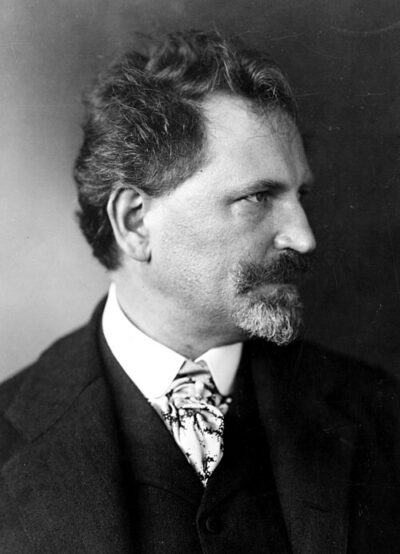
The Slav Epic is a cycle of paintings by Alphonse Mucha. It came out in 1910.
- Came out
- 1910
- Created by
- Alphonse Mucha
All 4 facts, and where they come from
Facts
4 facts · 0 confirmed by two sources · 0 cited · 4 from one source
Where this comes from
Papalocal keeps its own record. It started from these sources; what each one said is kept here as it was copied, so a change on their side never changes this page by itself. Tap one to read its version.
What Wikidata says · copied November 17, 2026 · revision 2514387480
- Described as
- cycle of paintings by Alphonse Mucha
- Other names
- Slav Epic
- What it is
- cycle of paintings
- Created by
- Alphonse Mucha
- Came out
- 1910
- Country
- Czech Republic
- Wikipedias with a page
- 20
Wikidata item Q499643 (wikidata.org/wiki/Q499643), public domain (CC0). Copied 2026-11-17.
What Wikipedia says · copied November 17, 2026 · revision 1358981560
The Slav Epic (Czech: Slovanská epopej) is a cycle of 20 large canvases painted by Czech Art Nouveau painter Alphonse Mucha between 1910 and 1928. The cycle depicts the mythology and history of Czechs and other Slavic peoples. In 1928, after finishing his monumental work, Mucha bestowed the cycle upon the city of Prague on the condition that the city build a special pavilion for it.
Prior to 2012, the work was a part of the permanent exhibition at the chateau in the town of Moravský Krumlov in the South Moravian Region of the Czech Republic. In 2012, all 20 works were moved and displayed together on the ground floor of the Veletržní Palace until 2016, in an exhibition organized by the National Gallery in Prague (exhibition catalogue: Alphonse Mucha – Slovanská epopej). The works are currently on display back in the town of Moravský Krumlov.
From the Wikipedia article “The Slav Epic” (en.wikipedia.org/wiki/The_Slav_Epic), by its contributors, under CC BY-SA 4.0 (creativecommons.org/licenses/by-sa/4.0/). Copied 2026-11-17; not changed.
Confirmed Two sources agree. Cited One source, and it names where it got it. One source One source, without a reference of its own. Sources disagree The sources disagree. We show the best-supported value and keep theirs below.
Picture: Wikimedia Commons: Alfons Mucha at work on Slav Epic.jpg · See Commons file page