The Story of Mankind
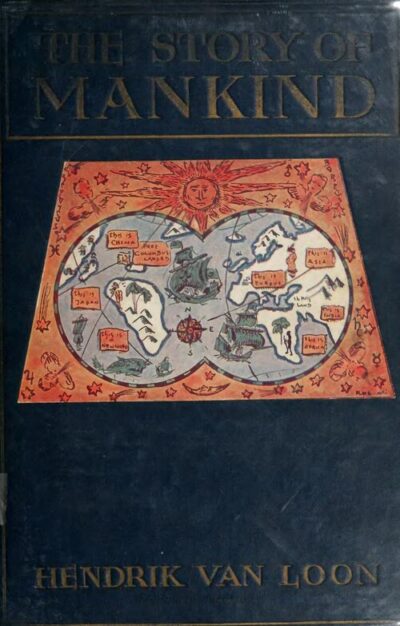
The Story of Mankind is a book by Hendrik Willem van Loon. It came out in 1921. It won the Newbery Medal.
- Published
- 1921
- Written by
- Hendrik Willem van Loon
- Country of origin
- United States
All 7 facts, and where they come from
Facts
7 facts · 0 confirmed by two sources · 1 cited · 6 from one source
Where this comes from
Papalocal keeps its own record. It started from these sources; what each one said is kept here as it was copied, so a change on their side never changes this page by itself. Tap one to read its version.
What Wikidata says · copied November 17, 2026 · revision 2464509483
- Described as
- book by Hendrik Willem van Loon
- What it is
- literary work
- Written by
- Hendrik Willem van Loon
- Publisher
- Modern Library
- Published
- 1921
- Language
- English
- Country of origin
- United States · 1 reference
- Awards
- Newbery Medal (1922) · 1 reference
- Wikipedias with a page
- 6
Wikidata item Q13802568 (wikidata.org/wiki/Q13802568), public domain (CC0). Copied 2026-11-17.
What Wikipedia says · copied November 17, 2026 · revision 1384227053
The Story of Mankind is a book written and illustrated by Dutch-American journalist, professor, and author Hendrik Willem van Loon. It was published in 1921. In 1922, it was awarded the Newbery Medal for an outstanding contribution to children's literature. This was the first year the Newbery Medal was awarded.
Written for Van Loon's children, The Story of Mankind tells in brief chapters the history of Western civilization, beginning with primitive man, covering the development of writing, art, and architecture, the rise of major religions, and the formation of the modern nation-state. Van Loon explains in the book how he selected what and what not to include by subjecting all materials to the question "Did the person or event in question perform an act without which the entire history of civilization would have been different?".
Van Loon published an updated edition in 1926 which included an extra essay, "After Seven Years", about the effects of World War I and another update in 1938 with a new epilogue. Since Van Loon's death in 1944, extensive additions were included in The Story of Mankind, initially by van Loon's son, Gerrit van Loon. The 2014 version (ISBN 978-0-87140-865-5) by Robert Sullivan covers events up to the early 2010s.
From the Wikipedia article “The Story of Mankind” (en.wikipedia.org/wiki/The_Story_of_Mankind), by its contributors, under CC BY-SA 4.0 (creativecommons.org/licenses/by-sa/4.0/). Copied 2026-11-17; not changed.
Confirmed Two sources agree. Cited One source, and it names where it got it. One source One source, without a reference of its own. Sources disagree The sources disagree. We show the best-supported value and keep theirs below.
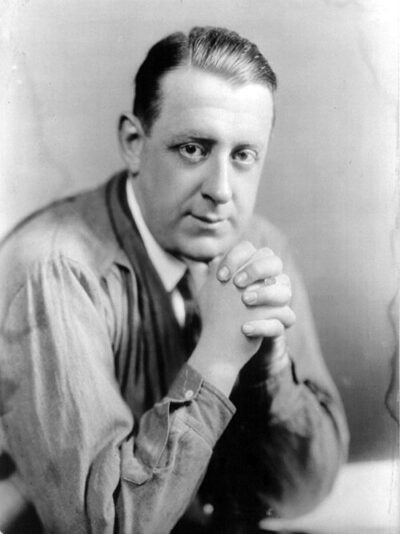
Picture: Hendrik Willem Van Loon, via Wikimedia Commons · Public domain