The Tale of Benjamin Bunny
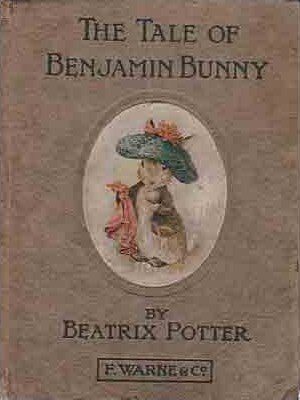
The Tale of Benjamin Bunny is children's book by Beatrix Potter.
- Written by
- Beatrix Potter
- Genre
- children's literature
- Country of origin
- United Kingdom
All 8 facts, and where they come from
Facts
8 facts · 0 confirmed by two sources · 0 cited · 8 from one source
Where this comes from
Papalocal keeps its own record. It started from these sources; what each one said is kept here as it was copied, so a change on their side never changes this page by itself. Tap one to read its version.
What Wikidata says · copied November 17, 2026 · revision 2549142956
- Described as
- children's book by Beatrix Potter
- What it is
- literary work
- Written by
- Beatrix Potter
- Publisher
- Frederick Warne & Co
- Genre
- children's literature
- Language
- English
- Country of origin
- United Kingdom
- Comes after
- The Tailor of Gloucester
- Followed by
- The Tale of Two Bad Mice
- Wikipedias with a page
- 9
Wikidata item Q591892 (wikidata.org/wiki/Q591892), public domain (CC0). Copied 2026-11-17.
What Wikipedia says · copied November 17, 2026 · revision 1384279597
The Tale of Benjamin Bunny is a children's book written and illustrated by Beatrix Potter, and first published by Frederick Warne & Co. in September 1904. The book is a sequel to The Tale of Peter Rabbit (1902), and tells of Peter's return to Mr. McGregor's garden with his cousin Benjamin to retrieve the clothes he lost there during his previous adventure. In Benjamin Bunny, Potter deepened the rabbit universe she created in Peter Rabbit, and, in doing so, suggested the rabbit world was parallel to the human world but complete and sufficient unto itself.
In 1903, Potter and her publisher decided her next book should be less complicated than her previous productions, and in Benjamin Bunny she created a simple, didactic tale for young children. The book's masterful illustrations were based upon the several gardens at the Lake District estate of Fawe Park, where Potter spent the summer of 1903. She was sensitive to the openings and endings of her books, and insisted Benjamin Bunny finish with the words "rabbit-tobacco", a term she appropriated from the Uncle Remus stories by Joel Chandler Harris, one of her literary heroes.
Benjamin Bunny was an instant commercial and popular success, and thousands of copies were in print by the end of 1904. The Times Literary Supplement thought Potter's illustrations "pencil perfect", but suggested that she engage a literary assistant for future productions. Potter created a nursery wallpaper tapping Benjamin's image, and Benjamin returned as an adult rabbit in the Flopsy Bunnies and Mr. Tod. In 1992, Benjamin Bunny was adapted as an episode of the BBC animated television series, The World of Peter Rabbit and Friends.
From the Wikipedia article “The Tale of Benjamin Bunny” (en.wikipedia.org/wiki/The_Tale_of_Benjamin_Bunny), by its contributors, under CC BY-SA 4.0 (creativecommons.org/licenses/by-sa/4.0/). Copied 2026-11-17; not changed.
Confirmed Two sources agree. Cited One source, and it names where it got it. One source One source, without a reference of its own. Sources disagree The sources disagree. We show the best-supported value and keep theirs below.
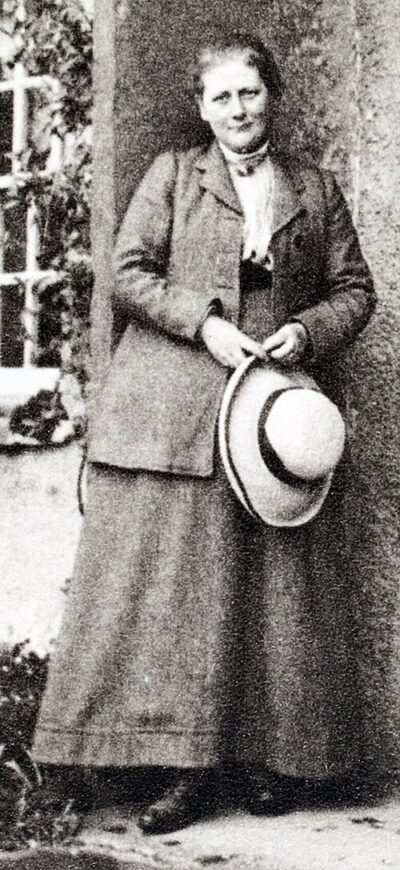
Picture: Beatrix Potter, via Wikimedia Commons · Public domain