The Tenant of Wildfell Hall
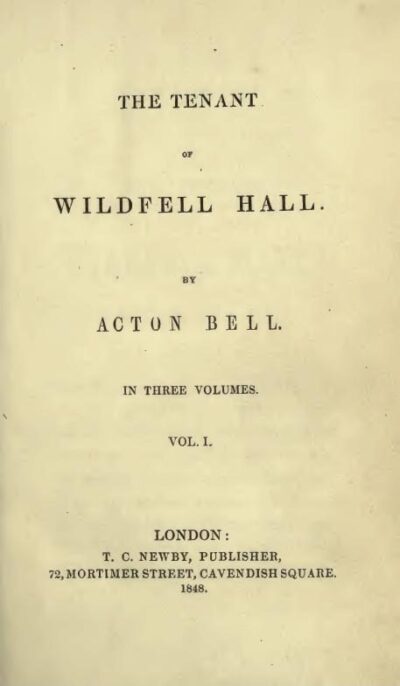
The Tenant of Wildfell Hall is a 1848 novel by Anne Brontë.
- Published
- 1848
- Came out
- 1848
- Written by
- Anne Brontë
- Genre
- epistolary fiction
- Country of origin
- United Kingdom
All 9 facts, and where they come from
Facts
9 facts · 0 confirmed by two sources · 0 cited · 9 from one source
Where this comes from
Papalocal keeps its own record. It started from these sources; what each one said is kept here as it was copied, so a change on their side never changes this page by itself. Tap one to read its version.
What Wikidata says · copied November 17, 2026 · revision 2564840096
- Described as
- 1848 novel by Anne Brontë
- What it is
- literary work
- Written by
- Anne Brontë
- Publisher
- Thomas Cautley Newby
- Genre
- epistolary fiction
- Published
- 1848
- Language
- British English
- Country of origin
- United Kingdom
- Comes after
- Agnes Grey
- Came out
- 1848
- Wikipedias with a page
- 47
Wikidata item Q44701 (wikidata.org/wiki/Q44701), public domain (CC0). Copied 2026-11-17.
What Wikipedia says · copied November 17, 2026 · revision 1384223894
The Tenant of Wildfell Hall is the second and final novel written by the English author Anne Brontë. It was first published in 1848 under the pseudonym Acton Bell. Probably the most shocking of the Brontës' novels, it was an instant success, but after Anne's death, her sister Charlotte prevented its re-publication in England until 1854.
The novel is framed as letters from Gilbert Markham to a friend. In them he describes meeting a mysterious young widow, Helen Graham, who arrives with her young son and a servant to Wildfell Hall, an Elizabethan mansion which has been empty for many years. Contrary to early 19th-century norms, she pursues an artist's career and makes an income by selling her pictures. Her strict seclusion soon gives rise to gossip in the neighbouring village and she becomes a social outcast. Gilbert comes to understand that she has fled with her son from an abusive relationship, to save him from his father's influence. The novel is notable for its depiction of marital strife and women's professional work. It also expresses Anne Brontë's belief in universal salvation.
Most critics now consider The Tenant of Wildfell Hall to be one of the first feminist novels. In leaving her husband and taking their child, Helen violates not only social conventions but also early 19th-century English law.
From the Wikipedia article “The Tenant of Wildfell Hall” (en.wikipedia.org/wiki/The_Tenant_of_Wildfell_Hall), by its contributors, under CC BY-SA 4.0 (creativecommons.org/licenses/by-sa/4.0/). Copied 2026-11-17; not changed.
Confirmed Two sources agree. Cited One source, and it names where it got it. One source One source, without a reference of its own. Sources disagree The sources disagree. We show the best-supported value and keep theirs below.
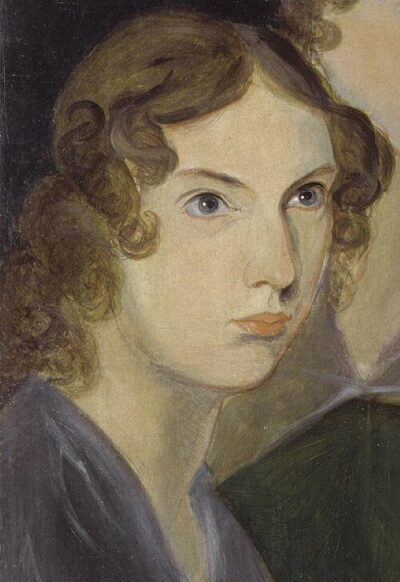
Picture: rich4, via Wikimedia Commons · Public domain