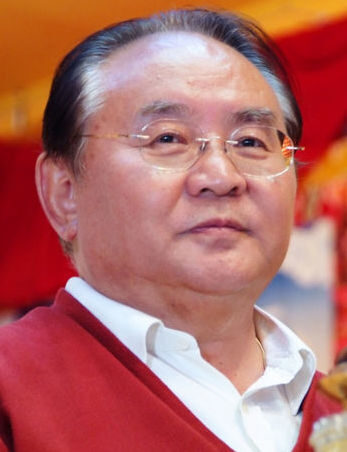
The Tibetan Book of Living and Dying
The Tibetan Book of Living and Dying is a 1992 essay by Sogyal Rinpoche.
- Published
- 1992
- Written by
- Sogyal Rinpoche
- Genre
- essay
- Country of origin
- United States
All 7 facts, and where they come from
Facts
7 facts · 0 confirmed by two sources · 0 cited · 7 from one source
Where this comes from
Papalocal keeps its own record. It started from these sources; what each one said is kept here as it was copied, so a change on their side never changes this page by itself. Tap one to read its version.
What Wikidata says · copied November 18, 2026 · revision 2433115430
- Described as
- 1992 essay by Sogyal Rinpoche
- What it is
- written work
- Written by
- Sogyal Rinpoche
- Publisher
- HarperCollins
- Genre
- essay
- Published
- 1992
- Language
- English
- Country of origin
- United States
- Wikipedias with a page
- 7
Wikidata item Q2588558 (wikidata.org/wiki/Q2588558), public domain (CC0). Copied 2026-11-18.
What Wikipedia says · copied November 18, 2026 · revision 1384290378
The Tibetan Book of Living and Dying, written by Sogyal Rinpoche in 1992, is a presentation of the teachings of Tibetan Buddhism based on the Tibetan Book of the Dead or Bardo Thodol. The author wrote, "I have written The Tibetan Book of Living and Dying as the quintessence of the heart-advice of all my masters, to be a new Tibetan Book of the Dead and a Tibetan Book of Life." The book explores: the message of impermanence; evolution, karma and rebirth; the nature of mind and how to train the mind through meditation; how to follow a spiritual path in this day and age; the practice of compassion; how to care for and show love to the dying, and spiritual practices for the moment of death.
In his foreword to the book, the 14th Dalai Lama says:In this timely book, Sogyal Rinpoche focuses on how to understand the true meaning of life, how to accept death, and how to help the dying, and the dead ... Death and dying provide a meeting point between the Tibetan Buddhist and modern scientific traditions. I believe both have a great deal to contribute to each other on the level of understanding and practical benefit. Sogyal Rinpoche is particularly well placed to facilitate this meeting; having been born and brought up in the Tibetan tradition, he has received instructions from some of our greatest Lamas. Having also benefited from a modern education and lived and worked in the West, he has become well acquainted with Western ways of thought.
From the Wikipedia article “The Tibetan Book of Living and Dying” (en.wikipedia.org/wiki/The_Tibetan_Book_of_Living_and_Dying), by its contributors, under CC BY-SA 4.0 (creativecommons.org/licenses/by-sa/4.0/). Copied 2026-11-18; not changed.
Confirmed Two sources agree. Cited One source, and it names where it got it. One source One source, without a reference of its own. Sources disagree The sources disagree. We show the best-supported value and keep theirs below.