The Unbearable Lightness of Being
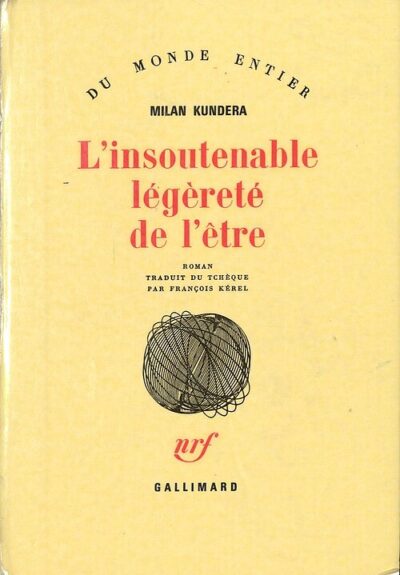
The Unbearable Lightness of Being is a 1984 Czech novel by Milan Kundera.
- Published
- 1984
- Written by
- Milan Kundera
- Genre
- philosophical fiction
All 5 facts, and where they come from
Facts
5 facts · 0 confirmed by two sources · 0 cited · 5 from one source
Where this comes from
Papalocal keeps its own record. It started from these sources; what each one said is kept here as it was copied, so a change on their side never changes this page by itself. Tap one to read its version.
What Wikidata says · copied November 17, 2026 · revision 2565135993
- Described as
- 1984 Czech novel by Milan Kundera
- What it is
- literary work
- Written by
- Milan Kundera
- Genre
- philosophical fiction
- Published
- 1984
- Language
- Czech
- Wikipedias with a page
- 56
Wikidata item Q917055 (wikidata.org/wiki/Q917055), public domain (CC0). Copied 2026-11-17.
What Wikipedia says · copied November 17, 2026 · revision 1384232786
The Unbearable Lightness of Being (Czech: Nesnesitelná lehkost bytí) is a 1984 novel by Milan Kundera about two women, two men, a dog, and their lives in the 1968 Prague Spring period of Czechoslovak history.
Though written in 1982, the novel was not published until two years later, in a French translation (as L'insoutenable légèreté de l'être). The same year, it was translated from Czech into English by Michael Henry Heim, and excerpts were published in The New Yorker.
The original Czech-language text was published the following year. A feature-length film adaptation of the same title was released in 1988.
From the Wikipedia article “The Unbearable Lightness of Being” (en.wikipedia.org/wiki/The_Unbearable_Lightness_of_Being), by its contributors, under CC BY-SA 4.0 (creativecommons.org/licenses/by-sa/4.0/). Copied 2026-11-17; not changed.
Confirmed Two sources agree. Cited One source, and it names where it got it. One source One source, without a reference of its own. Sources disagree The sources disagree. We show the best-supported value and keep theirs below.
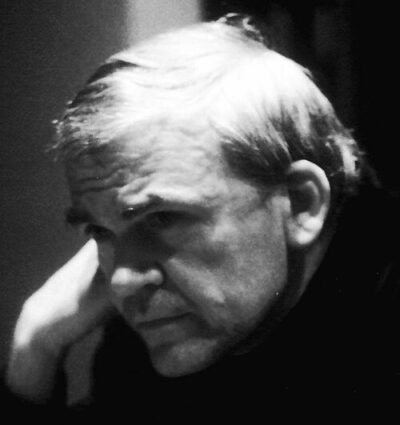
Picture: Unknown author, via Wikimedia Commons · Public domain