The Very Hungry Caterpillar
The Very Hungry Caterpillar is a 1969 book by Eric Carle.
- Published
- June 3, 1969
- Written by
- Eric Carle
- Country of origin
- United States
All 7 facts, and where they come from
Facts
7 facts · 0 confirmed by two sources · 0 cited · 7 from one source
Where this comes from
Papalocal keeps its own record. It started from these sources; what each one said is kept here as it was copied, so a change on their side never changes this page by itself. Tap one to read its version.
What Wikidata says · copied November 17, 2026 · revision 2563750382
- Described as
- 1969 book by Eric Carle
- Other names
- Very Hungry Caterpillar
- What it is
- literary work
- Written by
- Eric Carle
- Publisher
- G. P. Putnam's Sons; Hamish Hamilton
- Published
- June 3, 1969 · 1 reference
- Language
- English
- Country of origin
- United States · 1 reference
- Wikipedias with a page
- 25
Wikidata item Q491657 (wikidata.org/wiki/Q491657), public domain (CC0). Copied 2026-11-17.
What Wikipedia says · copied November 17, 2026 · revision 1385360445
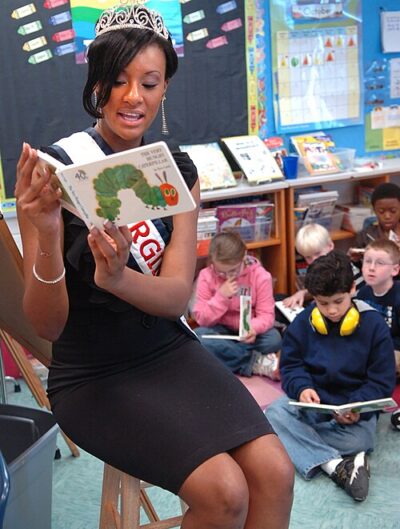
The Very Hungry Caterpillar is a 1969 children's picture book by American author and illustrator Eric Carle. The plot follows a very hungry caterpillar that consumes a variety of foods before pupating and becoming a butterfly. It incorporates elements that contribute to early childhood education, including numbers and the days of the week.
Since its publication, the book has sold more than 55 million copies and has been translated into over 70 languages. According to its publisher, Penguin Random House, a copy of The Very Hungry Caterpillar is sold every 30 seconds. It has been acclaimed as "one of the greatest childhood classics of all time" and praised for its "iconic" art style, featuring collage artwork and pages with holes where the caterpillar "ate" through.
From the Wikipedia article “The Very Hungry Caterpillar” (en.wikipedia.org/wiki/The_Very_Hungry_Caterpillar), by its contributors, under CC BY-SA 4.0 (creativecommons.org/licenses/by-sa/4.0/). Copied 2026-11-17; not changed.
Confirmed Two sources agree. Cited One source, and it names where it got it. One source One source, without a reference of its own. Sources disagree The sources disagree. We show the best-supported value and keep theirs below.
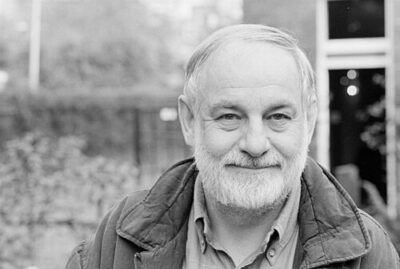
Picture: Marny Malin, via Wikimedia Commons · Public domain