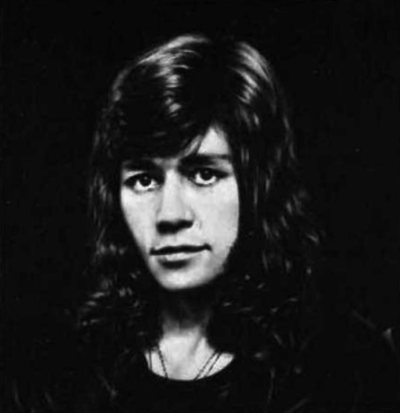
The Vikings
The Vikings is an English musical group; rock group from Birmingham. It was founded in 1957.
- Founded
- 1957
- Country of origin
- United Kingdom
All 3 facts, and where they come from
Facts
3 facts · 0 confirmed by two sources · 0 cited · 3 from one source
Where this comes from
Papalocal keeps its own record. It started from these sources; what each one said is kept here as it was copied, so a change on their side never changes this page by itself. Tap one to read its version.
What Wikidata says · copied November 18, 2026 · revision 2248447900
- Described as
- English musical group; rock group from Birmingham
- Other names
- Keith Powell & the Vikings, Carl Wayne & the Vikings, Carl Wayne & The Vikings
- What it is
- musical group
- Country of origin
- United Kingdom
- Founded
- 1957
- Wikipedias with a page
- 1
Wikidata item Q16848488 (wikidata.org/wiki/Q16848488), public domain (CC0). Copied 2026-11-18.
What Wikipedia says · copied November 18, 2026 · revision 1336507268
The Vikings, also known as Keith Powell & the Vikings or Carl Wayne & the Vikings, were an English rock group from Birmingham, notable for including at various times Carl Wayne, Chris 'Ace' Kefford, and Bev Bevan who would later become founders of The Move. Bevan would also later co-found Electric Light Orchestra.
The Vikings started as a skiffle group in the Nechells district of Birmingham in the spring of 1957, formed by Terry Wallace and his friends George Jenkins, John "Bango" Badrick, Allan Compton, John Jolley, and Terry Smith, with their first gig being at the local Cromwell Street Working Men's Club. Barry Harber played bass from 1961 to 1964.
The band was signed to and released three singles on Pye Records in the mid-1960s, one of which – "Your Loving Ways" – was written by the group.
From the Wikipedia article “The Vikings (British band)” (en.wikipedia.org/wiki/The_Vikings_(British_band)), by its contributors, under CC BY-SA 4.0 (creativecommons.org/licenses/by-sa/4.0/). Copied 2026-11-18; not changed.
Confirmed Two sources agree. Cited One source, and it names where it got it. One source One source, without a reference of its own. Sources disagree The sources disagree. We show the best-supported value and keep theirs below.