Théâtre Feydeau
Théâtre Feydeau is a former theater company in Paris. It was founded in 1789 by Léonard Autié and Giovanni Battista Viotti.
- Founded
- January 26, 1789 (–1801)
- Founded by
- Léonard Autié
- Country
- France
All 7 facts, and where they come from
Facts
7 facts · 0 confirmed by two sources · 3 cited · 4 from one source
Where this comes from
Papalocal keeps its own record. It started from these sources; what each one said is kept here as it was copied, so a change on their side never changes this page by itself. Tap one to read its version.
What Wikidata says · copied November 18, 2026 · revision 2550088371
- Described as
- former theater company in Paris
- Other names
- Théâtre de Monsieur
- What it is
- theatre company; opera company
- Founded
- January 26, 1789 (–1801) · 1 reference
- Founded by
- Léonard Autié · 1 reference; Giovanni Battista Viotti · 1 reference
- Located in
- Paris
- Country
- France
- Wikipedias with a page
- 8
Wikidata item Q825805 (wikidata.org/wiki/Q825805), public domain (CC0). Copied 2026-11-18.
What Wikipedia says · copied November 18, 2026 · revision 1260762857
The Théâtre Feydeau (pronounced [teɑtʁ fɛdo]), a former Parisian theatre company, was founded in 1789 with the patronage of Monsieur, Comte de Provence (later to become Louis XVIII), and was therefore initially named the Théâtre de Monsieur. It began performing in the Salle des Tuileries, located in the north wing of the Tuileries Palace, then moved to the Salle des Variétés at the Foire Saint-Germain, and beginning in 1791, settled into its own custom-built theatre, the Salle Feydeau located on the rue Feydeau. The company was renamed Feydeau after the royal family was arrested during the French Revolution.
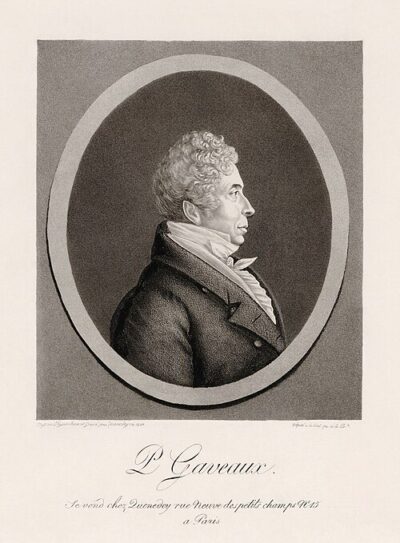
The company first presented Italian opera by composers such as Giovanni Battista Pergolesi, Giuseppe Sarti, and Giovanni Paisiello and later French plays, vaudevilles, and opéras comiques, as well as symphonic concerts, and was especially famous for the quality of its orchestra and realistic stagings. The Italian Luigi Cherubini was the house composer, but the French composers Jean-François Le Sueur, François Devienne, and Pierre Gaveaux were also closely associated with the company.
In 1801 the Théâtre Feydeau merged with, and took the name of its chief rival, the Opéra-Comique. Except for a brief period from July 1804 to July 1805, when the merged company performed at the Salle Favart, it continued to perform at the Salle Feydeau until 1829, when it moved to a new theatre, the Salle Ventadour. The Salle Feydeau was demolished shortly thereafter.
From the Wikipedia article “Théâtre Feydeau” (en.wikipedia.org/wiki/Théâtre_Feydeau), by its contributors, under CC BY-SA 4.0 (creativecommons.org/licenses/by-sa/4.0/). Copied 2026-11-18; not changed.
Confirmed Two sources agree. Cited One source, and it names where it got it. One source One source, without a reference of its own. Sources disagree The sources disagree. We show the best-supported value and keep theirs below.
Picture: Wikimedia Commons: Salle Feydeau NGO3p869.jpg · See Commons file page