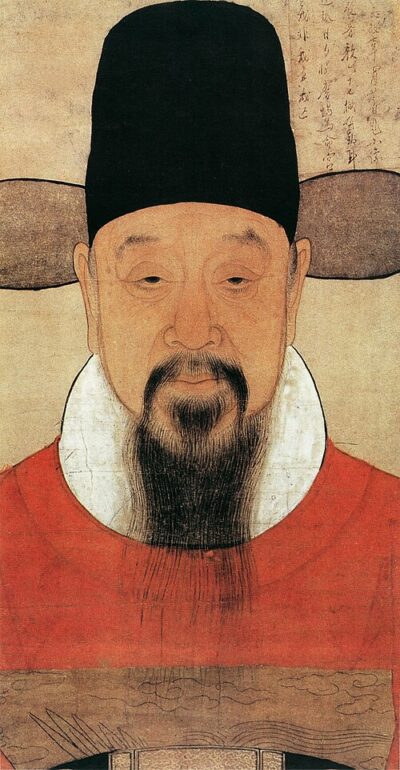
Three Pillars of Chinese Catholicism
Three Pillars of Chinese Catholicism is a group of humans.
All 1 facts, and where they come from
Facts
1 facts · 0 confirmed by two sources · 0 cited · 1 from one source
Where this comes from
Papalocal keeps its own record. It started from these sources; what each one said is kept here as it was copied, so a change on their side never changes this page by itself. Tap one to read its version.
What Wikidata says · copied November 17, 2026 · revision 2227953870
- Described as
- group of humans
- What it is
- trio
- Wikipedias with a page
- 5
Wikidata item Q841745 (wikidata.org/wiki/Q841745), public domain (CC0). Copied 2026-11-17.
What Wikipedia says · copied November 17, 2026 · revision 1337156404
The Three Pillars of Chinese Catholicism (聖教三柱石, literally the "Holy Religion's Three Pillar-Stones") refer to three Chinese converts to Christianity, during the 16th and 17th century Jesuit China missions:
Xú Guāngqǐ (Wade–Giles: Hsü Kuang-ch'i; 徐光啟, 1562–1633) of Shanghai
Lǐ Zhīzǎo (Wade–Giles: Li Chih-tsao; 李之藻, 1565–November 1, 1630) of Hangzhou
Yáng Tíngyún (Wade–Giles: Yang T'ing-yün; 楊廷筠, 1557–1627) of Hangzhou
Their combined efforts helped lead Hangzhou and Shanghai to become centres of missionary activity in late Ming China. These men shared an interest in Western science and mathematics, and it is probable that this was what first attracted them to the Jesuits responsible for their conversion.
From the Wikipedia article “Three Pillars of Chinese Catholicism” (en.wikipedia.org/wiki/Three_Pillars_of_Chinese_Catholicism), by its contributors, under CC BY-SA 4.0 (creativecommons.org/licenses/by-sa/4.0/). Copied 2026-11-17; not changed.
Confirmed Two sources agree. Cited One source, and it names where it got it. One source One source, without a reference of its own. Sources disagree The sources disagree. We show the best-supported value and keep theirs below.