Tik-Tok of Oz
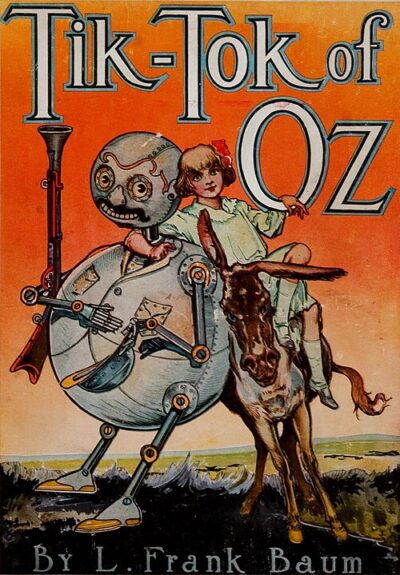
Tik-Tok of Oz is a 1914 novel by L. Frank Baum. It is part of Oz book series.
- Published
- 1914
- Written by
- L. Frank Baum
- Genre
- fantasy
- Country of origin
- United States
All 10 facts, and where they come from
Facts
10 facts · 0 confirmed by two sources · 2 cited · 8 from one source
Where this comes from
Papalocal keeps its own record. It started from these sources; what each one said is kept here as it was copied, so a change on their side never changes this page by itself. Tap one to read its version.
What Wikidata says · copied November 16, 2026 · revision 2564451458
- Described as
- 1914 novel by L. Frank Baum
- What it is
- literary work
- Written by
- L. Frank Baum · 1 reference
- Publisher
- The Reilly & Britton Co.
- Genre
- fantasy
- Published
- 1914 · 1 reference
- Language
- English
- Country of origin
- United States
- Part of the series
- Oz book series
- Comes after
- The Patchwork Girl of Oz
- Followed by
- The Scarecrow of Oz
- Wikipedias with a page
- 10
Wikidata item Q7801858 (wikidata.org/wiki/Q7801858), public domain (CC0). Copied 2026-11-16.
What Wikipedia says · copied November 16, 2026 · revision 1384226880
Tik-Tok of Oz is the eighth book in the Oz series written by L. Frank Baum, published on June 19, 1914. The book has little to do with Tik-Tok and is primarily the quest of the Shaggy Man (introduced in The Road to Oz) to rescue his brother, and his resulting conflict with the Nome King. The book was based on Baum's play The Tik-Tok Man of Oz, which was produced in Los Angeles in spring 1913. It was followed by The Scarecrow of Oz (1915).
The endpapers of the first edition held maps: one of Oz itself, and one of the continents on which Oz and its neighboring countries belonged. These were the first maps printed of Oz.
From the Wikipedia article “Tik-Tok of Oz” (en.wikipedia.org/wiki/Tik-Tok_of_Oz), by its contributors, under CC BY-SA 4.0 (creativecommons.org/licenses/by-sa/4.0/). Copied 2026-11-16; not changed.
Confirmed Two sources agree. Cited One source, and it names where it got it. One source One source, without a reference of its own. Sources disagree The sources disagree. We show the best-supported value and keep theirs below.
Picture: John R. Neill, via Wikimedia Commons · Public domain