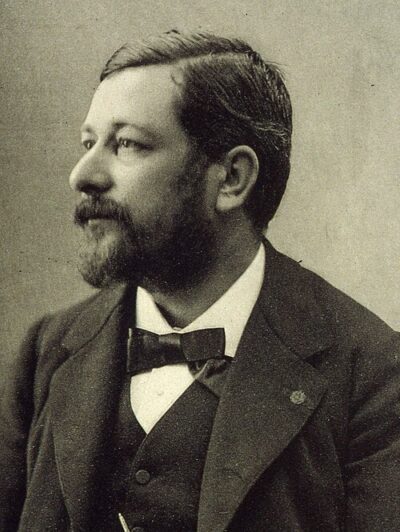
Tisserand's criterion
Tisserand's criterion is a criterion to match an observed orbiting body with previous observations.
All 3 facts, and where they come from
Facts
3 facts · 0 confirmed by two sources · 0 cited · 3 from one source
Where this comes from
Papalocal keeps its own record. It started from these sources; what each one said is kept here as it was copied, so a change on their side never changes this page by itself. Tap one to read its version.
What Wikidata says · copied November 18, 2026 · revision 2453554180
- Described as
- criterion to match an observed orbiting body with previous observations
- What it is
- formula; physical theory
- Named after
- Félix Tisserand
- Wikipedias with a page
- 3
Wikidata item Q6283877 (wikidata.org/wiki/Q6283877), public domain (CC0). Copied 2026-11-18.
What Wikipedia says · copied November 18, 2026 · revision 1362630889
Tisserand's criterion is used to determine whether or not an observed orbiting body, such as a comet or an asteroid, is the same as a previously observed orbiting body.
While all the orbital parameters of an object orbiting the Sun during the close encounter with another massive body (e.g. Jupiter) can be changed dramatically, the value of a function of these parameters, called Tisserand's relation (due to Félix Tisserand) is approximately conserved, making it possible to recognize the orbit after the encounter.
From the Wikipedia article “Tisserand's criterion” (en.wikipedia.org/wiki/Tisserand's_criterion), by its contributors, under CC BY-SA 4.0 (creativecommons.org/licenses/by-sa/4.0/). Copied 2026-11-18; not changed.
Confirmed Two sources agree. Cited One source, and it names where it got it. One source One source, without a reference of its own. Sources disagree The sources disagree. We show the best-supported value and keep theirs below.