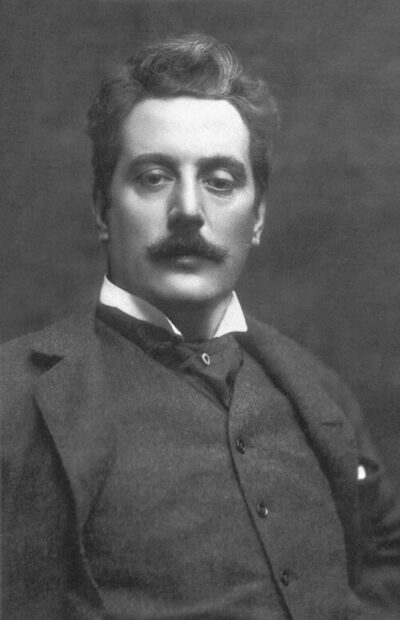
Tosca
Tosca is an opera in three acts, composed by Giacomo Puccini. It came out in 1900. It is based on La Tosca.
- Released
- 1900
- Came out
- 1898
- Genre
- opera
- Country of origin
- Italy
All 8 facts, and where they come from
Facts
8 facts · 0 confirmed by two sources · 2 cited · 6 from one source
Where this comes from
Papalocal keeps its own record. It started from these sources; what each one said is kept here as it was copied, so a change on their side never changes this page by itself. Tap one to read its version.
What Wikidata says · copied November 17, 2026 · revision 2536270739
- Described as
- opera in three acts, composed by Giacomo Puccini
- What it is
- dramatico-musical work
- Music by
- Giacomo Puccini · 1 reference
- Genre
- opera · 1 reference
- Released
- 1900
- Language
- Italian
- Country of origin
- Italy
- Based on
- La Tosca
- Came out
- 1898
- Wikipedias with a page
- 61
Wikidata item Q192941 (wikidata.org/wiki/Q192941), public domain (CC0). Copied 2026-11-17.
What Wikipedia says · copied November 17, 2026 · revision 1381030929
Tosca is an opera in three acts by Giacomo Puccini to an Italian libretto by Luigi Illica and Giuseppe Giacosa. It premiered at the Teatro Costanzi in Rome on 14 January 1900. The work, based on Victorien Sardou's 1887 French-language dramatic play, La Tosca, is a melodramatic piece set in Rome in June 1800, with the Kingdom of Naples's control of Rome threatened by Napoleon's invasion of Italy. It contains depictions of torture, murder, and suicide, as well as some of Puccini's best-known lyrical arias.
Puccini saw Sardou's play when it was touring Italy in 1889 and, after some vacillation, obtained the rights to turn the work into an opera in 1895. Turning the wordy French play into a succinct Italian opera took four years, during which the composer repeatedly argued with his librettists and publisher. Tosca premiered at a time of unrest in Rome, and its first performance was delayed for a day for fear of disturbances. Despite indifferent reviews from the critics, the opera was an immediate success with the public.
Musically, Tosca is structured as a through-composed work, with arias, recitative, choruses and other elements musically woven into a seamless whole. Puccini used Wagnerian leitmotifs to identify characters, objects and ideas. While critics have often dismissed the opera as a facile melodrama with confusions of plot—musicologist Joseph Kerman famously called it a "shabby little shocker"—the power of its score and the inventiveness of its orchestration have been widely acknowledged. The dramatic force of Tosca and its characters continues to fascinate both performers and audiences, and the work remains one of the most frequently performed operas. Many recordings of the work have been issued, both of studio and live performances.
From the Wikipedia article “Tosca” (en.wikipedia.org/wiki/Tosca), by its contributors, under CC BY-SA 4.0 (creativecommons.org/licenses/by-sa/4.0/). Copied 2026-11-17; not changed.
Confirmed Two sources agree. Cited One source, and it names where it got it. One source One source, without a reference of its own. Sources disagree The sources disagree. We show the best-supported value and keep theirs below.
Picture: Wikimedia Commons: Tosca (1899, untouched).jpg · See Commons file page