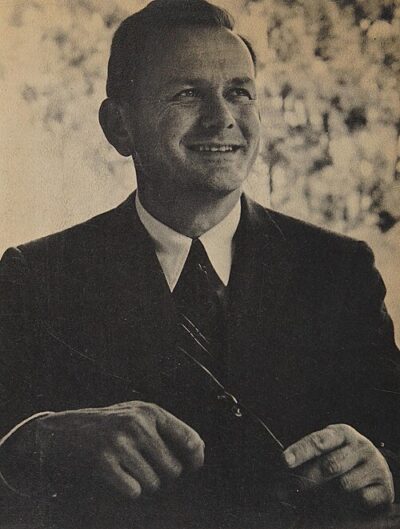
tragedy of the commons
Tragedy of the commons is a self-interests causing depletion of a shared resource. It came out in 1968.
- Released
- 1968
All 5 facts, and where they come from
Facts
5 facts · 0 confirmed by two sources · 0 cited · 5 from one source
Where this comes from
Papalocal keeps its own record. It started from these sources; what each one said is kept here as it was copied, so a change on their side never changes this page by itself. Tap one to read its version.
What Wikidata says · copied November 17, 2026 · revision 2532202262
- Described as
- self-interests causing depletion of a shared resource
- What it is
- economic theory; economic term; failure mode
- Released
- 1968
- Named after
- The Tragedy of the Commons
- Wikipedias with a page
- 43
Wikidata item Q334622 (wikidata.org/wiki/Q334622), public domain (CC0). Copied 2026-11-17.
What Wikipedia says · copied November 17, 2026 · revision 1383625017
The tragedy of the commons is the idea that when a resource is shared and can benefit the individual at a cost to the community, it is rational for the individual to overuse the resource, even though this collectively leads to the depletion of the resource for everyone. The concept has been widely discussed and criticized in economics, ecology, and other sciences.
The metaphorical term is the title of a 1968 essay by ecologist, microbiologist and ethno-nationalist Garrett Hardin. Versions of this concept extend back to classical antiquity, being discussed by Aristotle. The principal concern of Hardin's essay was overpopulation of the planet. To prevent the inevitable tragedy (he argued) it was necessary to reject the principle (supposedly enshrined in the Universal Declaration of Human Rights) according to which every family has a right to choose the number of its offspring, and to replace it by "mutual coercion, mutually agreed upon". On the same grounds, Hardin argued that rich countries should adopt lifeboat ethics ending aid to the poor and stopping migration from poor countries.
Some scholars have argued that over-exploitation of the common resource is by no means inevitable, since the individuals concerned may be able to achieve mutual restraint by consensus. Others have contended that the metaphor of a common pasture is inapposite or inaccurate because its exemplar – unfettered access to common land – did not exist historically, the right to exploit common land being controlled by law. The work of Elinor Ostrom, who received the Nobel Prize in Economics, is seen by some economists as having refuted Hardin's claims. Hardin's views on over-population have been criticised as simplistic, eugenicist, and racist.
From the Wikipedia article “Tragedy of the commons” (en.wikipedia.org/wiki/Tragedy_of_the_commons), by its contributors, under CC BY-SA 4.0 (creativecommons.org/licenses/by-sa/4.0/). Copied 2026-11-17; not changed.
Confirmed Two sources agree. Cited One source, and it names where it got it. One source One source, without a reference of its own. Sources disagree The sources disagree. We show the best-supported value and keep theirs below.