TVXQ
TVXQ is a South Korean pop group. It was founded in 2003.
- Founded
- 2003
All 11 facts, and where they come from
Facts
11 facts · 0 confirmed by two sources · 0 cited · 11 from one source
Where this comes from
Papalocal keeps its own record. It started from these sources; what each one said is kept here as it was copied, so a change on their side never changes this page by itself. Tap one to read its version.
What Wikidata says · copied November 17, 2026 · revision 2561651354
- Described as
- South Korean pop group
- Other names
- Dong Bang Shin Ki, Dongbangshingi, Dongbangshinki, Tongvfangxienqi, Dong Bang Sin Gi, Dong Bang Sin Ki, Dongbangsingi, Dongbangsinki, DBSK, DBSG, TVfXQ!, Touhoushinki
- What it is
- boy band; musical duo
- Genre
- pop music; rhythm and blues; dance music; K-pop
- Country of origin
- South Korea
- Record label
- SM Entertainment; Avex Trax
- Founded
- 2003
- Official website
- https://toho-jp.net/
- Wikipedias with a page
- 44
Wikidata item Q192983 (wikidata.org/wiki/Q192983), public domain (CC0). Copied 2026-11-17.
What Wikipedia says · copied November 17, 2026 · revision 1385665931
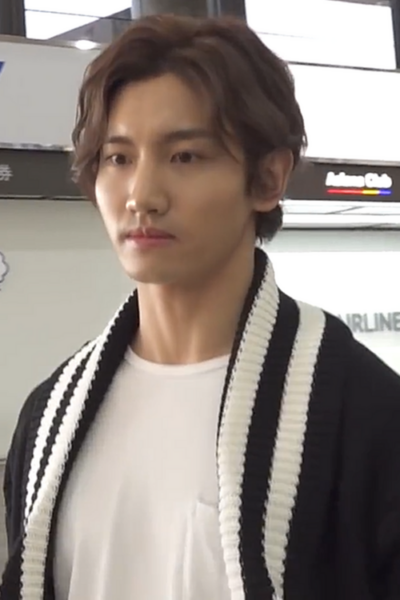
TVXQ (stylized as TVXQ!; Korean: 동방신기; lit. 'Rising Gods of the East'), also known as Tohoshinki (東方神起) in Japan, is a South Korean duo formed by SM Entertainment, composed of U-Know Yunho and Max Changmin. On January 25 and 26, 2011, Yunho and Changmin began their activities as the duo TVXQ, starting with "SMTOWN LIVE"—a joint concert organized by SM Entertainment that marked the event's debut in Japan.
Originally formed in 2003 as a five-member boy band which also consisted of members Hero Jaejoong, Micky Yoochun, and Xiah Junsu, TVXQ debuted with their first single "Hug" (2004). Their first four albums as a quintet, Tri-Angle (2004), Rising Sun (2005), "O"-Jung.Ban.Hap. (2006), and Mirotic (2008), received chart-topping commercial success in South Korea, with the latter winning the Golden Disk Award for Album of the Year. Mirotic's title track was recognized by international music critics as a staple in K-pop. They were one of the first Korean artists to lead the Korean Wave in Japan, where they were propelled to mainstream stardom following the release of their fourth Japanese album The Secret Code (2009).
However, despite their commercial success, the band was plunged into legal turmoil and internal conflict when members Jaejoong, Yoochun, and Junsu attempted to split from their Korean agency SM Entertainment. They released their last Japanese album as a quintet, Best Selection 2010 prior to the trio's departure in 2010. It became the band's first album to top the Oricon Albums Chart. Two previously released songs on the album, One Piece theme song, "Share the World" (2009), were platinum-selling.
After a year-long hiatus, TVXQ returned as a duo with their fifth Korean album Keep Your Head Down (2011), topping album charts in most major Asian markets upon release. Their first two Japanese albums as a duo, Tone (2011) and Time (2013), solidified their success in Japan as it forged TVXQ's reputation as one of the top-touring artists in the country. Their tenth Japanese album XV (2019) made TVXQ the first foreign music act in Japan to have six number-one albums in a row.
Having sold over 10 million physical records in the first 10 years of their career, TVXQ are one of Asia's most successful music acts of their generation. They are sometimes referred to as "Asia's Stars" and the "Kings of K-pop" for their immense success and contributions to the Korean Wave. According to Oricon, TVXQ have the most number-one singles and albums for a foreign artist in Japan, and are Japan's best-selling foreign artist of all time. Their Time Tour, one of the highest-grossing concert tours of 2013, broke attendance records for foreign singers in Japan until 2017, when TVXQ broke their own record with their Begin Again Tour. TVXQ are the first non-Japanese Asian artists to headline a nationwide five-Dome tour and the first foreign artists to headline the Nissan Stadium. Billboard has described the band as "K-pop royalty." TVXQ held a successful 3-day performance at Tokyo Dome on April 27, 2025 to commemorate their 20th anniversary.
From the Wikipedia article “TVXQ” (en.wikipedia.org/wiki/TVXQ), by its contributors, under CC BY-SA 4.0 (creativecommons.org/licenses/by-sa/4.0/). Copied 2026-11-17; not changed.
Confirmed Two sources agree. Cited One source, and it names where it got it. One source One source, without a reference of its own. Sources disagree The sources disagree. We show the best-supported value and keep theirs below.
Picture: Wikimedia Commons: 180320 동방신기 02.jpg · See Commons file page