
United States federal judge
The United States federal judge is a position in the United States.
- Office of
- United States
- Country
- United States
All 3 facts, and where they come from
Facts
3 facts · 0 confirmed by two sources · 0 cited · 3 from one source
Where this comes from
Papalocal keeps its own record. It started from these sources; what each one said is kept here as it was copied, so a change on their side never changes this page by itself. Tap one to read its version.
What Wikidata says · copied November 17, 2026 · revision 2570069916
- Described as
- position in the United States
- Other names
- US federal judge, U.S. federal judge
- What it is
- position
- Country
- United States
- Office of
- United States
- Wikipedias with a page
- 14
Wikidata item Q1006696 (wikidata.org/wiki/Q1006696), public domain (CC0). Copied 2026-11-17.
What Wikipedia says · copied November 17, 2026 · revision 1385678315
In the United States, a federal judge is a judge who serves on a court established under Article Three of the U.S. Constitution. Often called "Article III judges", federal judges include the chief justice and associate justices of the U.S. Supreme Court, circuit judges of the U.S. courts of appeals, district judges of the U.S. district courts, and judges of the U.S. Court of International Trade.
Federal judges are not elected officials, unlike the president, vice president, U.S. senators, and U.S. representatives. They are nominated by the president and confirmed by the Senate. The Constitution gives federal judges life tenure, and they hold their seats until they die, resign, or are removed from office through impeachment.
Although they are sometimes called "federal judges", the term technically does not extend to U.S. magistrate judges or the judges of lesser federal tribunals such as the U.S. Bankruptcy Courts, the U.S. Court of Federal Claims, the U.S. Court of Appeals for the Armed Forces, the U.S. Court of Appeals for Veterans Claims, the U.S. Tax Court, and other "Article One tribunals". These judges do not have life tenure, and their authority derives from Congress via Article One of the Constitution, not independently via Article Three. These judges are often known as "Article I judges". The term is also not applied to the administrative law judges of federal government agencies located within the executive branch.
From the Wikipedia article “United States federal judge” (en.wikipedia.org/wiki/United_States_federal_judge), by its contributors, under CC BY-SA 4.0 (creativecommons.org/licenses/by-sa/4.0/). Copied 2026-11-17; not changed.
Confirmed Two sources agree. Cited One source, and it names where it got it. One source One source, without a reference of its own. Sources disagree The sources disagree. We show the best-supported value and keep theirs below.
People connected 4
Held this office
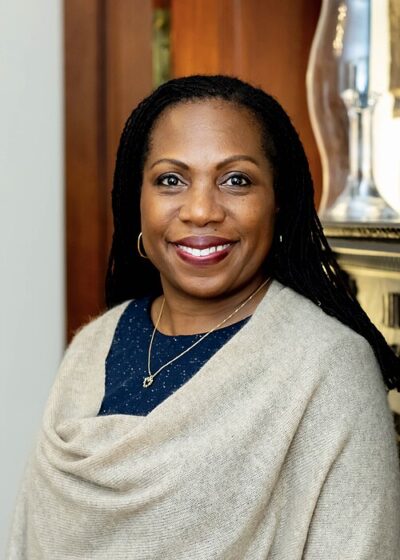 Ketanji Brown Jackson (2013–2021)American lawyer and jurist (born 1970)
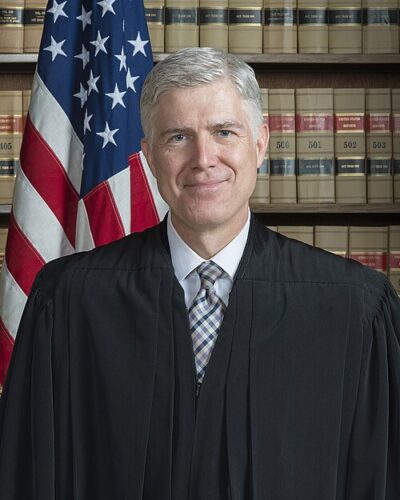 Neil GorsuchAssociate Justice of the Supreme Court of the United States since 2017 (born 1967)
 John DaviesAustralian swimmer, Olympic gold medallist, U.S. federal judge (1929–2020)
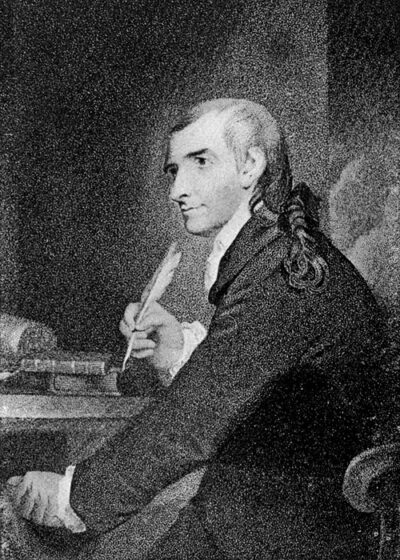 Francis HopkinsonAmerican politician, judge, and author 1737-1791
