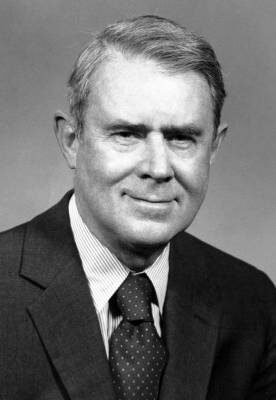
United States Secretary of the Army
The United States Secretary of the Army is a civilian official who oversees the Army. It was created in 1947.
- Office of
- United States
- Country
- United States
- Created
- September 18, 1947
All 5 facts, and where they come from
Facts
5 facts · 0 confirmed by two sources · 1 cited · 4 from one source
Where this comes from
Papalocal keeps its own record. It started from these sources; what each one said is kept here as it was copied, so a change on their side never changes this page by itself. Tap one to read its version.
What Wikidata says · copied November 17, 2026 · revision 2569320932
- Described as
- civilian official who oversees the Army
- Other names
- SECARMY
- What it is
- position
- Created
- September 18, 1947
- Country
- United States · 1 reference
- Office of
- United States
- Official website
- http://www.army.mil/leaders/sa/
- Wikipedias with a page
- 19
Wikidata item Q1591470 (wikidata.org/wiki/Q1591470), public domain (CC0). Copied 2026-11-17.
What Wikipedia says · copied November 17, 2026 · revision 1378952127
The secretary of the Army (SA or SECARMY) is a senior civilian official within the United States Department of Defense, with statutory responsibility for all matters relating to the United States Army: manpower, personnel, reserve affairs, installations, environmental issues, weapons systems and equipment acquisition, communications and financial management.
The secretary of the Army is nominated by the president of the United States and confirmed by the United States Senate. They are a non-Cabinet-level official, subordinate to the secretary of defense. The position was created on September 18, 1947, replacing the secretary of war, when the Department of War was split into the Department of the Army and Department of the Air Force.
From the Wikipedia article “United States Secretary of the Army” (en.wikipedia.org/wiki/United_States_Secretary_of_the_Army), by its contributors, under CC BY-SA 4.0 (creativecommons.org/licenses/by-sa/4.0/). Copied 2026-11-17; not changed.
Confirmed Two sources agree. Cited One source, and it names where it got it. One source One source, without a reference of its own. Sources disagree The sources disagree. We show the best-supported value and keep theirs below.