
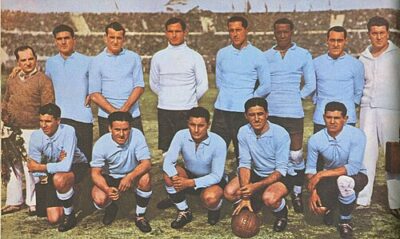
Uruguay men's national football team
Uruguay men's national football team is men's national association football team representing AUF. Its home is Estadio Centenario. Its head coach is Diego Forlán.
- Sport
- association football
- Home venue
- Estadio Centenario
- Head coach
- Diego Forlán (2026–)
All 7 facts, and where they come from
Facts
7 facts · 0 confirmed by two sources · 1 cited · 6 from one source
Where this comes from
Papalocal keeps its own record. It started from these sources; what each one said is kept here as it was copied, so a change on their side never changes this page by itself. Tap one to read its version.
What Wikidata says · copied November 17, 2026 · revision 2555978080
- Described as
- men's national association football team representing AUF
- Other names
- La Celeste, Uruguay national football team
- What it is
- men's national association football team
- Country
- Uruguay
- Owned by
- Uruguayan Football Association
- Sport
- association football
- Home venue
- Estadio Centenario
- Head coach
- Marcelo Broli (2023)
- Official website
- https://www.auf.org.uy/mayores/
- Wikipedias with a page
- 94
Wikidata item Q134916 (wikidata.org/wiki/Q134916), public domain (CC0). Copied 2026-11-17.
What Wikipedia says · copied November 17, 2026 · revision 1386194146
The Uruguay national football team has represented Uruguay in men's international football since 1902 and is administered by the Uruguayan Football Association (AUF), the governing body of football in Uruguay, which is a founding member of CONMEBOL since 1916 and a member of FIFA since 1923. It was also a member of PFC, which was the attempt at a unified confederation of the Americas from 1946 to 1961. They play their home matches primarily at the Estadio Centenario, though they also occasionally play in the Estadio Campeón del Siglo and Gran Parque Central.
Uruguay is widely regarded as one of the most accomplished national teams in international football; FIFA described Uruguay in a 2024 article as "football's first global powerhouse." Uruguay has won four world FIFA–organized championships in their history: two Olympic tournaments and two FIFA World Cups. Their first two senior world titles came from the former, at the 1924 and 1928 Summer Olympics, both events that were directly organized by FIFA as open tournaments that included professionals. Uruguay subsequently claimed its third consecutive world title in 1930 by winning the inaugural FIFA World Cup on home soil. The nation secured its fourth title at the 1950 FIFA World Cup. On account of these achievements, the Uruguayan national team displays four five-pointed stars approved by FIFA on its football crest. Uruguay were unbeaten in world championship matches from the 1924 Olympics until their semi-final loss in the 1954 FIFA World Cup, marking a 30-year unbeaten streak, having chosen to opt out of the 1934 and 1938 FIFA World Cups. In addition, Uruguay won the 1980 World Champions' Gold Cup, held to commemorate the FIFA World Cup’s 50th anniversary and officially recognized by FIFA, making it the only national team to receive this distinction. In regional competitions, Uruguay have won the Copa América on 15 occasions, winning the inaugural edition in 1916, second only to Argentina for the most titles in the tournament's history, with their most recent title in 2011. As of 2025, based on international senior official titles, Uruguay have won the second most major trophies, also behind Argentina.
Throughout their history, Uruguay has consistently performed well in global football rankings, achieving their highest FIFA World Ranking of 2nd place in June 2012. In the World Football Elo Ratings, they have reached the top spot on multiple occasions. Uruguay has also developed many rivalries through the years, most notably with neighboring countries Argentina (known as the Clásico del Río de la Plata) based on their geographical location and cultural/historical similarities, and Brazil (known as the Clásico del Río Negro), in part to the 1950 FIFA World Cup final.
From the Wikipedia article “Uruguay national football team” (en.wikipedia.org/wiki/Uruguay_national_football_team), by its contributors, under CC BY-SA 4.0 (creativecommons.org/licenses/by-sa/4.0/). Copied 2026-11-17; not changed.
Confirmed Two sources agree. Cited One source, and it names where it got it. One source One source, without a reference of its own. Sources disagree The sources disagree. We show the best-supported value and keep theirs below.
Picture: Unknown author, via Wikimedia Commons · Public domain
People connected 171
Played for this team 171
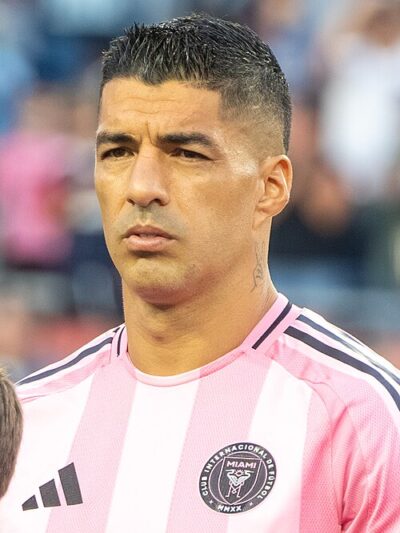 Luis Suárez (2007–2024)Uruguayan association football player
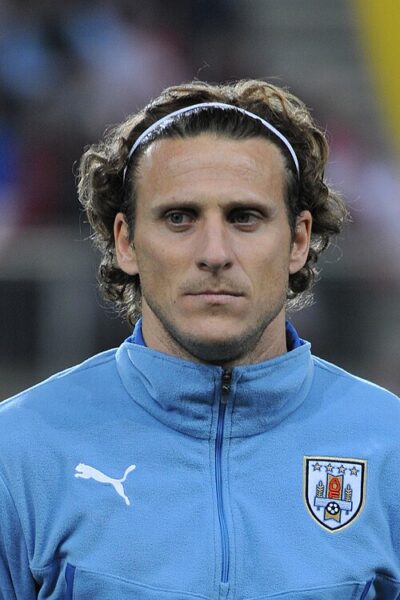 Diego Forlán (2002–2014)Uruguayan association football player and manager (born 1979)
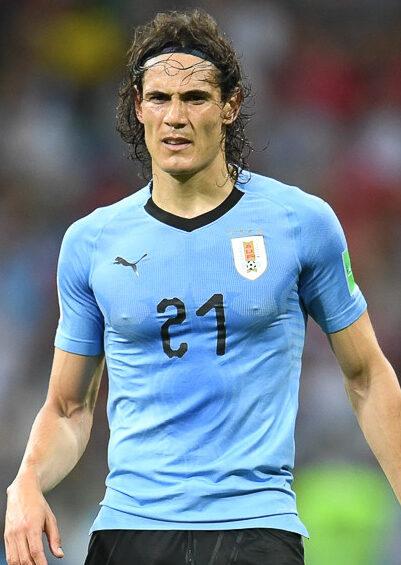 Edinson Cavani (2008–2024)Uruguayan association football player
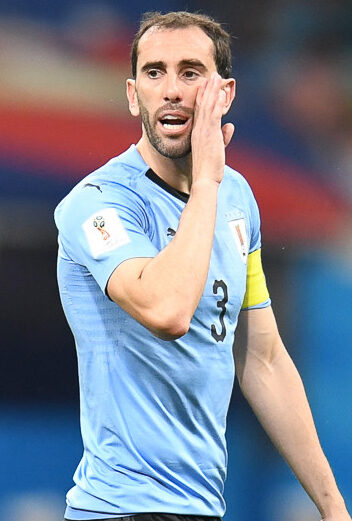 Diego Godín (2005–2022)Uruguayan association football player (born 1986)
 Bastian Cordoba torres santos (2017–)Futbolista uruguayo
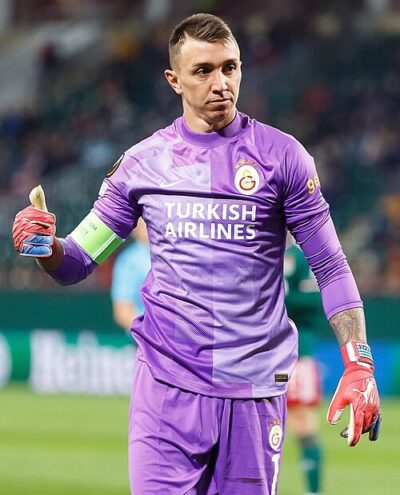 Fernando Muslera (2009–)Uruguayan footballer
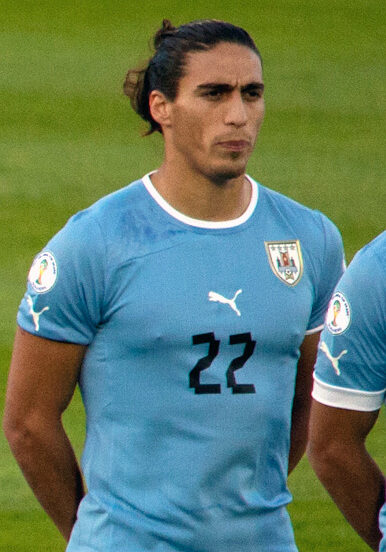 Martín Cáceres (2007–2022)Uruguayan footballer
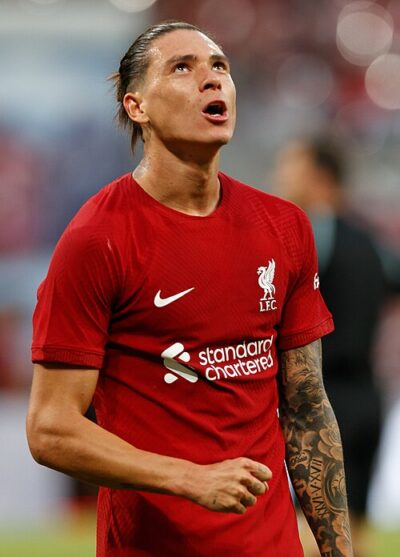 Darwin Núñez (2019–)Uruguayan association football player
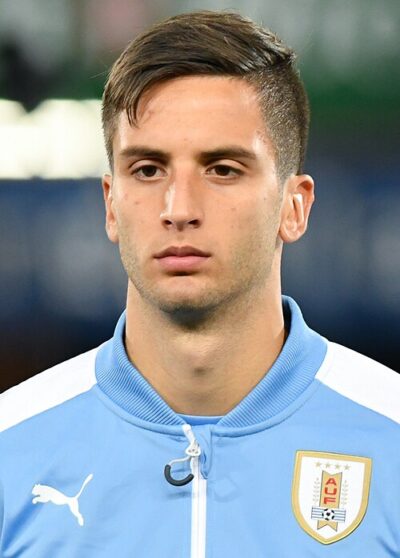 Rodrigo Bentancur (2017–)Uruguayan association football player
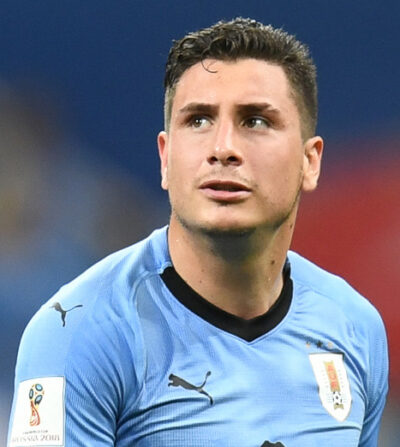 José María Giménez (2013–)Uruguayan association football player
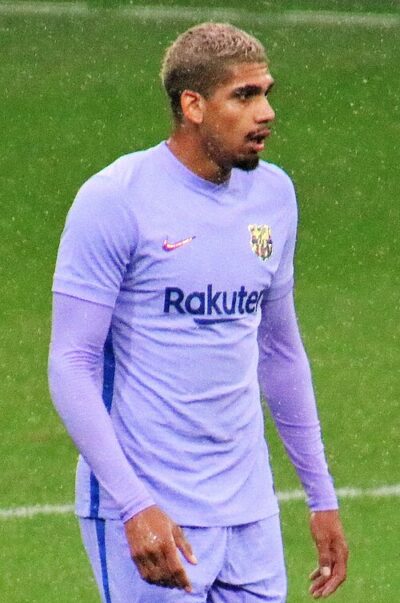 Ronald Araújo (2020–)Uruguayan footballer
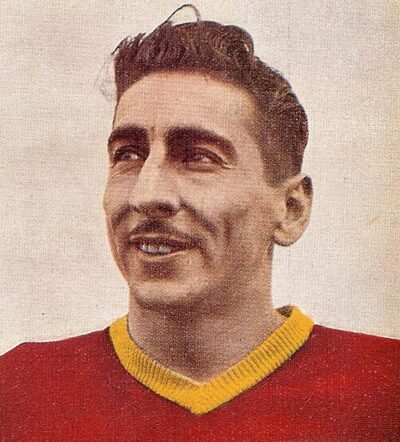 Alcides Ghiggia (1950–1952)Uruguayan footballer (1926-2015)
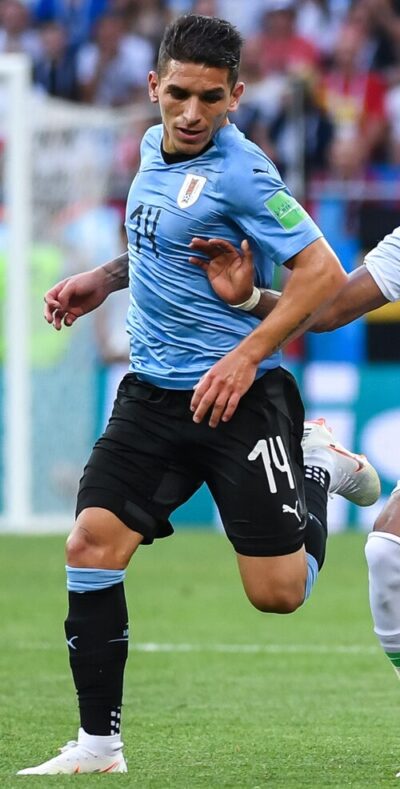 Lucas Torreira (2018–)Uruguayan footballer
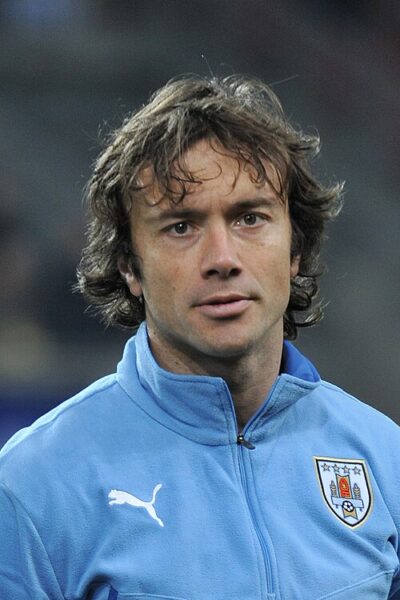 Diego Lugano (2003–2014)Uruguayan footballer
 Enzo Francescoli (1982–1997)Uruguayan footballer
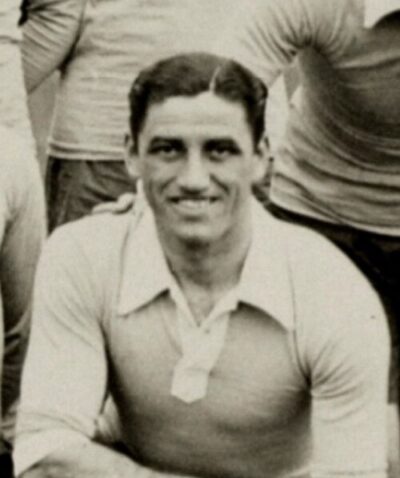 Pedro Cea (1923–1932)Uruguayan footballer (1900-1970)
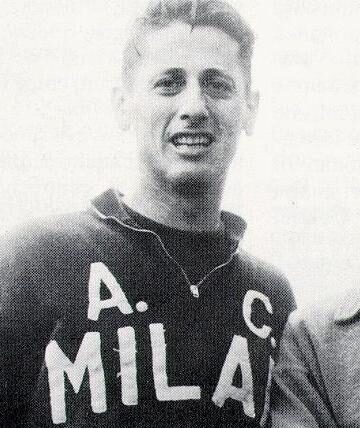 Juan Alberto Schiaffino (1946–1954)Uruguayan association football player (1925-2002)
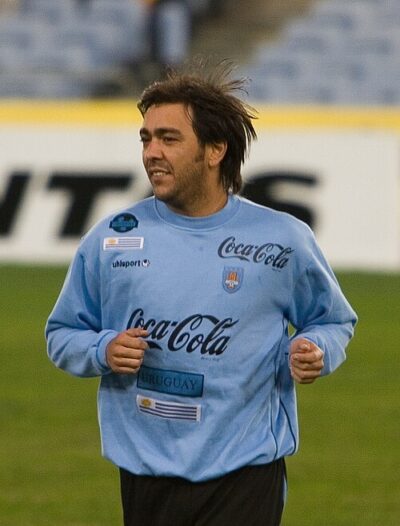 Álvaro Recoba (1995–2007)Uruguayan footballer
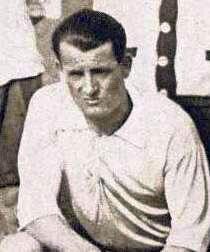 José Nasazzi (1923–1937)Uruguayan footballer (1901-1968)
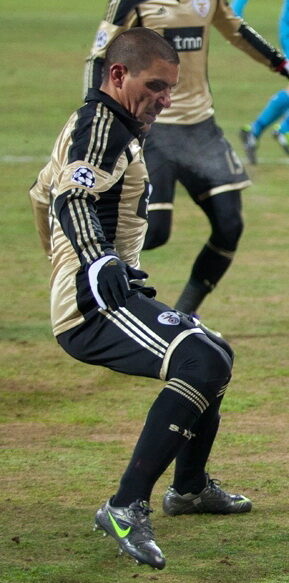 Maxi Pereira (2005–2018)Uruguayan association football player
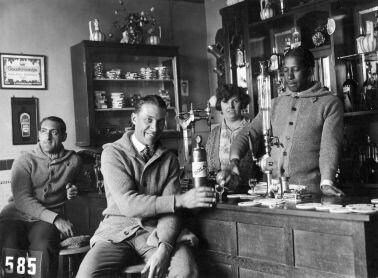 José Leandro Andrade (1923–1930)Uruguayan footballer
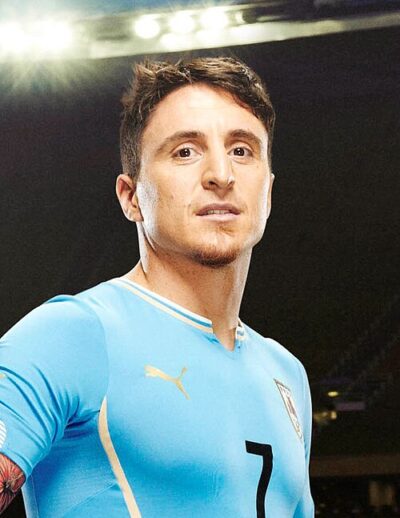 Cristian Rodríguez (2003–2018)Uruguayan footballer
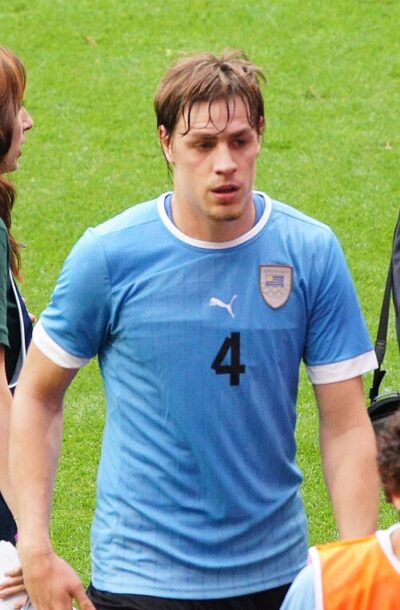 Sebastián Coates (2011–2023)Uruguayan association football player
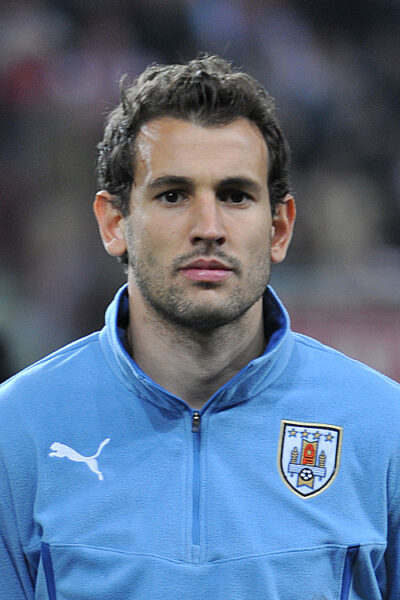 Cristhian Stuani (2012–2019)Uruguayan footballer
and 147 more
