USBWA Most Courageous Award
USBWA Most Courageous Award is an US college basketball award. It was created in 1978.
- Country
- United States
- Created
- 1978
All 5 facts, and where they come from
Facts
5 facts · 0 confirmed by two sources · 0 cited · 5 from one source
Where this comes from
Papalocal keeps its own record. It started from these sources; what each one said is kept here as it was copied, so a change on their side never changes this page by itself. Tap one to read its version.
What Wikidata says · copied November 17, 2026 · revision 2111118052
- Described as
- US college basketball award
- Other names
- Pat Summitt Most Courageous Award, Perry Wallace Most Courageous Award
- What it is
- award
- Created
- 1978
- Country
- United States
- Sport
- basketball
- Official website
- http://www.sportswriters.net/usbwa/awards/courageous/index.html
- Wikipedias with a page
- 1
Wikidata item Q23055174 (wikidata.org/wiki/Q23055174), public domain (CC0). Copied 2026-11-17.
What Wikipedia says · copied November 17, 2026 · revision 1383579066
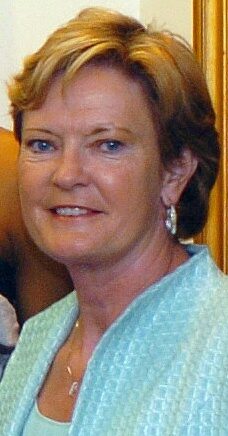
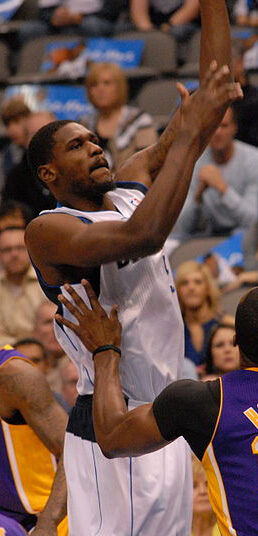
The USBWA Most Courageous Awards are two annual basketball awards given by the U.S. Basketball Writers Association (USBWA) to a player, coach, official or administrator who have "demonstrated extraordinary courage reflecting honor on the sport of amateur basketball." Since 2012, the women's version of the award has been named the Pat Summitt Most Courageous Award in honor of the legendary Tennessee women's coach who received the award that year. Effective with the 2021 awards, the men's version became known as the Perry Wallace Most Courageous Award in honor of the Vanderbilt player who was the first African-American basketball player in the Southeastern Conference.
From the Wikipedia article “USBWA Most Courageous Award” (en.wikipedia.org/wiki/USBWA_Most_Courageous_Award), by its contributors, under CC BY-SA 4.0 (creativecommons.org/licenses/by-sa/4.0/). Copied 2026-11-17; not changed.
Confirmed Two sources agree. Cited One source, and it names where it got it. One source One source, without a reference of its own. Sources disagree The sources disagree. We show the best-supported value and keep theirs below.