Vaps Movement
The Vaps Movement is a political party in Estonia. It was founded in 1929. Its headquarters are in Tallinn. It stands for nationalism and anti-communism.
- Country
- Estonia
- Founded
- 1929
- Ideology
- nationalism
- Chair
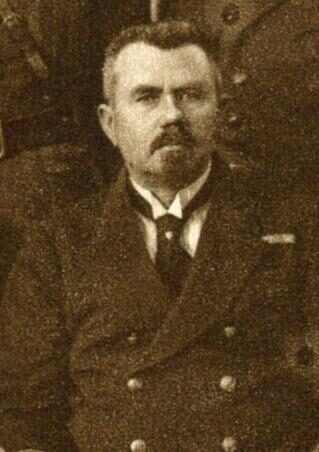
- Andres Larka (1929–1936)
All 9 facts, and where they come from
Facts
9 facts · 0 confirmed by two sources · 2 cited · 7 from one source
Where this comes from
Papalocal keeps its own record. It started from these sources; what each one said is kept here as it was copied, so a change on their side never changes this page by itself. Tap one to read its version.
What Wikidata says · copied November 19, 2026 · revision 2558522697
- Described as
- political party in Estonia
- What it is
- political party
- Founded
- 1929
- Ended
- December 1935
- Headquarters
- Tallinn (1931–1935)
- Country
- Estonia · 1 reference
- Chair
- Andres Larka (1929–1936) · 1 reference; Artur Sirk (1929–1934) · 1 reference
- Ideology
- nationalism; anti-communism
- Wikipedias with a page
- 24
Wikidata item Q631241 (wikidata.org/wiki/Q631241), public domain (CC0). Copied 2026-11-19.
What Wikipedia says · copied November 19, 2026 · revision 1383676820
The Vaps Movement, officially known as the Union of Participants in the Estonian War of Independence (Estonian: Eesti Vabadussõjalaste Keskliit, later Eesti Vabadussõjalaste Liit), was a far-right and authoritarian Estonian political organization, whose members were commonly called Vaps (vabadussõjalased, or colloquially vapsid; singular: vaps). Founded in 1929, born out of associations of veterans of the Estonian War of Independence, it emerged as a radical right-wing popular movement. The leaders of this association were Andres Larka (formal figurehead and presidential candidate) and Artur Sirk.
From the Wikipedia article “Vaps Movement” (en.wikipedia.org/wiki/Vaps_Movement), by its contributors, under CC BY-SA 4.0 (creativecommons.org/licenses/by-sa/4.0/). Copied 2026-11-19; not changed.
Confirmed Two sources agree. Cited One source, and it names where it got it. One source One source, without a reference of its own. Sources disagree The sources disagree. We show the best-supported value and keep theirs below.