Waiting for the Wild Beasts to Vote
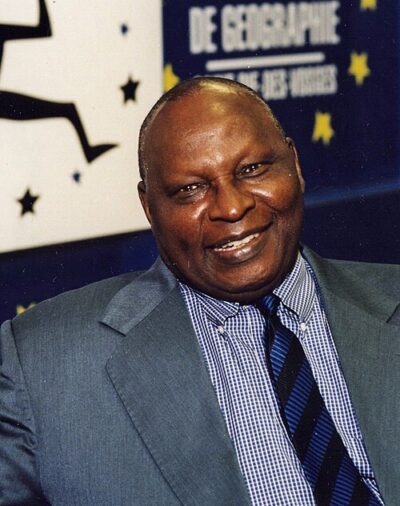
Waiting for the Wild Beasts to Vote is a 1998 novel by Ahmadou Kourouma.
- Published
- August 26, 1998
- Written by
- Ahmadou Kourouma
- Genre
- récit
- Country of origin
- Ivory Coast
All 7 facts, and where they come from
Facts
7 facts · 0 confirmed by two sources · 1 cited · 6 from one source
Where this comes from
Papalocal keeps its own record. It started from these sources; what each one said is kept here as it was copied, so a change on their side never changes this page by itself. Tap one to read its version.
What Wikidata says · copied November 17, 2026 · revision 2496142062
- Described as
- 1998 novel by Ahmadou Kourouma
- What it is
- literary work
- Written by
- Ahmadou Kourouma · 1 reference
- Genre
- récit
- Published
- August 26, 1998
- Language
- French
- Country of origin
- Ivory Coast
- Followed by
- Allah Is Not Obliged
- Wikipedias with a page
- 2
Wikidata item Q3053480 (wikidata.org/wiki/Q3053480), public domain (CC0). Copied 2026-11-17.
What Wikipedia says · copied November 17, 2026 · revision 1354495876
Waiting for the Wild Beasts to Vote (French: En attendant le vote des bêtes sauvages) is a satirical French-language novel by the Ivorian writer Ahmadou Kourouma, published in 1998. It was first translated as Waiting for the Vote of the Wild Animals by Carrol F. Coates (University of Virginia Press, 2001) and later by Frank Wynne as Waiting for the Wild Beasts to Vote (Heinemann, 2003). The novel won the Prix Tropiques (1998), the Grand prix Poncetton (1998) and the Prix du Livre Inter (1999).
The story is about the rise of the master hunter Koyaga and his rule as President of the République du Golfe during the Cold War. Koyaga manages to stay in power for more than thirty years, despite attempts to overthrow him.
The novel is structured in the form of a donsomana, a Malinké "hunter's praise song", told by a sora, that takes place in a series of six vigils. Each vigil has a theme: tradition, death, fate, power, betrayal and how all things have an end.
Koyaga and the other African leaders depicted in the novel are modelled after real African leaders of the second half of the 20th century. Additionally, Susan Gorman has drawn parallels between the novel and elements of the Sunjata epic.
From the Wikipedia article “Waiting for the Wild Beasts to Vote” (en.wikipedia.org/wiki/Waiting_for_the_Wild_Beasts_to_Vote), by its contributors, under CC BY-SA 4.0 (creativecommons.org/licenses/by-sa/4.0/). Copied 2026-11-17; not changed.
Confirmed Two sources agree. Cited One source, and it names where it got it. One source One source, without a reference of its own. Sources disagree The sources disagree. We show the best-supported value and keep theirs below.