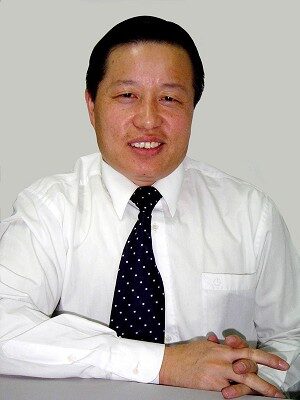
Weiquan movement
The Weiquan movement is a non-centralized group of lawyers, legal experts, and intellectuals in China.
- Country
- People's Republic of China
All 3 facts, and where they come from
Facts
3 facts · 0 confirmed by two sources · 0 cited · 3 from one source
Where this comes from
Papalocal keeps its own record. It started from these sources; what each one said is kept here as it was copied, so a change on their side never changes this page by itself. Tap one to read its version.
What Wikidata says · copied November 17, 2026 · revision 2405246933
- Described as
- non-centralized group of lawyers, legal experts, and intellectuals in China
- What it is
- social movement; group of humans
- Country
- People's Republic of China
- Wikipedias with a page
- 10
Wikidata item Q3818222 (wikidata.org/wiki/Q3818222), public domain (CC0). Copied 2026-11-17.
What Wikipedia says · copied November 17, 2026 · revision 1385914276
The Weiquan movement is a non-centralized group of lawyers, legal experts, and intellectuals in the People's Republic of China who seek to protect and defend the civil rights of the citizenry through litigation and legal activism. The movement, which began in the early 2000s, has organized demonstrations, sought reform via the legal system and media, defended victims of human rights abuses, and written appeal letters, despite opposition from the Chinese Communist Party (CCP). Among the issues adopted by Weiquan lawyers are property and housing rights, protection for AIDS victims, environmental damage, religious freedom, freedom of speech and the press, and defending the rights of other lawyers facing disbarment or imprisonment.
Individuals involved in the Weiquan movement have met with occasionally harsh reprisals from Chinese government officials, including disbarment, detention, harassment, and, in extreme instances, torture. Authorities have also responded to the movement with the launch of an education campaign on the "socialist concept of rule of law", which reasserts the role of the CCP and the primacy of political considerations in the legal profession, and with the Three Supremes, which entrenches the supremacy of the CCP in the judicial process.
According to the Human Rights Watch (HRW), Xi Jinping has "started a broad and sustained offensive on human rights" since he became General Secretary of the Chinese Communist Party in 2012. Since taking power, Xi has cracked down on grassroots activism, with hundreds being detained. He presided over the 709 crackdown on 9 July 2015, which saw more than 200 lawyers, legal assistants and human rights activists being detained. The HRW also said that repression in China is "at its worst level since the Tiananmen Square massacre."
From the Wikipedia article “Weiquan movement” (en.wikipedia.org/wiki/Weiquan_movement), by its contributors, under CC BY-SA 4.0 (creativecommons.org/licenses/by-sa/4.0/). Copied 2026-11-17; not changed.
Confirmed Two sources agree. Cited One source, and it names where it got it. One source One source, without a reference of its own. Sources disagree The sources disagree. We show the best-supported value and keep theirs below.