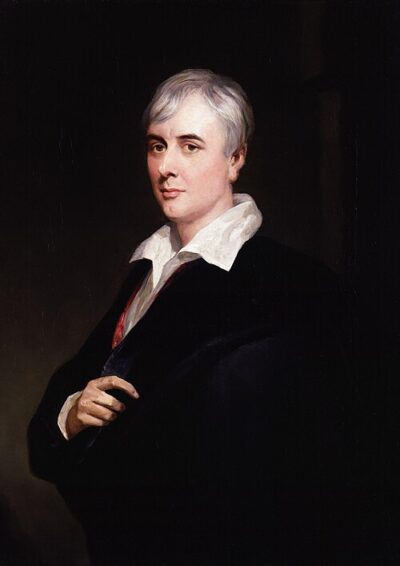
Wild Wales
Wild Wales is a book by George Borrow. It came out in 1862.
- Published
- 1862
- Written by
- George Borrow
- Country of origin
- England
All 5 facts, and where they come from
Facts
5 facts · 0 confirmed by two sources · 0 cited · 5 from one source
Where this comes from
Papalocal keeps its own record. It started from these sources; what each one said is kept here as it was copied, so a change on their side never changes this page by itself. Tap one to read its version.
What Wikidata says · copied November 17, 2026 · revision 2524244210
- Described as
- book by George Borrow
- What it is
- literary work
- Written by
- George Borrow
- Published
- 1862
- Language
- English · 1 reference
- Country of origin
- England
- Wikipedias with a page
- 3
Wikidata item Q8000838 (wikidata.org/wiki/Q8000838), public domain (CC0). Copied 2026-11-17.
What Wikipedia says · copied November 17, 2026 · revision 1384289890
Wild Wales: Its People, Language and Scenery is a travel book by the English Victorian gentleman writer George Borrow (1803–1881), first published in 1862.
The book recounts Borrow's personal experiences and insights while touring Wales alone on foot after a family holiday in Llangollen in 1854, and has come to be regarded as a source of useful information about the social and geographical history of the country at that time.
It has been described as "robust, dramatic and cheerful", and the author as "an agreeably eccentric, larger-than-life, jovial man whose laughter rings all through the book".
The author makes much of his self-taught ability to speak the Welsh language and how surprised the native Welsh people he meets and talks to are by both his linguistic abilities and his travels, education and personality, and also by his idiosyncratic pronunciation of their language.
From the Wikipedia article “Wild Wales” (en.wikipedia.org/wiki/Wild_Wales), by its contributors, under CC BY-SA 4.0 (creativecommons.org/licenses/by-sa/4.0/). Copied 2026-11-17; not changed.
Confirmed Two sources agree. Cited One source, and it names where it got it. One source One source, without a reference of its own. Sources disagree The sources disagree. We show the best-supported value and keep theirs below.