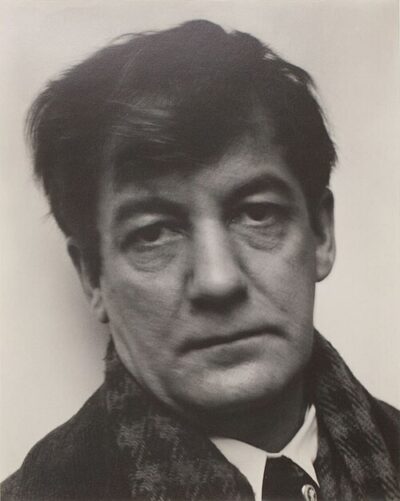
Winesburg, Ohio
Winesburg, Ohio is a short story cycle by Sherwood Anderson. It came out in 1919. It won the 20th Century's Greatest Hits: 100 English-Language Books of Fiction.
- Published
- 1919
- Written by
- Sherwood Anderson
- Genre
- short story cycle
- Country of origin
- United States
All 8 facts, and where they come from
Facts
8 facts · 0 confirmed by two sources · 0 cited · 8 from one source
Where this comes from
Papalocal keeps its own record. It started from these sources; what each one said is kept here as it was copied, so a change on their side never changes this page by itself. Tap one to read its version.
What Wikidata says · copied November 16, 2026 · revision 2528670747
- Described as
- short story cycle by Sherwood Anderson
- What it is
- literary work
- Written by
- Sherwood Anderson
- Publisher
- B. W. Huebsch
- Genre
- short story cycle
- Published
- 1919
- Language
- American English
- Country of origin
- United States
- Awards
- 20th Century's Greatest Hits: 100 English-Language Books of Fiction · 1 reference
- Wikipedias with a page
- 19
Wikidata item Q10958564 (wikidata.org/wiki/Q10958564), public domain (CC0). Copied 2026-11-16.
What Wikipedia says · copied November 16, 2026 · revision 1384225945
Winesburg, Ohio (full title: Winesburg, Ohio: A Group of Tales of Ohio Small-Town Life) is a 1919 short story cycle by the American author Sherwood Anderson. The work is structured around the life of protagonist George Willard, from the time he was a child to his growing independence and ultimate abandonment of Winesburg as a young man. It is set in the fictional town of Winesburg, Ohio (not to be confused with the actual Winesburg, Ohio), which is loosely based on Anderson's childhood memories of Clyde, Ohio.
Mostly written from late 1915 to early 1916, with a few stories completed closer to publication, they were "...conceived as complementary parts of a whole, centered in the background of a single community." The book consists of twenty-two stories, with the first story, "The Book of the Grotesque", serving as an introduction. Each of the stories shares a specific character's past and present struggle to overcome the loneliness and isolation that seem to permeate the town. Stylistically, because of its emphasis on the psychological insights of characters over plot, and plainspoken prose, Winesburg, Ohio is known as one of the earliest works of Modernist literature.
Winesburg, Ohio was received well by critics despite some reservations about its moral tone and unconventional storytelling. Though its reputation waned in the 1930s, it has since rebounded and is now considered one of the most influential portraits of pre-industrial small-town life in the United States.
In 1998, the Modern Library ranked Winesburg, Ohio 24th on its list of the 100 best English-language novels of the 20th century.
From the Wikipedia article “Winesburg, Ohio” (en.wikipedia.org/wiki/Winesburg,_Ohio), by its contributors, under CC BY-SA 4.0 (creativecommons.org/licenses/by-sa/4.0/). Copied 2026-11-16; not changed.
Confirmed Two sources agree. Cited One source, and it names where it got it. One source One source, without a reference of its own. Sources disagree The sources disagree. We show the best-supported value and keep theirs below.
Picture: Wikimedia Commons: Winesburg, Ohio 1st.jpg · See Commons file page