Work: A Story of Experience
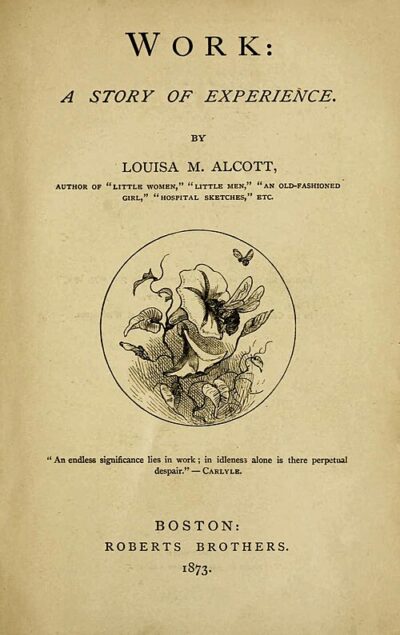
Work: A Story of Experience is a 1873 novel by Louisa May Alcott.
- Published
- 1873
- Written by
- Louisa May Alcott
- Genre
- autobiography
- Country of origin
- United States
All 6 facts, and where they come from
Facts
6 facts · 0 confirmed by two sources · 0 cited · 6 from one source
Where this comes from
Papalocal keeps its own record. It started from these sources; what each one said is kept here as it was copied, so a change on their side never changes this page by itself. Tap one to read its version.
What Wikidata says · copied November 16, 2026 · revision 2360205422
- Described as
- 1873 novel by Louisa May Alcott
- What it is
- literary work
- Written by
- Louisa May Alcott
- Genre
- autobiography
- Published
- 1873
- Language
- English
- Country of origin
- United States
- Wikipedias with a page
- 2
Wikidata item Q8034531 (wikidata.org/wiki/Q8034531), public domain (CC0). Copied 2026-11-16.
What Wikipedia says · copied November 16, 2026 · revision 1384288160
Work: A Story of Experience, originally serialized and first published in book form in 1873, is a semi-autobiographical novel by Louisa May Alcott, the author of Little Women. It is set in the times before and after the American Civil War. The protagonist, Christie Devon, leaves her home to make a living on her own. She goes from job to job, eventually marries, and becomes a social activist when her husband dies. Alcott wrote the book over the course of several years and based it in part on her own experiences as a young woman in the workforce. Following publication, contemporary critical reviews were mixed, with some reviewers praising the plot's execution and others criticizing it. The novel's themes include women's participation in the workforce, domesticity and equality, personal independence, social reform, and mental health.
From the Wikipedia article “Work: A Story of Experience” (en.wikipedia.org/wiki/Work:_A_Story_of_Experience), by its contributors, under CC BY-SA 4.0 (creativecommons.org/licenses/by-sa/4.0/). Copied 2026-11-16; not changed.
Confirmed Two sources agree. Cited One source, and it names where it got it. One source One source, without a reference of its own. Sources disagree The sources disagree. We show the best-supported value and keep theirs below.
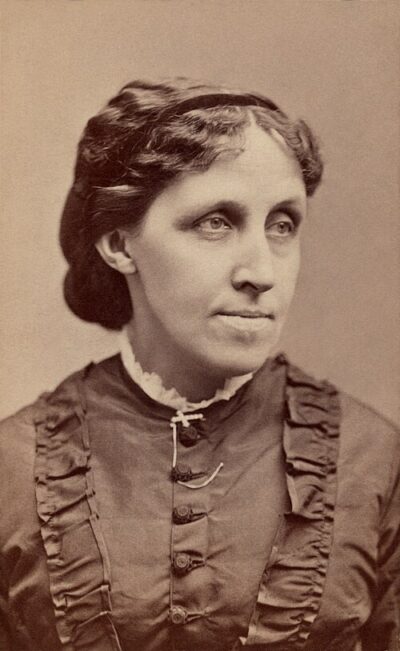
Picture: Alcott, via Wikimedia Commons · Public domain