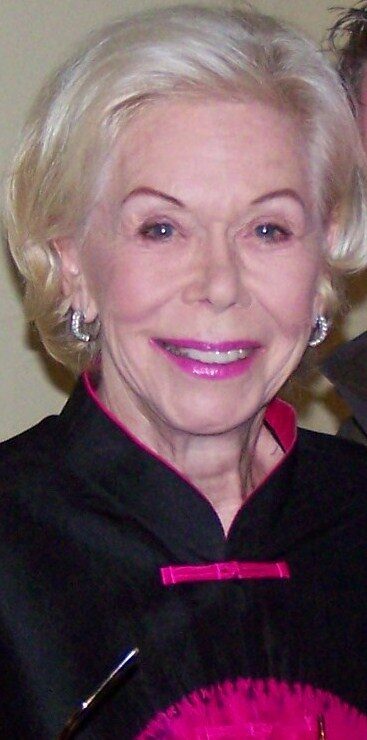
You Can Heal Your Life
You Can Heal Your Life is a book by Louise Hay. It came out in 1984.
- Published
- January 1, 1984
- Written by
- Louise Hay
- Genre
- self-help
- Country of origin
- United States
All 8 facts, and where they come from
Facts
8 facts · 0 confirmed by two sources · 0 cited · 8 from one source
Where this comes from
Papalocal keeps its own record. It started from these sources; what each one said is kept here as it was copied, so a change on their side never changes this page by itself. Tap one to read its version.
What Wikidata says · copied November 17, 2026 · revision 2534436645
- Described as
- book by Louise Hay
- What it is
- literary work
- Written by
- Louise Hay
- Publisher
- Hay House · 1 reference
- Genre
- self-help; spiritual literature
- Published
- January 1, 1984
- Language
- English
- Country of origin
- United States · 1 reference
- Wikipedias with a page
- 7
Wikidata item Q8057104 (wikidata.org/wiki/Q8057104), public domain (CC0). Copied 2026-11-17.
What Wikipedia says · copied November 17, 2026 · revision 1384317009
You Can Heal Your Life is a 1984 self-help and New Thought book by Louise Hay. It was the second book by the author, after Heal Your Body which she wrote at age 60. After Hay appeared on The Oprah Winfrey Show and Donahue in the same week in March 1988, the book appeared on the New York Times Best Seller list, and by 2008, over 35 million copies worldwide had been sold in over 30 languages, becoming one of the best-selling non-fiction book of all time. The book was also instrumental in the success of her publishing company, Hay House Inc. Due to the book, she is "one of the best-selling authors in history", and one of largest selling women authors, after J. K. Rowling, Danielle Steel and Barbara Cartland.
From the Wikipedia article “You Can Heal Your Life” (en.wikipedia.org/wiki/You_Can_Heal_Your_Life), by its contributors, under CC BY-SA 4.0 (creativecommons.org/licenses/by-sa/4.0/). Copied 2026-11-17; not changed.
Confirmed Two sources agree. Cited One source, and it names where it got it. One source One source, without a reference of its own. Sources disagree The sources disagree. We show the best-supported value and keep theirs below.