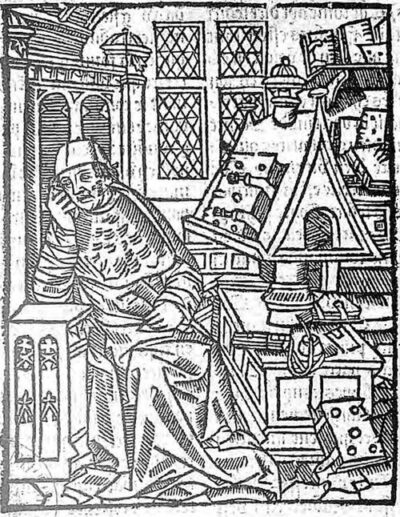
Yvain, the Knight of the Lion
Yvain, the Knight of the Lion is an Arthurian romance by Chrétien de Troyes. It came out in 1170.
- Published
- 1170
- Written by
- Chrétien de Troyes
- Genre
- chivalric novel
- Country of origin
- Kingdom of France
All 8 facts, and where they come from
Facts
8 facts · 0 confirmed by two sources · 0 cited · 8 from one source
Where this comes from
Papalocal keeps its own record. It started from these sources; what each one said is kept here as it was copied, so a change on their side never changes this page by itself. Tap one to read its version.
What Wikidata says · copied November 17, 2026 · revision 2532266582
- Described as
- Arthurian romance by Chrétien de Troyes
- What it is
- literary work
- Written by
- Chrétien de Troyes
- Genre
- chivalric novel
- Published
- 1170
- Language
- Old French
- Country of origin
- Kingdom of France
- Comes after
- Lancelot, the Knight of the Cart
- Followed by
- Perceval, the Story of the Grail
- Wikipedias with a page
- 24
Wikidata item Q1928169 (wikidata.org/wiki/Q1928169), public domain (CC0). Copied 2026-11-17.
What Wikipedia says · copied November 17, 2026 · revision 1374632222
Yvain, the Knight of the Lion (French: Yvain ou le Chevalier au Lion) is an Arthurian romance by French poet Chrétien de Troyes. It was written c. 1180 simultaneously with Lancelot, the Knight of the Cart, and includes several references to the narrative of that poem. It is a story of knight-errantry, in which the protagonist Yvain (Ywain) is first rejected by his wife for breaking a very important promise, and subsequently performs a number of heroic deeds in order to regain her favour. The poem has been adapted into several other medieval works, including the German Iwein and the Welsh Owain.
From the Wikipedia article “Yvain, the Knight of the Lion” (en.wikipedia.org/wiki/Yvain,_the_Knight_of_the_Lion), by its contributors, under CC BY-SA 4.0 (creativecommons.org/licenses/by-sa/4.0/). Copied 2026-11-17; not changed.
Confirmed Two sources agree. Cited One source, and it names where it got it. One source One source, without a reference of its own. Sources disagree The sources disagree. We show the best-supported value and keep theirs below.
Picture: Wikimedia Commons: Iwein Rodenegg.jpg · See Commons file page