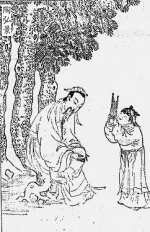
Zhengao
Zhengao is a Tao Hongjing’s collection of poetry and prose from the Shangqing revelations, supposedly given to Yang Xi by Perfected Ones from 364 to 370.
- Written by
- Tao Hongjing
- Genre
- religious text
All 6 facts, and where they come from
Facts
6 facts · 0 confirmed by two sources · 0 cited · 6 from one source
Where this comes from
Papalocal keeps its own record. It started from these sources; what each one said is kept here as it was copied, so a change on their side never changes this page by itself. Tap one to read its version.
What Wikidata says · copied November 18, 2026 · revision 2550192986
- Described as
- Tao Hongjing’s collection of poetry and prose from the Shangqing revelations, supposedly given to Yang Xi by Perfected Ones from 364 to 370
- Other names
- Declarations of the Perfected, Declarations of Perfected Immortals, Proclamations of the Perfected, Pronouncements of the Perfected, Authentic Declarations, The Proclamation of the Perfect, True Reports, Proclamations des Authentiques, Zhen'gao, Chen-kao, Zhen Gao
- What it is
- religious text; literary work
- Written by
- Tao Hongjing
- Genre
- religious text; Taoist literature
- Language
- Classical Chinese
- Wikipedias with a page
- 8
Wikidata item Q197669 (wikidata.org/wiki/Q197669), public domain (CC0). Copied 2026-11-18.
What Wikipedia says · copied November 18, 2026 · revision 1361430106
The Zhengao (真誥, Declarations of the Perfected) written in 499 CE is the Shangqing Daoist patriarch Tao Hongjing's comprehensive collection of poetry and prose from the original "Shangqing revelations", which were supposedly given to the mystic Yang Xi by a group of Daoist zhenren Perfected Ones from 364 to 370. This classic text has long been famous both as a foundational text of religious Daoism and as a brilliant exemplar of medieval Chinese poetry.
From the Wikipedia article “Zhengao” (en.wikipedia.org/wiki/Zhengao), by its contributors, under CC BY-SA 4.0 (creativecommons.org/licenses/by-sa/4.0/). Copied 2026-11-18; not changed.
Confirmed Two sources agree. Cited One source, and it names where it got it. One source One source, without a reference of its own. Sources disagree The sources disagree. We show the best-supported value and keep theirs below.
Picture: Wikimedia Commons: 真誥-seal.svg · See Commons file page