
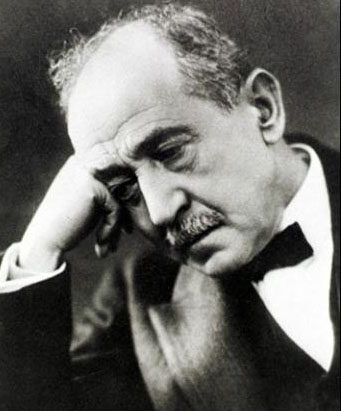
Ahmed Shawqi
Ahmed Shawqi was an Egyptian poet. Born December 25, 1868, in Cairo. Died October 14, 1932, in Cairo. Known for Al-Shawqiyt and Aswāq al-dhahab. Educated at University of Montpellier and University of Paris.
Facts
17 facts · 2 confirmed by two sources · 4 cited · 11 from one source
What’s different
- Died: we show October 14, 1932 (Confirmed). Wikidata also lists 1932
Where this comes from
Papalocal keeps its own record. It started from these sources; what each one said is kept here as it was copied, so a change on their side never changes this page by itself. Tap one to read its version.
What Wikidata says · copied November 16, 2026 · revision 2562425743
- Described as
- Egyptian poet (1868–1932)
- Other names
- Amir al-Sho'araã, Ahmad Shauqi, أمير الشعراء
- Born
- December 25, 1868 · 12 references
- Died
- October 14, 1932 · 1 reference; 1932 · 1 reference
- Born in
- Cairo
- Died in
- Cairo
- Citizen of
- Egypt
- Occupation
- playwright; poet · 2 references; linguist; translator; writer · 2 references; interpreter · 1 reference; politician · 1 reference
- Education
- University of Montpellier; University of Paris
- Member of
- Arab Academy of Damascus
- Known for
- Al-Shawqiyt; Aswāq al-dhahab
- Wikipedias with a page
- 40
Wikidata item Q401491 (wikidata.org/wiki/Q401491), public domain (CC0). Copied November 16, 2026.
What Wikipedia says · copied November 16, 2026 · revision 1382380054
Ahmed Shawqi (Arabic: أحمد شوقي, ALA-LC: Aḥmad Shawqī, Egyptian Arabic pronunciation: [ˈʔæħmæd ˈʃæwʔi]; 1868–1932), nicknamed the Prince of Poets (Arabic: أمير الشعراء Amīr al-Shu‘arā’), was an Egyptian poet laureate, linguist, and one of the most famous Arabic literary writers of the modern era in the Arab World.
- Born, in its opening lines
- 1868
- Died, in its opening lines
- 1932
From the Wikipedia article “Ahmed Shawqi” (en.wikipedia.org/wiki/Ahmed_Shawqi), by its contributors, under CC BY-SA 4.0 (creativecommons.org/licenses/by-sa/4.0/). Copied November 16, 2026; not changed.
Confirmed Two sources agree. Cited One source, and it names where it got it. One source One source, without a reference of its own. Sources disagree The sources disagree. We show the best-supported value and keep theirs below.
