
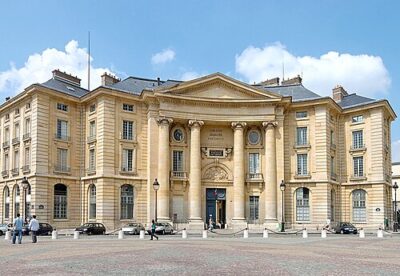
University of Paris
The University of Paris is a French university (1896–1970).
All 11 facts, and where they come from
Facts
11 facts · 0 confirmed by two sources · 0 cited · 10 from one source · 1 where the sources disagree
What’s different
- Ended: we show January 1, 1971 (Sources disagree). Wikidata also lists 1970
Where this comes from
Papalocal keeps its own record. It started from these sources; what each one said is kept here as it was copied, so a change on their side never changes this page by itself. Tap one to read its version.
What Wikidata says · copied November 16, 2026 · revision 2560070998
- Described as
- French university (1896–1970)
- Other names
- Sorbonne, University of Paris (1896-1970), La Sorbonne, Université de Paris (1896-1970)
- What it is
- former entity; university in France; academic institution
- Comes after
- University of Paris
- Founded
- 1896
- Ended
- January 1, 1971; 1970
- Headquarters
- Paris
- Located in
- Paris
- Country
- France
- Named after
- Paris; Robert de Sorbon
- Wikipedias with a page
- 87
Wikidata item Q209842 (wikidata.org/wiki/Q209842), public domain (CC0). Copied 2026-11-16.
What Wikipedia says · copied November 16, 2026 · revision 1370731122
The University of Paris (French: Université de Paris, pronounced [ynivɛʁsite də paʁi]) was the leading university in Paris, France, from 1150 to 1970, except for 1793–1806 during the French Revolution. Emerging around 1150 as a corporation associated with the cathedral school of Paris, it was considered the second-oldest university in Europe. Officially chartered in 1200 by King Philip II and recognised in 1215 by Pope Innocent III, it was nicknamed after its theological College of Sorbonne, founded by Robert de Sorbon and chartered by King Louis IX around 1257.
Highly reputed internationally for its academic performance in the humanities ever since the Middle Ages – particularly in theology and philosophy – it introduced academic standards and traditions that have endured and spread, such as doctoral degrees and student nations. Notable popes, royalty, scientists, and intellectuals were educated at the University of Paris. A few of the colleges of the time are still visible close to the Panthéon and Jardin du Luxembourg: Collège des Bernardins (18 rue de Poissy, 5th arr.), Hôtel de Cluny (6 Place Paul Painlevé, 5th arr.), Collège Sainte-Barbe (4 rue Valette, 5th arr.), Collège d'Harcourt (44 Boulevard Saint-Michel, 6th arr.), and Cordeliers (21 rue École de Médecine, 6th arr.).
In 1793, during the French Revolution, the university was closed and, by Item 27 of the Revolutionary Convention, the college endowments and buildings were sold. A new University of France replaced it in 1806 with four independent faculties: the Faculty of Humanities (French: Faculté des Lettres), the Faculty of Law (later including Economics), the Faculty of Science, the Faculty of Medicine and the Faculty of Theology (closed in 1885).
In 1896, a new University of Paris was re-founded as a grouping of the Paris faculties of science, literature, law, medicine, Protestant theology and the École supérieure de pharmacie de Paris. It was inaugurated on November 19, 1896, by French president Félix Faure. In 1970, after the civil unrest of May 1968, the university was divided into 13 autonomous universities, which today are Sorbonne University, Panthéon-Sorbonne University, Assas University, Sorbonne Nouvelle University, Paris Cité University, PSL University, Saclay University, Nanterre University, Sorbonne Paris North University, Paris-East Créteil University and Paris 8 University. The Chancellery of the Universities of Paris inherited the heritage assets of the University of Paris, including the Sorbonne building, the "La Sorbonne" brand, control of the inter-university libraries, and management of the staff of the Paris universities (until 2007).
From the Wikipedia article “University of Paris” (en.wikipedia.org/wiki/University_of_Paris), by its contributors, under CC BY-SA 4.0 (creativecommons.org/licenses/by-sa/4.0/). Copied 2026-11-16; not changed.
Confirmed Two sources agree. Cited One source, and it names where it got it. One source One source, without a reference of its own. Sources disagree The sources disagree. We show the best-supported value and keep theirs below.
Picture: Marie-Lan Nguyen, via Wikimedia Commons · Public domain
People connected 532
Studied here 429
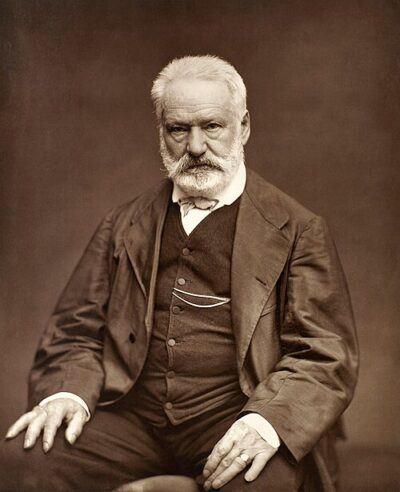 Victor HugoFrench novelist, poet, dramatist and politician (1802–1885)
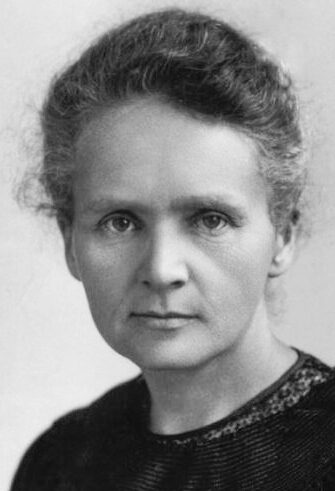 Marie Curie (1891–1894)Polish-born French physicist and chemist (1867–1934)
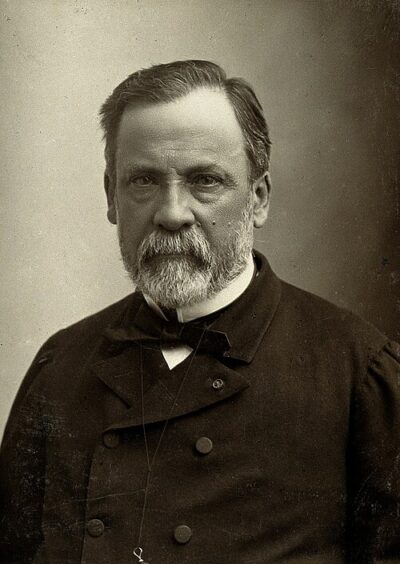 Louis PasteurFrench chemist and microbiologist (1822–1895)
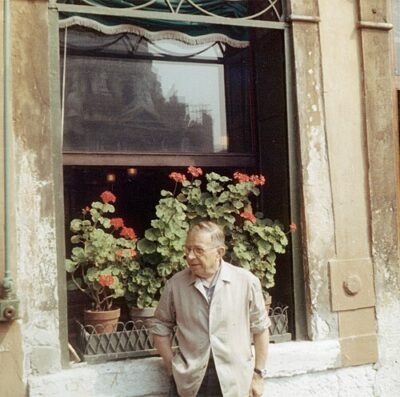 Jean-Paul SartreFrench existentialist philosopher (1905–1980)
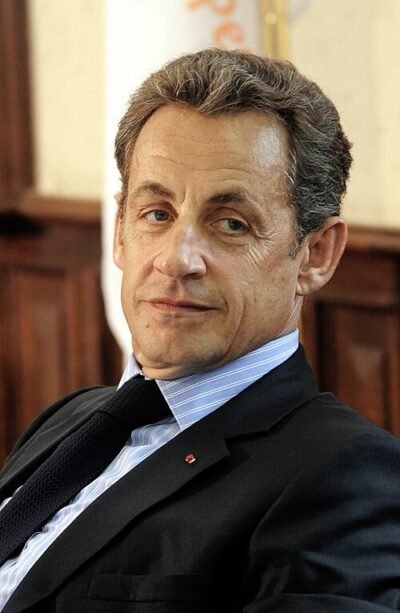 Nicolas Sarkozy23rd president of the French Republic from 2007 to 2012
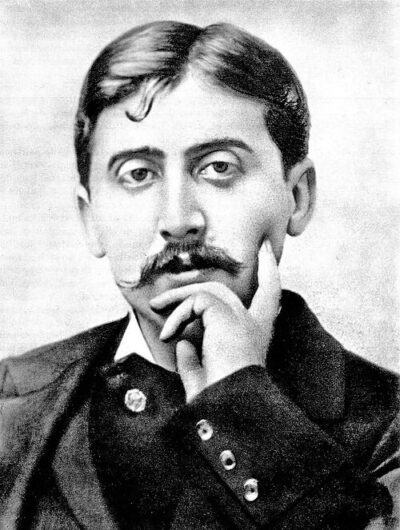 Marcel ProustFrench novelist, critic and essayist (1871–1922)
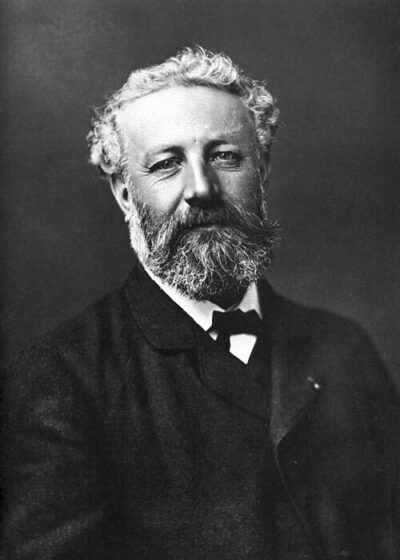 Jules Verne (1847–1848)French writer (1828–1905)
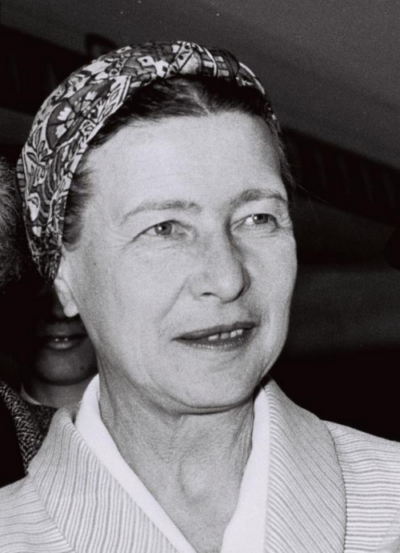 Simone de BeauvoirFrench philosopher, social theorist and activist (1908–1986)
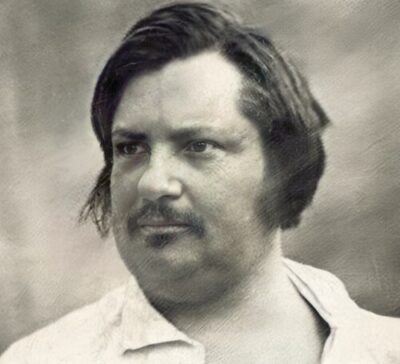 Honoré de Balzac (1816–)French novelist and playwright (1799–1850)
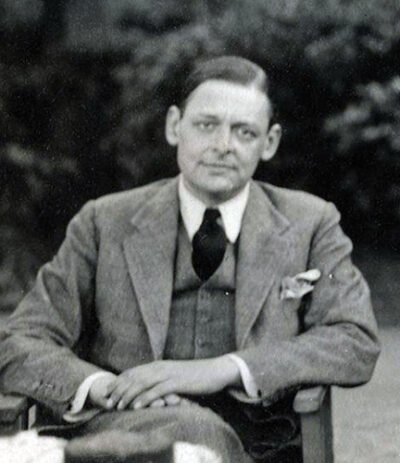 T. S. EliotUS-British poet (1888–1965)
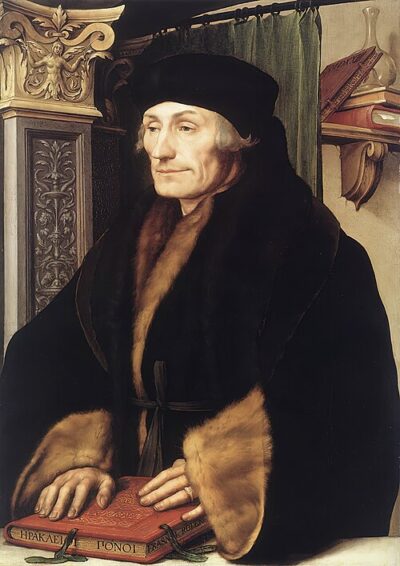 Erasmus (1495–)Dutch Renaissance humanist, Catholic priest, and theologian (1466-1536)
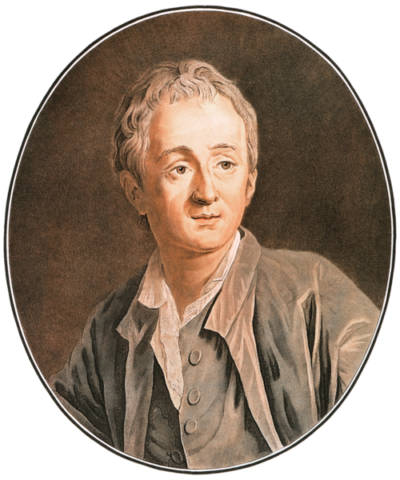 Denis Diderot (–1732)French Enlightenment philosopher writer and encyclopædist (1713–1784)
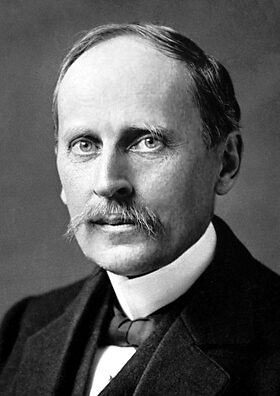 Romain RollandFrench author (1866-1944)
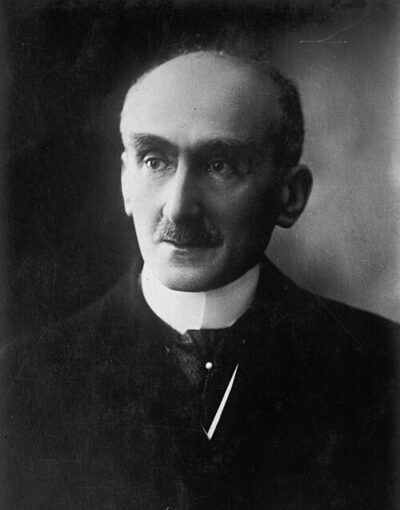 Henri BergsonFrench philosopher (1859–1941)
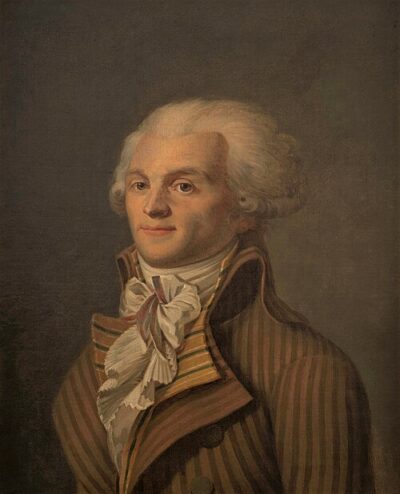 Maximilien RobespierreFrench revolutionary lawyer and politician (1758–1794)
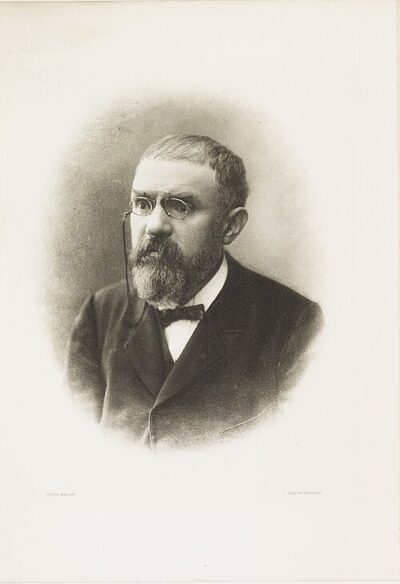 Henri Poincaré (–1879)French mathematician, physicist and engineer (1854–1912)
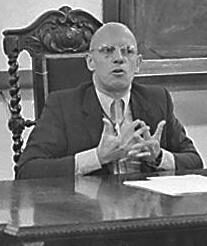 Michel FoucaultFrench philosopher (1926–1984)
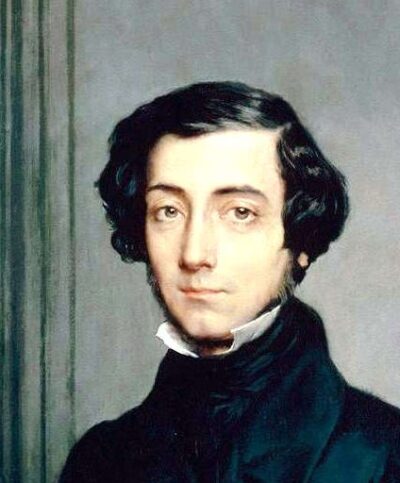 Alexis de TocquevilleFrench political thinker and historian, minister of Foreign Affairs (1805-1859)
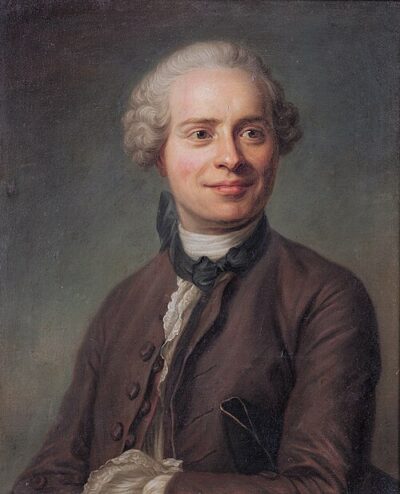 Jean Le Rond d'Alembert (–1738)French mathematician, mechanician, physicist, philosopher and music theorist (1717-1783)
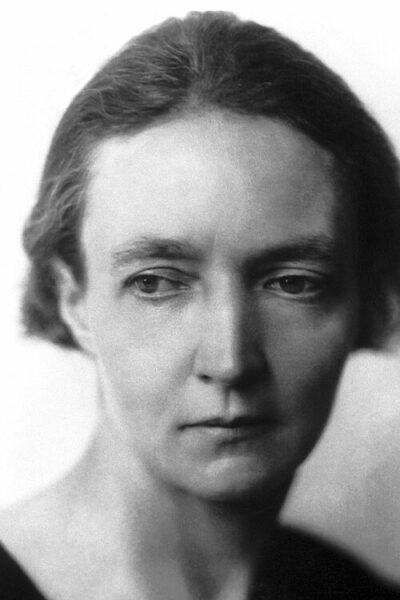 Irène Joliot-CurieFrench chemist and physicist (1897–1956)
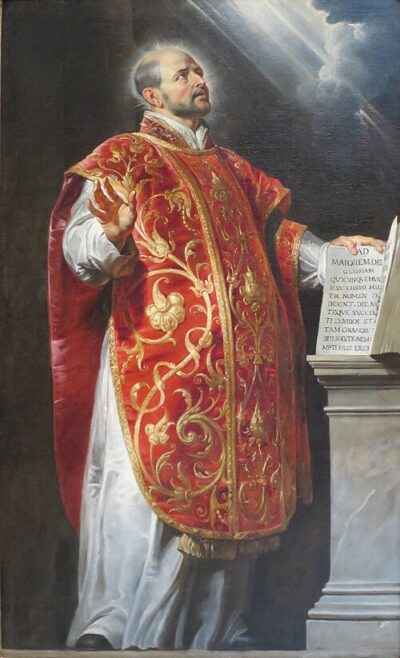 Ignatius of Loyola (1528–1535)Spanish Basque Catholic priest, theologian and saint (1491–1556), co-founder and first superior general of the Society of Jesus (1541–1556) and author of the Spiritual Exercises
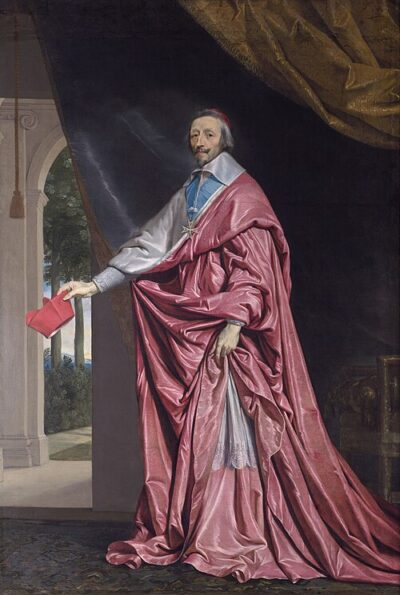 Armand-Jean du Plessis, duc de RichelieuFrench clergyman, cardinal, noble and statesman (1585-1642)
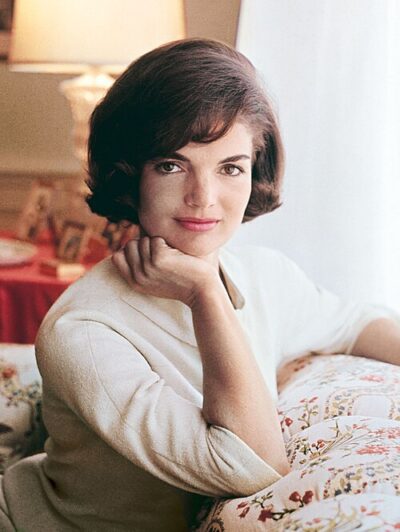 Jacqueline Kennedy OnassisFirst Lady of the United States from 1961 to 1963
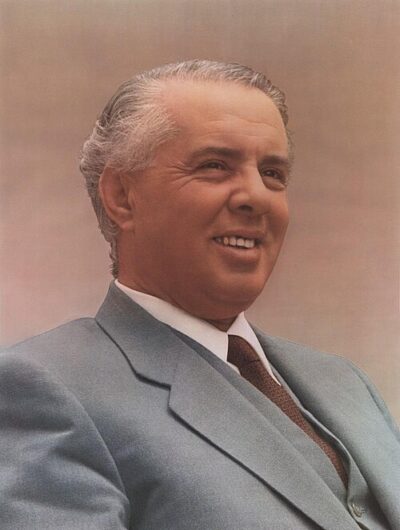 Enver Hoxhaformer First Secretary of the Party of Labour of Albania, Prime Minister of Albania
and 405 more
Worked here 153
- Marie CuriePolish-born French physicist and chemist (1867–1934)
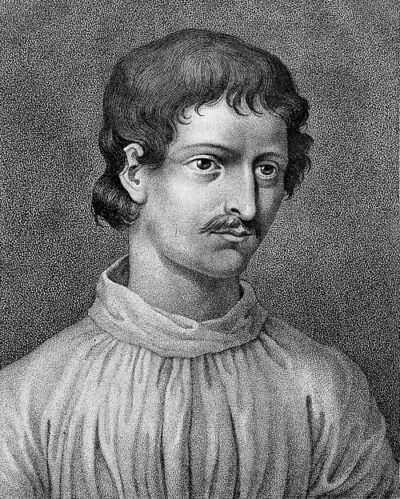 Giordano Bruno (1581–1583)Italian Dominican friar, philosopher and mathematician (1548–1600)
- Romain RollandFrench author (1866-1944)
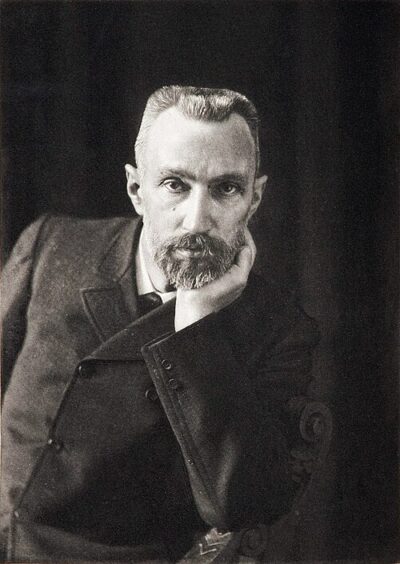 Pierre CurieFrench physicist and chemist (1859–1906)
- Henri Poincaré (1881–1912)French mathematician, physicist and engineer (1854–1912)
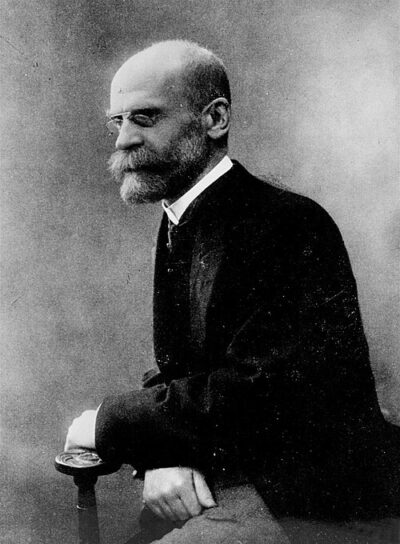 Émile Durkheim (1902–)French sociologist (1858–1917)
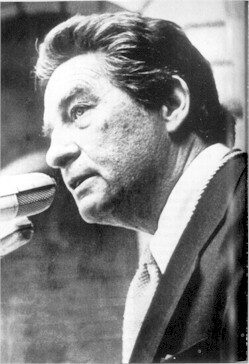 Octavio PazMexican writer, poet an diplomat (1914–1998)
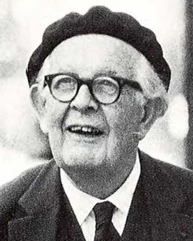 Jean PiagetSwiss psychologist, biologist, logician, philosopher and academic (1896–1980)
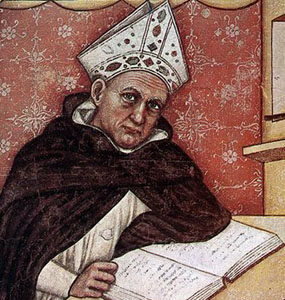 Albertus Magnus (1243)German-Dominican friar and saint (c. 1200–1280)
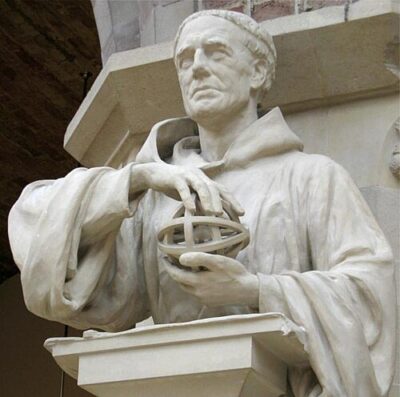 Roger BaconEnglish polymath, philosopher and friar (c.1219/20–c.1292)
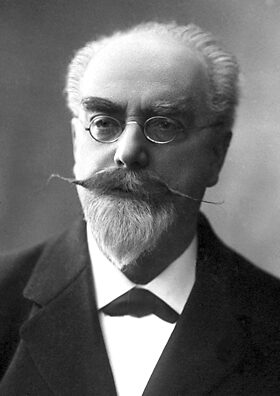 Gabriel LippmannLuxembourgish physicist nationalized French (1845-1921)
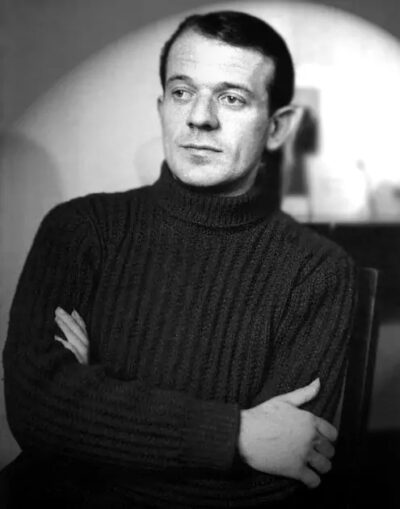 Gilles DeleuzeFrench philosopher (1925–1995)
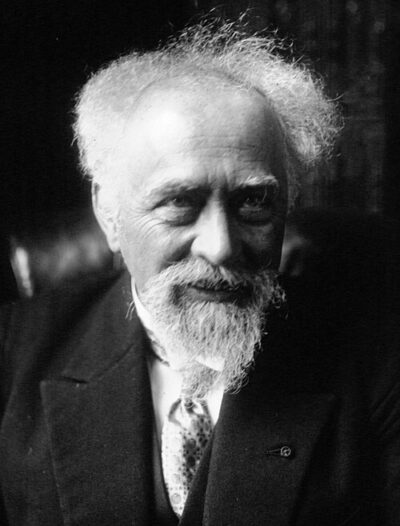 Jean-Baptiste PerrinFrench physicist (1870–1942)
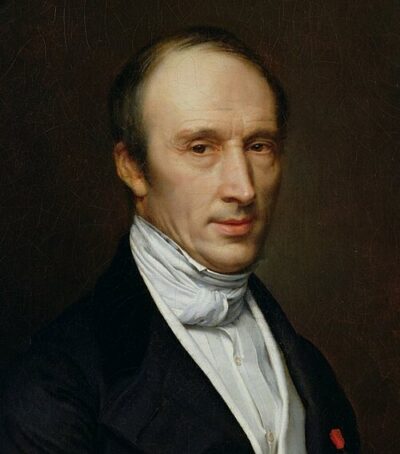 Augustin-Louis Cauchy (1849–1857)French mathematician (1789–1857)
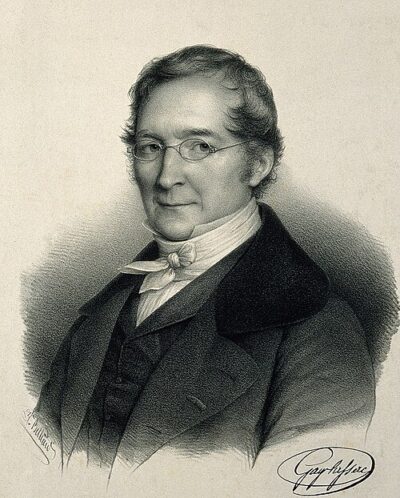 Joseph Louis Gay-LussacFrench chemist and physicist (1778–1850)
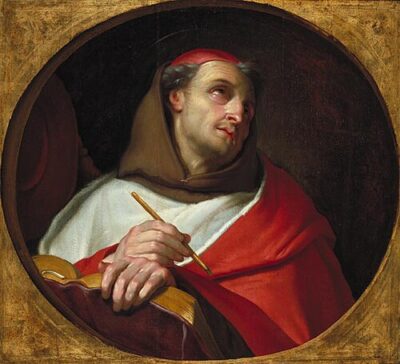 BonaventureFranciscan, bishop, cardinal, Doctor of the Church, Catholic saint (1221–1274)
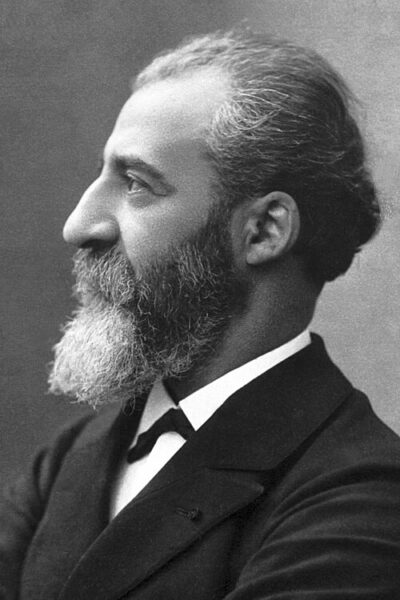 Henri MoissanFrench chemist (1852–1907)
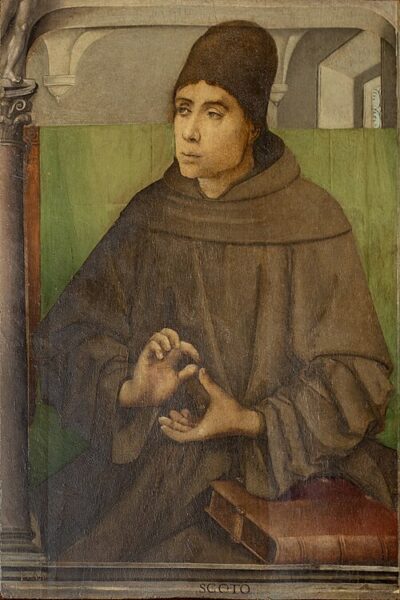 John Duns Scotuspriest, friar, philosopher, theologian, college teacher
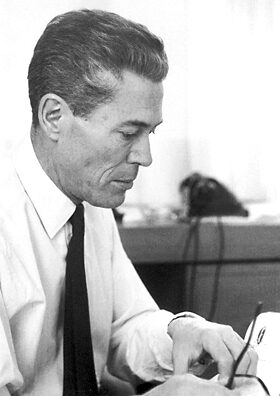 Jacques MonodFrench biologist and biochemist, Nobel laureate (1910-1976)
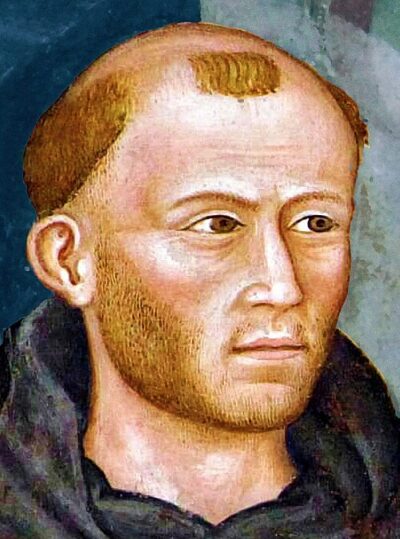 Meister EckhartGerman philosopher and theologian
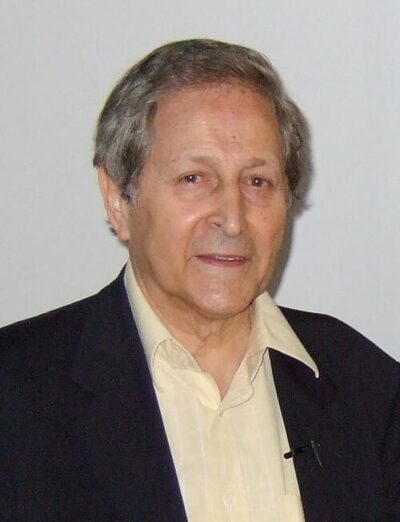 Claude Cohen-TannoudjiFrench physicist and Nobel laureate (1933–2026)
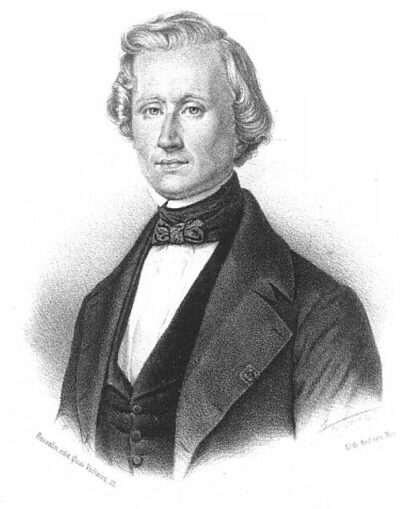 Urbain Le Verrier (1847–1854)French astronomer (1811-1877)
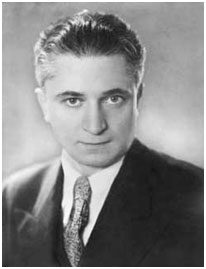 Fernand BraudelFrench historian and leader of the Annales School
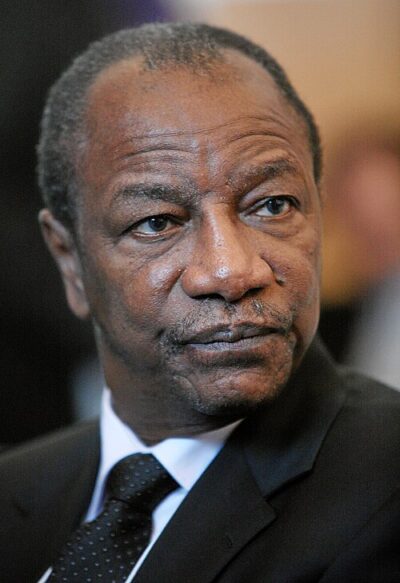 Alpha CondéPresident of Guinea from 2010 to 2021
and 129 more
