
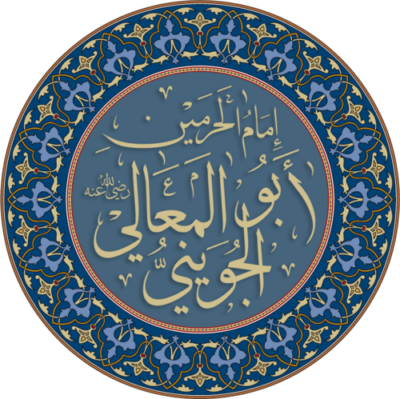
Al-Juwayni
Al-Juwayni was a Muslim scholar and theologian. Born February 17, 1028, in Nishapur. Died August 20, 1085, in Nishapur. Known for The End of the Quest in the Knowledge of the Shafi'i School, al-Shāmil fī uṣūl al-dīn and Al-Irshad Ila Qawati Al-Adilla Fi Usul Ati Tiqad.
Facts
24 facts · 2 confirmed by two sources · 10 cited · 12 from one source
Where this comes from
Papalocal keeps its own record. It started from these sources; what each one said is kept here as it was copied, so a change on their side never changes this page by itself. Tap one to read its version.
What Wikidata says · copied November 17, 2026 · revision 2559080439
- Described as
- Muslim scholar and theologian (1028–1085)
- Other names
- Abu al-Maali al- Juwayni, Dhia' ul-Dīn 'Abd al-Malik ibn Yūsuf al-Juwaynī al-Shafi'ī, ʻAbd al-Malik ibn ʻAbd Allāh Imām al-Ḥaramayn al-Juwaynī,
- Born
- February 17, 1028 · 3 references
- Died
- August 20, 1085 · 3 references
- Born in
- Nishapur · 2 references
- Died in
- Nishapur · 1 reference
- Citizen of
- Abbasid Caliphate; Seljuk Empire
- Occupation
- Islamic jurist · 1 reference; scientist; theologian · 1 reference; Qur'anic exegete · 1 reference; historian · 1 reference; literary scholar · 1 reference
- Worked for
- Nizamiyya of Baghdad
- Known for
- The End of the Quest in the Knowledge of the Shafi'i School · 1 reference; al-Shāmil fī uṣūl al-dīn; Al-Irshad Ila Qawati Al-Adilla Fi Usul Ati Tiqad; Luma' al-Adilla fi Qawa'id 'Aqa'id Ahl al-Sunna; Kitab al-waraqat fi usul al-fiqh · 1 reference; Al-Burhan fi Usul al-Fiqh
- Field
- fiqh; Ilm al-Kalam
- Father
- Juwaynī, ʻAbd Allāh ibn Yūsuf · 1 reference
- Religion
- Islam; Sunni Islam
- Wikipedias with a page
- 25
Wikidata item Q2584074 (wikidata.org/wiki/Q2584074), public domain (CC0). Copied November 17, 2026.
What Wikipedia says · copied November 17, 2026 · revision 1380890323
Dhia' ul-Dīn 'Abd al-Malik ibn Yūsuf al-Juwaynī al-Shafi'ī (Arabic إمام الحرمين ضياء الدين عبدالملك بن يوسف الجويني, 17 February 1028 – 20 August 1085; 419–478 AH) was a Sunni Muslim scholar famous for being the foremost leading jurisconsult, legal theoretician and Islamic theologian of his time. His name is commonly abbreviated as al-Juwayni; he is also commonly referred to as Imam al-Haramayn meaning "leading master of the two holy cities", that is, Mecca and Medina. He acquired the status of a mujtahid in the field of fiqh and usul al-fiqh. Highly celebrated as one of the most important and influential thinkers in the Shafi'i school of orthodox Sunni jurisprudence, he was considered as the virtual second founder of the Shafi'i school, after its first founder Imam al-Shafi'i. He was also considered a major figurehead within the Ash'ari school of theology where he was ranked equal to the founder, Imam al-Ash'ari. He was given the honorific titles of Shaykh of Islam, The Glory of Islam, The Absolute Imam of all Imams.
- Born, in its opening lines
- February 17, 1028
- Died, in its opening lines
- August 20, 1085
From the Wikipedia article “Al-Juwayni” (en.wikipedia.org/wiki/Al-Juwayni), by its contributors, under CC BY-SA 4.0 (creativecommons.org/licenses/by-sa/4.0/). Copied November 17, 2026; not changed.
Confirmed Two sources agree. Cited One source, and it names where it got it. One source One source, without a reference of its own. Sources disagree The sources disagree. We show the best-supported value and keep theirs below.
