
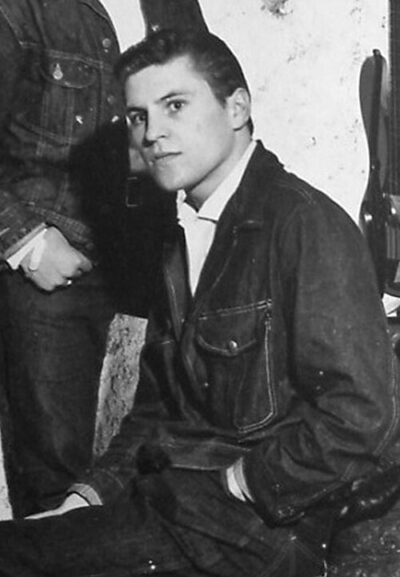
Alan Price is an English musician. Born April 19, 1942, in Fatfield.
Facts
21 facts · 1 confirmed by two sources · 2 cited · 18 from one source
Where this comes from
Papalocal keeps its own record. It started from these sources; what each one said is kept here as it was copied, so a change on their side never changes this page by itself. Tap one to read its version.
What Wikidata says · copied November 17, 2026 · revision 2536194937
- Described as
- English musician
- Born
- April 19, 1942
- Born in
- Fatfield · 1 reference
- Citizen of
- United Kingdom
- Occupation
- composer · 1 reference; singer-songwriter; singer; pianist; film score composer; film actor; keyboardist; music arranger
- Member of
- Alan Price Set; The Animals · 1 reference
- Genre
- rock music
- Instrument
- organ; piano; voice
- Record label
- Warner Bros. Records; Decca; Deram
- Website
- https://alanpricecouk.wordpress.com
- Wikipedias with a page
- 25
Wikidata item Q510991 (wikidata.org/wiki/Q510991), public domain (CC0). Copied November 17, 2026.
What Wikipedia says · copied November 17, 2026 · revision 1385966611
Alan Price (born 19 April 1942) is an English musician who first found prominence as the original keyboardist of the English rock band the Animals. He left the band in 1965 to form the Alan Price Set; his hit singles with and without the group include "Simon Smith and the Amazing Dancing Bear", "The House That Jack Built", "Rosetta" (with Georgie Fame) and "Jarrow Song". Price is also known for work in film and television, taking occasional acting roles and composing the soundtrack of Lindsay Anderson's film O Lucky Man! (1973). He was inducted into the Rock and Roll Hall of Fame in 1994 as a member of the Animals.
- Born, in its opening lines
- April 19, 1942
From the Wikipedia article “Alan Price” (en.wikipedia.org/wiki/Alan_Price), by its contributors, under CC BY-SA 4.0 (creativecommons.org/licenses/by-sa/4.0/). Copied November 17, 2026; not changed.
Confirmed Two sources agree. Cited One source, and it names where it got it. One source One source, without a reference of its own. Sources disagree The sources disagree. We show the best-supported value and keep theirs below.
